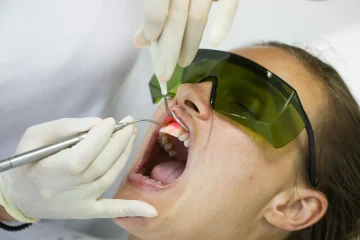
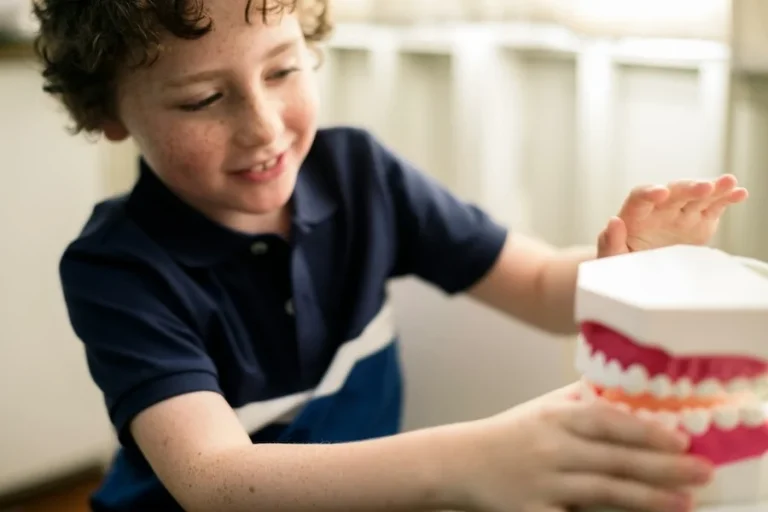
Life as a busy parent can sometimes feel overwhelming. You juggle countless responsibilities, leaving little time for important things like dental care. Yet, keeping your family’s dental health in check is crucial. You can’t always make it to the dentist, and when you do, you want it to count. That’s why knowing a few quick home dental check techniques can be a lifesaver. In just a few minutes, you can assess your family’s dental needs. This way, when you visit your dentist, perhaps for New Smyrna Beach same day crowns, you’re informed and prepared. These simple checks can help you spot issues early. This means better oral health and fewer dental emergencies. So take a moment to learn these techniques. Your family’s smiles deserve it, and so does your peace of mind. Prioritizing their dental health is easier than you think. Let’s get started.
Technique 1: Inspect Gums and Teeth
First, check the gums and teeth thoroughly. Look for redness, swelling, or bleeding. These signs often indicate gum disease. Healthy gums should be pink and firm. If you notice any dark spots or cracks on the teeth, it could mean cavities or other issues.
Use a small flashlight to get a clear view. Make sure you examine the back teeth, as they are more prone to cavities. Encourage your child to participate in this check. It can be a valuable learning experience for them. The Centers for Disease Control and Prevention provides more information on signs of oral health issues that you should watch for.
Technique 2: Test Sensitivity
To test for sensitivity, have your child eat something cold or hot. Notice if they feel any discomfort. Sensitivity can be a sign of worn enamel or exposed roots. Addressing sensitivity early can prevent further damage. If your child complains of pain, schedule a dentist appointment promptly.
Discussing dental sensitivity with your children helps them communicate any issues they experience. You can find detailed guidance on managing dental sensitivity from resources like the National Institute of Dental and Craniofacial Research.
Technique 3: Check the Tongue
The tongue can reveal a lot about dental health. A white or yellow coating might suggest oral thrush or poor oral hygiene. Ensure your family’s oral care routine includes brushing the tongue. This practice is simple and beneficial.
Ask your kids to stick out their tongue and say “Ah!” This fun approach makes the process easier. If you see persistent discoloration or patches, consult your dentist. Regular tongue checks prevent potential issues and promote overall oral hygiene.
Comparison Table: Signs of Healthy vs. Unhealthy Oral Conditions
| Healthy Condition | Unhealthy Condition |
|---|---|
| Pink, firm gums | Red, swollen gums |
| No sensitivity | Discomfort with hot or cold |
| Clean tongue | White or yellow coating |
| No dark spots on teeth | Visible cavities or cracks |
Consistent Dental Care Routine
Maintaining a consistent routine helps prevent dental issues. Ensure your family brushes twice a day and flosses daily. Use fluoride toothpaste to strengthen enamel. Encourage regular dental visits for professional cleanings.
Establish good habits early. Children who learn proper oral care practices stay healthier as they grow. Make dental care a family activity. Lead by example, and your children will follow.
Conclusion: Prioritize Dental Health
Implementing these simple home checks can make a significant difference. Staying informed empowers you to address dental issues early. You can enjoy peace of mind knowing your family maintains good oral health.
Busy schedules shouldn’t compromise your family’s smiles. Take just a few minutes to perform these checks regularly. Your diligence will pay off with healthier teeth and gums. Remember, when you visit the dentist, you’ll be more aware of your oral health needs. This knowledge ensures that your trips to the dentist are efficient and effective. Your family deserves a lifetime of healthy smiles.