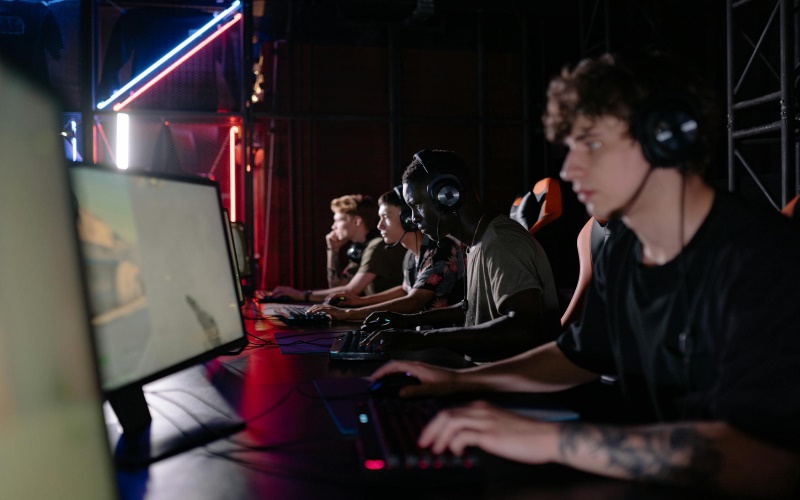

Here’s something I didn’t expect when I first started playing poker: it made me way better at English. Seriously. What began as casual card games with friends turned into this weird vocabulary boot camp I never signed up for.
Poker isn’t just about cards and chips. It’s packed with strategic thinking and some pretty colorful language that’ll stretch your English skills in ways you won’t see coming.
1. You Learn Words by Actually Using Them
When you jump into poker, you’re hit with terms like “flop,” “turn,” “river,” “bluff,” and “ante.” But here’s the thing – you don’t just memorize these words. You use them. Constantly.
I remember the first time someone told me to “check the river.” I had no clue what they meant, but within a few hands, it clicked. That’s context learning at work, and it sticks way better than cramming vocabulary lists.
If you’re playing on online poker platforms, you get even more exposure. The chat boxes are gold mines of poker slang and strategy talk. Players don’t hold back – they’ll use terms you’ve never heard before, and you’ll pick them up fast.
2. Real Conversations, Real Stakes
Playing poker means talking to real people in real time. No textbook scenarios here. When someone’s bluffing and you need to call them out, or when you’re explaining your strategy, you’re using English under pressure.
My advice? Jump in. Ask questions when you don’t understand something. Keep a notepad handy for new terms. The conversations flow naturally because everyone’s focused on the game, not on perfect grammar.
It’s like having a language exchange program, except everyone’s trying to take your money.
3. Your Brain Gets a Workout
Poker forces you to think several moves ahead. What’s this player really saying? Are they being aggressive or just posturing?
This constant analysis sharpens how you process language overall. When you’re figuring out whether someone’s “raising” aggressively or just “calling” to stay safe, you’re reading between the lines. These skills transfer to everyday English conversations more than you’d think.
4. Idioms That Actually Make Sense
Ever wonder where poker face comes from? Or “ace in the hole”? Playing poker makes these phrases click in a way that dictionary definitions never could.
I use “poker face” all the time now – at work, with friends, even with my family. And because I learned it at an actual poker table, I know exactly when and how to use it.
Watch a few poker tournaments on TV. You’ll hear these expressions used naturally, not forced into conversations like they are in language textbooks.
5. Confidence Builds Fast
There’s something satisfying about mastering poker vocabulary. When you can follow complex strategy discussions or explain your own plays clearly, it feels good. That confidence spills over into other conversations.
I’ve noticed I speak up more in meetings now. I’m more comfortable with English idioms in casual conversation. It’s not just about knowing the words – it’s about feeling like you belong in the conversation.
The Bottom Line
Learning poker vocabulary won’t just make you a better player. It’ll genuinely improve your English in ways that feel natural and fun. Whether you’re exploring online poker or just watching games with friends, pay attention to the language.
The words you learn at a poker table will serve you well beyond the game. Plus, you might win some money along the way.
So grab a seat at the table. Your English skills will thank you for it.