
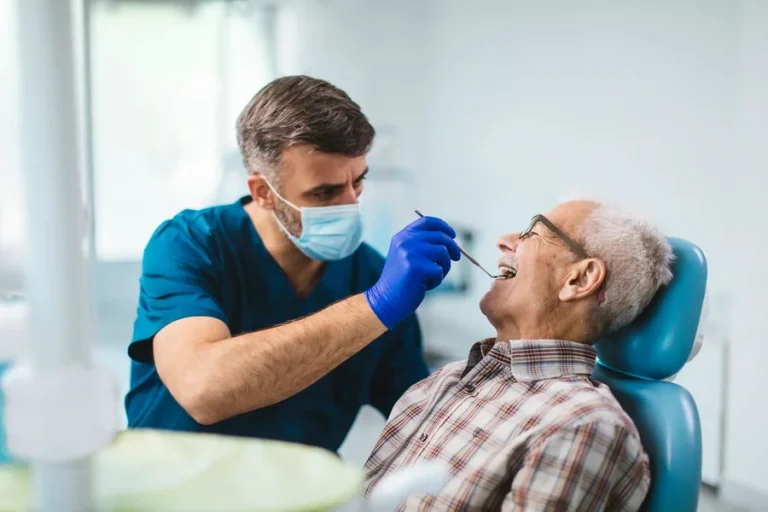
A healthy smile affects how you speak, eat, and connect with people at every age. Childhood cavities, adult staining, and tooth loss later in life can all crush your confidence. You might avoid photos. You might hide your teeth when you laugh. A dentist in Arlington, VA can use cosmetic dentistry to correct chipped teeth, gaps, stains, and worn edges in ways that match your stage of life. Each option respects your budget, your time, and your health history. Some treatments are quick. Others need planning. All should feel safe and clear. This guide walks through six cosmetic dentistry solutions that support children, adults, and older patients. You will see what each option does, how it helps, and when it makes sense. You deserve a smile that feels strong, honest, and comfortable.
1. Professional Teeth Whitening
Stains from coffee, tea, smoking, or certain medicines can change how you feel about your teeth. Professional whitening removes many surface stains and lightens deeper discoloration in a controlled way.
Whitening can support you at any age.
- Teens and young adults may want a brighter smile for school photos or first jobs
- Parents may seek whitening after years of coffee and stress
- Older adults may want to match whitening with new fillings or crowns
In office whitening uses stronger products and close monitoring. At home trays from your dentist use lower strength gel with custom fit. According to the National Institute of Dental and Craniofacial Research, enamel is strong but can wear over time. Careful whitening protects that enamel while improving color.
2. Tooth Colored Bonding
Bonding uses tooth colored resin to repair small flaws. Your dentist shapes the material and hardens it with light. The result blends with your natural tooth.
Bonding works well for:
- Small chips from sports or accidents in children and teens
- Minor gaps that bother you in photos
- Worn edges from grinding
- Small spots or stains that do not respond to whitening
This option often needs only one visit. It removes little or no natural tooth. That means you keep more of your own structure. Bonding can stain over time. You may need touch ups after several years. For growing children, bonding also gives you a flexible choice while jaws and teeth still change.
3. Porcelain Veneers
Veneers are thin shells that cover the front of teeth. They change color, shape, and length in one step. Veneers work best for adults whose teeth and gums have stopped changing.
You might choose veneers if you have:
- Deep stains that do not lighten
- Several chipped or worn front teeth
- Uneven or misshapen teeth
- Gaps that you do not want to treat with braces
Your dentist usually removes a small layer of enamel. Then the lab makes custom shells. Once placed, veneers can last many years with strong home care and regular checkups. They need a stable bite so they are not right for young children. For teens, your dentist may wait until growth is complete.
4. Clear Aligners and Braces
Straight teeth are easier to clean. They also support your jaw and speech. Both braces and clear aligners move teeth through steady pressure.
These options help:
- Children with crowding or jaw growth problems
- Teens with crooked teeth or bite problems
- Adults who never had braces or whose teeth shifted again
Braces use brackets and wires. Clear aligners use removable trays. Your choice depends on your age, lifestyle, and the amount of movement you need. Very complex cases may still need braces. Mild to moderate cases may work well with aligners.
The Centers for Disease Control and Prevention explains that misaligned teeth can trap food and plaque. Correcting alignment supports both health and appearance at the same time.
5. Dental Implants and Bridges
Missing teeth change how you chew and speak. They also affect the way your face looks. Replacing missing teeth restores function and appearance.
Two common cosmetic and functional options are:
- Dental implants that replace a single tooth or support a denture
- Fixed bridges that attach to nearby teeth
Implants work well for adults with healthy bone. Bridges can help when implants are not right for you. Young children usually do not get implants because their jaws are still growing. Instead, they may use temporary partials until growth ends.
Tooth replacement supports older adults who have lost teeth from decay or gum disease. It can also support younger adults who lost teeth from injury. You gain better chewing, clearer speech, and a smile that feels steady.
6. Crowns for Strength and Appearance
Crowns cover the entire visible part of a tooth. They protect weak teeth and improve shape or color. Modern crowns often use tooth colored materials that look natural.
Crowns support patients of many ages.
- Children with severe decay may receive stainless steel or tooth colored crowns on baby teeth
- Adults may need crowns after root canals or large fillings
- Older adults may use crowns to rebuild worn or cracked teeth
Crowns can match nearby teeth and close small gaps. They help you chew with less worry about breakage. When planned with your dentist, crowns often tie in with whitening, bonding, or implants as part of one clear plan.
Comparison of Common Cosmetic Options
| Treatment | Best Age Group | Main Purpose | Typical Longevity | Reversible
|
|---|---|---|---|---|
| Teeth whitening | Teens to older adults | Lighten stains | 1 to 3 years | Yes |
| Bonding | Children to adults | Fix chips and small gaps | 3 to 10 years | Often |
| Veneers | Adults | Change shape and color | 10 to 15 years | No |
| Braces or aligners | Children to adults | Straighten teeth | Often long term with retainers | No |
| Implants or bridges | Adults | Replace missing teeth | 10 years or longer | No |
| Crowns | Children to adults | Protect and rebuild teeth | 10 to 15 years | No |
Choosing The Right Option For Your Stage Of Life
You do not need every treatment. You do need a clear plan that matches your age, health, and goals. A trusted dentist will.
- Listen to what bothers you about your smile
- Check your teeth, gums, and bite
- Explain safe options with honest pros and cons
- Help you set a sequence and pace that feels possible
Your smile changes across your life. Children need protection and gentle repair. Adults need support for wear and stress. Older adults need steady function and comfort. Cosmetic dentistry can guide each stage with respect and care so you feel ready to smile without hiding.