
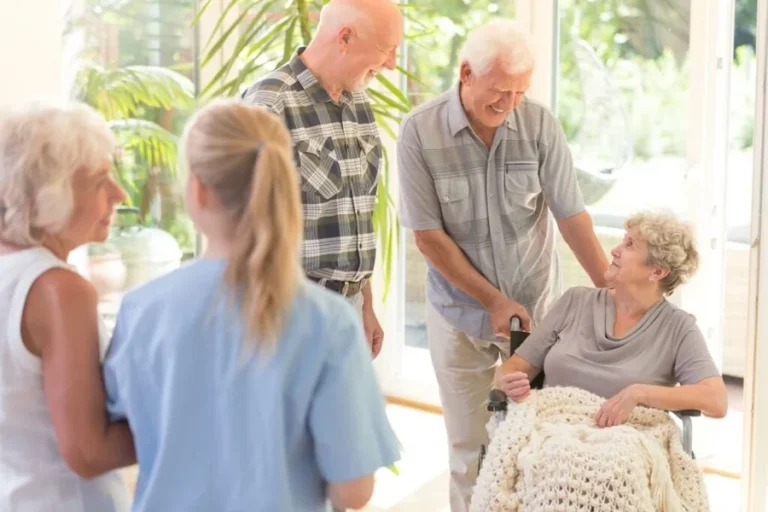
Choosing a nursing home or senior care facility is one of the most emotionally significant decisions a family can make. Loved ones aren’t simply looking for a place that provides healthcare services — they are searching for a community where safety, dignity, compassion, and quality of life are prioritized. In such a high-stakes environment, reputation and trust are the foundation of every successful senior care organization. That’s why a strategic approach to visibility and credibility is essential, particularly through thoughtful approaches to nursing home marketing that focus on empathy, transparency, and long-term connection.
Why Trust Is Central in Senior Care Decision-Making
Unlike many other industries, senior care involves deep emotional investment. Families are often under stress, balancing concerns about health, safety, finances, and guilt. They may have limited experience navigating the industry and rely heavily on impressions formed early in their search process. This makes first impressions critical. Whether through a website, word of mouth, or social content, the way a facility presents itself must signal professionalism, care, and credibility.
Trust-building begins long before a facility representative speaks to a prospective family member. It is developed through consistent messaging, positive resident experiences, and a strong community reputation.
The Role of Compassionate Communication in Facility Visibility
Effective messaging in senior care marketing must be deeply human. It isn’t enough to list services or highlight amenities — communication needs to speak directly to the fears, hopes, and concerns of decision-makers. When families feel understood, they are more inclined to explore further.
Key messaging elements that build trust:
- Emphasizing resident dignity and personalized care plans
- Highlighting staff expertise alongside compassion
- Using warm, reassuring language rather than overly clinical jargon
- Communicating community engagement and lifestyle enrichment
Marketing should reassure families that residents are not just patients, but valued individuals with emotional and social needs.
Showcasing Reputation Through Resident and Family Experiences
In an industry built on trust, real stories and authentic experiences hold significant weight. When families feel seen and heard, they are more likely to recommend the facility and share their positive journey. Testimonials, when used appropriately and with permission, help future residents and their families see the value of care through another person’s lens.
Beyond testimonials, sharing success stories about improved health outcomes, enhanced quality of life, or meaningful resident engagement can help facilities frame themselves as relationship-centered communities rather than just care providers.
Educating Rather Than Selling: A Thoughtful Marketing Approach
Families often begin their search by asking questions such as: “What level of care does my loved one need?” or “How do I know if a facility is safe and trustworthy?” Creating educational content that answers these questions can significantly improve credibility.
Helpful content may include:
- Guides on choosing the right level of care
- Articles on transitioning a loved one into a facility
- Information explaining the difference between skilled nursing and assisted living
- Insights on the emotional journey of caregiving
By prioritizing clarity and support, facilities position themselves as informed allies rather than sales-driven providers.
Building Trust Through Visual Storytelling
Imagery plays a central role in how families perceive a facility. Photos and videos of community events, resident activities, dining experiences, and staff interactions can communicate warmth and authenticity. When visuals reflect a positive environment, families begin to envision their loved one thriving there.
However, it’s important that visuals reflect real life, not overly staged scenarios. Authenticity in photos and videos supports the emotional tone of the message and builds sincerity in communication efforts.
Establishing Digital Presence as an Extension of Reputation
A facility’s digital presence often serves as the first interaction families have with the community. A professional, inviting website that clearly explains services, showcases staff, and guides users toward easy next steps can significantly reduce hesitation.
Search visibility also plays a critical role. Working with experts in nursing home marketing ensures that messaging is aligned with industry best practices, ethically written, and optimized to reach families searching for support. Proper visibility helps senior care communities connect with people at the moment they need help, guiding them with reassurance and clarity.
Local Presence and Community Engagement
Reputation isn’t only shaped online; it is built through community involvement and local partnerships. Engaging with healthcare providers, participating in senior wellness events, and collaborating with local organizations reinforces the facility’s presence as a trusted local resource.
Word-of-mouth referrals from medical professionals, caregivers, and community members can be some of the most powerful marketing outcomes. These relationships are strengthened when facilities consistently demonstrate integrity and compassionate care.
Earning Loyalty Through Ongoing Transparency
Once families choose a facility, trust must continue to be nurtured. Ongoing communication, transparent care updates, and responsiveness to concerns play a role in long-term satisfaction. Loyal families often become advocates who refer others or share their experiences, further reinforcing reputation.
Facilities that maintain consistent standards of care and communication establish themselves as trustworthy long-term partners in their residents’ well-being.
Creating a Lasting Impact Through Trust-Centered Growth
When senior care communities align their marketing efforts with the emotional needs of families, they lay the groundwork for sustainable growth. Reputation and trust aren’t just marketing assets — they are the foundation of healthy, thriving care environments. By integrating empathy, education, visibility, and community engagement, nursing homes can establish themselves as reliable, compassionate places where families feel confident placing their loved ones.
Marketing built on trust doesn’t just attract residents — it builds legacies grounded in care.