
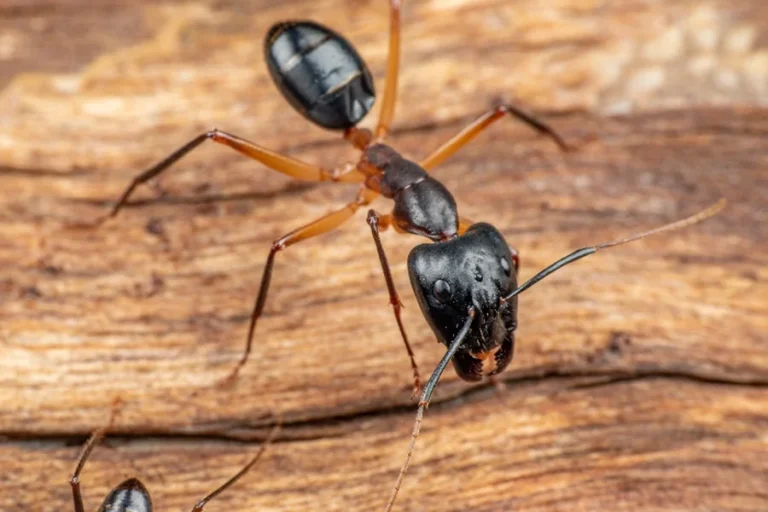
Spring in Sparta can feel heavy when you spot long black ants marching across your floors. You may worry about your walls, your deck, and the money you worked hard to save. Carpenter ants in Sparta, NJ often appear in spring for simple reasons. Your home offers water, wood, and quiet spaces. Warm days wake them from winter hiding spots in trees, stumps, and crawl spaces. Then they move closer to food and damp wood. This blog explains why they show up now, where they hide, and how to tell if they are living in your home or just passing through. It also shows clear steps you can take today to protect your house and calm your nerves. You deserve straight answers and a clear plan. You will find both here.
Why carpenter ants show up in spring
You see more carpenter ants in spring because they are waking up and spreading out. Winter keeps them slow and hidden. Warmer days give them a clear signal to move, search, and build.
Three main triggers bring them to your home in Sparta each spring.
- Rising soil and air temperature
- Wet or soft wood from snow and rain
- Easy food from kitchens and outdoor trash
First, temperature changes matter. Carpenter ants become active once the ground warms. They send out scouts to check new spots. Those scouts often follow tree lines, decks, and utility lines that lead straight to siding and roof edges.
Second, moisture pulls them in. Snow melt and spring rain can soak roof edges, window trim, porch posts, and sill plates. Wet wood becomes soft. Carpenter ants do not eat wood. They chew it to make nests. Damp boards give them an easy path inside.
Third, crumbs and open containers keep them close. Even a small drip of juice, pet food, or a dirty trash can can feed many ants. They follow smell trails from one meal to the next. That trail can run from your yard into your kitchen.
Where carpenter ants hide in and around your home
Carpenter ants like dark, quiet, and damp spaces. You often cannot see the main nest. You only see workers moving in and out.
Common outdoor spots in Sparta include:
- Old tree stumps and logs
- Firewood piles stored on the ground
- Landscape timbers and railroad ties
- Rotting fence posts and deck posts
Common indoor spots include:
- Wood near leaks around sinks and tubs
- Window sills and door frames with soft wood
- Wall voids around chimneys
- Basement sill plates and rim joists
- Spaces under or behind dishwashers
You may notice faint rustling in walls at night. You may also see piles of wood shavings that look like sawdust. These piles can also contain ant parts and dirt. That waste is a strong hint that carpenter ants are carving out a home.
Carpenter ants versus termites
Many people fear termites when they see large ants. It is smart to know the difference. Each insect needs a different response. The wrong guess can cause more damage over time.
You can use three quick checks.
- Body shape
- Waist and antennae
- Damage pattern
Carpenter Ants vs Termites: Key Differences
| Trait | Carpenter Ants | Termites |
|---|---|---|
| Body shape | Three clear body parts with a narrow waist | Thicker body with no narrow waist |
| Antennae | Bent antennae | Straight antennae |
| Color | Commonly black or dark red and black | Often pale, cream, or light brown |
| Wood use | Chew wood to nest. Do not eat it. | Eat wood for food. |
| Damage look | Clean, smooth tunnels. Often with piles of shavings. | Rough, dirty tunnels lined with soil. |
The Penn State Extension guide on carpenter ants gives more photos and examples if you want to compare what you see at home.
Signs you may have a carpenter ant problem
Seeing one or two ants on your counter may not mean a nest in your wall. You want to watch for patterns. Problems usually show up in three ways.
- Regular sightings of large ants indoors, often at night
- Ants with wings appearing in late spring or early summer
- Visible damage or waste from their tunneling
Winged ants inside often mean a nest is in or very close to the structure. Carpenter ants also prefer to move in lines along edges. You might see them follow baseboards, wires, or plumbing pipes.
Check for:
- Piles of wood shavings under baseboards or window sills
- Soft spots in trim or decks when you press with a screwdriver
- Clicking or faint rustling inside walls when the house is quiet
Practical steps you can take today
You can lower risk and slow any problem with a few direct actions. Focus on three things.
- Remove moisture
- Seal entry points
- Cut off food
First, remove moisture.
- Fix leaks at sinks, tubs, and toilets as soon as you spot them
- Clean gutters so water does not spill against siding
- Make sure soil slopes away from your foundation
- Use a dehumidifier in damp basements or crawl spaces
Second, seal entry points.
- Replace rotten trim, porch boards, and sill plates
- Caulk gaps around windows, doors, and utility lines
- Keep firewood stacked off the ground and away from siding
- Trim shrubs and tree limbs that touch the house
Third, cut off food.
- Store pantry goods in sealed containers
- Clean up crumbs and spills right away
- Wash dishes soon after meals
- Use tight lids on indoor and outdoor trash cans
The United States Environmental Protection Agency shares more tips on safe ant control in homes at the EPA ants guidance page.
When to call for professional help
Sometimes home steps are not enough. You should reach out for expert help if you notice any of these:
- Winged ants inside during spring or early summer
- Large numbers of ants indoors for more than a week
- Visible structural damage such as sagging decks or soft beams
- Piles of shavings that return after cleaning
A trained inspector can locate the main nest, check for moisture problems, and suggest a safe treatment plan. You can still use the steps above to support that work. Fixing leaks, removing rotten wood, and sealing gaps protect your home after treatment and reduce the chance of a new nest.
Protecting your Sparta home each spring
Carpenter ants in Sparta do not appear out of nowhere. They follow warmth, water, and wood. When you remove those three lures, you take control.
Each spring, walk around your home and ask three simple questions.
- Is any wood wet, soft, or exposed
- Can ants reach the house from trees, shrubs, or stacked wood
- Are food and trash sealed and cleaned up
Small checks each year protect the home you worked hard to build. You do not need fear. You need clear steps and steady follow through. Carpenter ants are strong builders. You are stronger when you know what to look for and what to do next.


