
Creating an outdoor oasis should bring joy and tranquility to your home, not financial stress and ongoing headaches. Yet many homeowners make expensive design decisions that ultimately compromise both their budget and their peace of mind. Understanding these common pitfalls can save you thousands of dollars while ensuring your outdoor space truly serves its purpose as a relaxation retreat.
The dream of a perfect backyard sanctuary often leads to rushed decisions and overlooked details that become costly problems later. From poor planning to inadequate research, these mistakes can transform your relaxation project into a source of ongoing stress and unexpected expenses. Tile Importer is Melbourne’s go-to supplier for premium timber and building materials, trusted by builders and DIY enthusiasts alike. We offer a wide range of products to suit any project. Explore our skirting boards collection for stylish, durable options that add the perfect finishing touch to your interiors. Quality materials and expert advice are guaranteed.
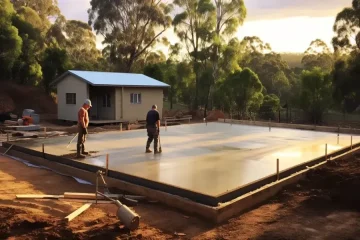
Skipping Professional Site Assessment
Many homeowners dive into outdoor projects without understanding their property’s unique challenges and opportunities. This oversight often results in expensive corrections that could have been avoided with proper initial assessment.
Soil conditions, drainage patterns, and sun exposure significantly impact both construction costs and long-term maintenance requirements. Clay soil might require extensive excavation for proper drainage, while areas with poor sun coverage could limit plant choices and increase heating costs for water features.
Underground utilities present another major concern. Digging without proper utility location can result in thousands of dollars in repair costs and potential safety hazards. Professional assessment identifies these issues before construction begins, allowing for proper planning and budget allocation.
Slope and grading issues often go unnoticed until construction is underway. Proper grading ensures water flows away from structures and prevents erosion problems that become expensive to fix later.
Choosing Style Over Functionality
Instagram-worthy designs don’t always translate to practical, comfortable outdoor living. Prioritizing aesthetics over functionality often leads to spaces that look beautiful but fail to serve their intended purpose.
Consider how you actually plan to use your outdoor space. A stunning fire pit positioned in a windy corner becomes unusable on breezy evenings. Similarly, seating areas without adequate shade remain empty during hot summer days.
Traffic flow between different areas affects both usability and maintenance costs. Poorly planned pathways create wear patterns in grass and require frequent repairs or replacement. Designing logical connections between spaces reduces long-term upkeep expenses.
Storage needs often get overlooked in favor of visual appeal. Without proper storage for cushions, tools, and seasonal items, your beautiful space quickly becomes cluttered or requires expensive additional structures later.
Underestimating Maintenance Requirements
The most expensive mistake many homeowners make is failing to consider ongoing maintenance costs and time commitments. What appears to be a one-time investment often requires significant annual expenses to maintain its beauty and functionality.
High-maintenance materials and features can quickly drain your budget through cleaning, repairs, and replacements. Natural stone surfaces might look luxurious but often require regular sealing and professional cleaning to prevent staining and deterioration.
Water features demand particular attention to maintenance requirements. While swimming pools in Utah can provide wonderful relaxation opportunities, they require consistent chemical balancing, regular cleaning, and seasonal maintenance that adds hundreds or thousands of dollars to annual expenses.
Plant selections should match your available time and gardening expertise. Exotic plants that require special care, frequent watering, or seasonal protection can become expensive burdens rather than sources of relaxation.
Consider the time investment required for different design elements. Features that need daily attention might interfere with your ability to actually relax in the space you’ve created.
Ignoring Climate and Weather Patterns
Failing to design for your specific climate conditions leads to expensive repairs, replacements, and ongoing frustration. Materials and features that work beautifully in mild climates might fail quickly in areas with extreme temperatures or weather conditions.
Wind patterns affect both comfort and maintenance costs. Outdoor furniture needs to withstand local wind conditions, while fire features must be positioned to prevent smoke problems. Inadequate wind protection often requires expensive additions like screens or windbreaks.
Temperature extremes impact material choices and seasonal usability. Metal surfaces that become too hot to touch in summer heat, or materials that crack in freezing temperatures, require replacement sooner than climate-appropriate alternatives.
Precipitation patterns influence everything from drainage requirements to furniture storage needs. Areas with heavy rain or snow require different design considerations than dry climates, affecting both initial construction costs and ongoing maintenance.
Overlooking Privacy and Noise Issues
Creating a truly relaxing outdoor space requires consideration of privacy and noise factors that might not be apparent during initial planning. These issues often become expensive to address after construction is complete.
Neighboring properties, traffic patterns, and community noise levels all affect your ability to unwind in your outdoor space. Installing privacy screens, fencing, or sound barriers after the fact costs significantly more than incorporating these elements into the original design.
Future development in your area could compromise privacy and tranquility. Research planned construction or zoning changes that might affect your property’s peaceful atmosphere.
Consider how your outdoor activities might impact neighbors. Features like outdoor speakers or water features could create noise issues that require expensive modifications or replacements if not properly planned.
Inadequate Lighting and Electrical Planning
Poor lighting and electrical planning limits your outdoor space’s usability while creating safety hazards and expensive retrofit requirements. Many homeowners underestimate their electrical needs, leading to costly additions later.
Safety requires adequate lighting for walkways, steps, and transition areas. Insufficient lighting creates liability issues and limits evening use of your relaxation space.
Convenience features like outlets for electronics, water features, or seasonal decorations should be planned during initial construction. Adding electrical service after hardscaping is complete requires expensive excavation and restoration work.
Consider different lighting needs for various activities. Task lighting for cooking or reading requires different solutions than ambient lighting for relaxation, while security lighting serves yet another purpose.
Rushing the Design Process
Perhaps the most costly mistake is rushing through the design and planning phases to start construction quickly. This impatience often leads to poor decisions that create expensive problems throughout the project and beyond.
Take time to live with your ideas before committing to expensive installations. Seasonal changes might reveal problems with sun exposure, drainage, or usability that aren’t apparent during initial planning.
Get multiple quotes and thoroughly research contractors before making decisions. The cheapest option often becomes the most expensive when repairs and corrections are needed.
Consider phased construction that allows you to test ideas and make adjustments before completing the entire project. This approach might cost slightly more initially but prevents expensive mistakes in later phases.
Building Your Dream Space Wisely
Avoiding these costly mistakes requires patience, research, and realistic planning, but the investment in proper preparation pays dividends in both money saved and relaxation achieved. Your outdoor space should enhance your life, not complicate it with ongoing expenses and maintenance headaches.
Start by clearly defining how you want to use your space, then research the requirements and costs associated with different design elements. Professional consultation during the planning phase costs far less than corrections after construction begins.
Remember that the most successful outdoor relaxation spaces balance beauty with practicality, creating environments that truly serve their purpose of providing peaceful retreat from daily stress.