
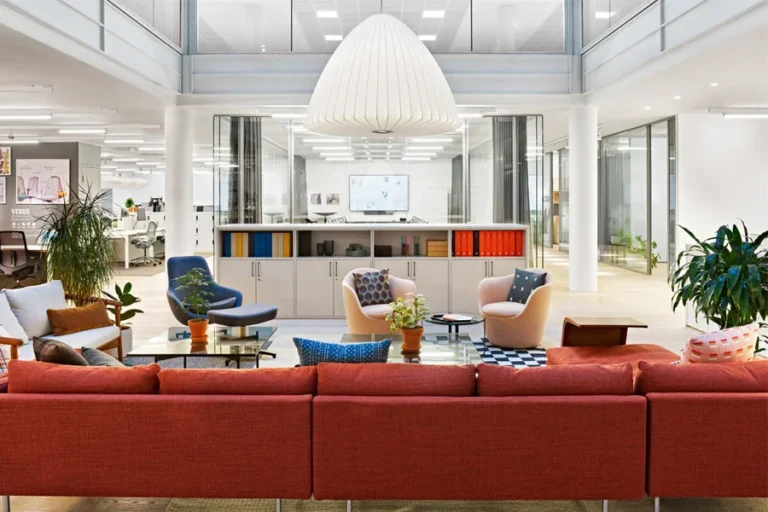
When it comes to retail success, attracting foot traffic is just the beginning. Once customers step inside your store, their experience—shaped heavily by your layout—determines how long they stay, what they see, and ultimately, how much they spend. A smart store layout does more than display products; it creates a seamless flow that guides customers naturally through the space. Let’s explore the key principles and layout strategies that help retail stores manage high footfall and convert visits into sales.
Also Read: Revolutionizing Retail: Olea’s Retail Kiosks Solutions
Understanding the Importance of Flow
Flow refers to the natural movement of customers throughout your store. An effective flow minimizes congestion, highlights key products, and encourages customers to explore more areas. Poor flow can create bottlenecks, cause customer frustration, and lead to missed sales opportunities.
High footfall environments—like shopping centers or busy streets—demand intentional design to manage the volume of traffic while maintaining a pleasant and productive shopping experience.
Step 1: Choose the Right Layout Style
Retail layouts typically fall into a few common categories, each with benefits suited to different store types:
1. Grid Layout
Popular in grocery stores and pharmacies, this layout features long aisles and neatly arranged shelves. It’s efficient and maximizes product exposure but can feel rigid. For high-traffic environments, it helps keep people moving in an organized fashion.
2. Loop (Racetrack) Layout
This layout guides customers along a set path that circles through the store, making it easy to highlight key products and encourage full exploration. IKEA is a prime example of this layout in action.
3. Free-Flow Layout
Used often in boutiques and high-end retail, this layout allows more freedom and creativity. While visually appealing, it requires careful planning to avoid confusion or bottlenecks in crowded conditions.
4. Spine Layout
A central aisle (or “spine”) runs from the front to the back, with side displays leading off it. This style combines the structure of a grid with the exploration of a loop.
Step 2: Create a Clear Entrance Experience
First impressions matter. The area just inside the entrance—known as the decompression zone—is where customers transition from outside distractions to the store’s atmosphere. Keep this area open and uncluttered so visitors can adjust and prepare to browse.
Position key displays or promotional signage just beyond this space to immediately draw customers into the flow of the store.
Step 3: Guide Movement Strategically
Once customers enter, your layout should gently direct them. Research shows that in many countries, people instinctively turn right upon entering a space. Use this to your advantage by placing high-demand or featured items along the right-hand side and guiding movement in a counter-clockwise direction.
Use visual cues such as flooring changes, lighting, displays, and signage to encourage movement toward different areas. Avoid dead ends—each area should flow naturally into the next to keep customers circulating.
Step 4: Use Speed Bumps and Hot Spots
In high foot traffic stores, customers can move too quickly, skipping over important products. Speed bumps—small displays or changeups in layout—slow them down and capture attention. These can be endcaps, display tables, or even sample stations.
Hot spots—areas with naturally high visibility or traffic, such as near fitting rooms or checkout lines—are ideal for promotional products or impulse buys.
Step 5: Design for Comfort and Navigation
To encourage shoppers to linger—and spend—comfort should be a top priority. Ensure aisles are spacious enough to handle heavy foot traffic, especially for those navigating with carts or strollers. Keep merchandise displays clean and organized, steering clear of unnecessary clutter. Enhancements like quality lighting, mirrors, seating areas, and clear signage all contribute to a smooth, customer-friendly flow.
Additionally, consider durable flooring solutions like polyurea coating, which is gaining popularity in Utah retail environments. Not only does it offer slip resistance and long-lasting performance, but it also adds a polished, professional look that supports both safety and style in high-traffic areas.
Step 6: Plan for Flexibility
High foot traffic often comes in waves—lunch hours, weekends, or during sales events. Your layout should be adaptable to accommodate peak times. Use movable displays or modular fixtures so you can shift paths and create space as needed.
Also, plan for seasonal changes by creating flexible zones that can be updated regularly with fresh promotions or trends.
Step 7: Integrate Technology Thoughtfully
Incorporate tech in a way that enhances flow rather than disrupting it. Digital kiosks, QR code tags, or mobile checkouts can streamline navigation and reduce congestion, especially near registers. Just ensure that any technology used aligns with your overall layout strategy and doesn’t confuse the customer journey.
Final Thoughts
Designing a retail space with high footfall in mind is both a science and an art. A smart layout does more than look good—it works hard to guide, influence, and inspire customers as they move through your store. By understanding natural movement patterns, applying proven layout principles, and keeping customer comfort in focus, you’ll create an environment that turns traffic into transactions.
High foot traffic is an opportunity—make sure your store is designed to make the most of it.