
Key Takeaways
- Embrace digital dentistry skills to enhance diagnostic accuracy and treatment efficiency.
- Stay informed about patient-centered care trends to meet evolving patient expectations.
- Incorporate new procedures and technologies to expand service offerings.
- Develop business and leadership skills to strengthen practice management.
- Utilize diverse educational resources, including online courses and professional associations.
Staying current in the ever-changing field of dentistry is vital for delivering high-quality patient care and keeping a practice thriving. Dental professionals who prioritize lifelong learning are best positioned to adapt to innovation and evolving patient expectations. Exploring continuing education courses for dental professionals opens the door to the latest clinical techniques and technologies, enabling dentists to serve their patients better and remain competitive in the market.
The demand for advanced skills is expected to increase as digital transformation accelerates across the industry. Embracing new tools and methods helps practitioners provide more precise, efficient, and patient-centered care. Continuous professional development goes beyond just clinical expertise; it also encompasses leadership and business management knowledge for today’s dental practices.
Keeping up with these developments means taking advantage of many learning opportunities, including courses, workshops, and professional networks. By continually investing in education and staying informed about emerging dental trends, professionals ensure their practices can respond to new market demands and regulatory changes. To learn more about recent innovations and standards in dental practice, the American Dental Association provides helpful resources for dental practitioners at all stages of their careers.
Digital Dentistry Skills Every Dentist Needs
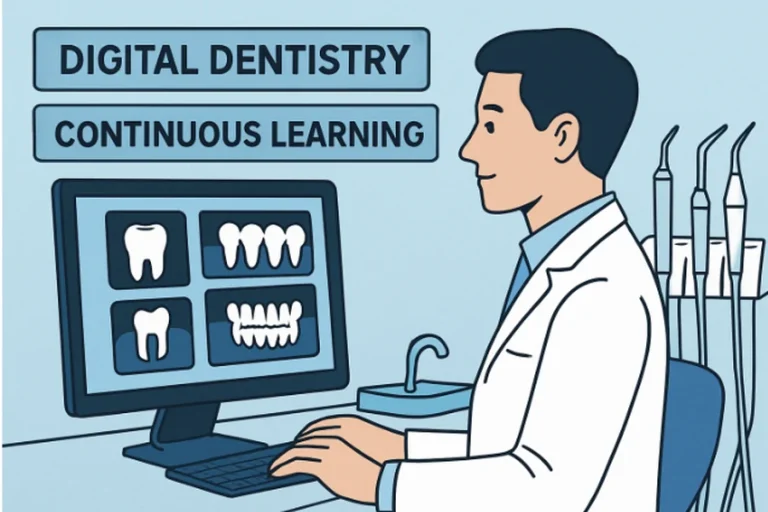
Digital technology is rapidly reshaping how dental professionals diagnose, plan, and deliver patient care. From digital imaging systems to computer-aided design and manufacturing, modern tools enhance precision while reducing turnaround times and human error. As more practices integrate advanced platforms into their workflows, developing strong proficiency in digital dentistry becomes vital for maintaining efficiency and clinical excellence. By 2026, technologies such as AI-driven diagnostics, intraoral scanners, and cloud-based practice management systems are projected to play an even more significant role in everyday dental operations.
Key Digital Skills to Learn:
- AI-powered diagnostics for early cavity detection
- Intraoral scanning for precise digital impressions
- Digital workflow management to streamline patient care
- Cloud-based patient systems for secure, accessible communication
Adopting these technologies can deliver superior patient experiences and minimize errors. For cost-effective adoption, consider equipment financing and strategic investments to keep your practice ahead without undue strain.
Skills That Match Patient Trends and New Expectations
Modern patients increasingly seek practices that offer comfort, convenience, and minimally invasive care. Dental professionals can meet these expectations by focusing on new treatment modalities and developing communication skills that support patient engagement and trust.
Top CE Areas for Patient Demand:
- Minimally invasive dentistry
- Clear aligner therapy for discreet orthodontics
- Innovations in teeth whitening
- Same-day dentistry for enhanced convenience
Shifting to a patient-centered approach ensures that care delivery is distinctive and meets the needs of diverse patient populations. These skills not only attract new patients but also improve satisfaction and retention.
For additional guidance on best practices in patient engagement, you may find the CDC’s Oral Health Resources provide thorough, evidence-based insights into improving patient outcomes and safety.
New Procedures That Will Grow in 2026
Dentistry is rapidly evolving, with specific procedures expected to gain traction and popularity over the next few years. Practitioners who invest in mastering these emerging treatments can diversify their services and boost practice profitability.
Must-Learn Procedures for 2026:
- Laser dentistry for soft-tissue and minimally invasive treatments
- 3D-printed restorations for efficient solutions
- Advanced implant placement and grafting techniques
- Botox and facial esthetics to offer full-service dental care
Offering these advanced procedures helps practices attract a broader range of patients and establish themselves as leaders in the community.
Business and Leadership Skills for Stronger Practices
In today’s landscape, clinical excellence must be complemented by robust business and leadership skills. Continuing education in these areas is critical for ensuring your practice is well-managed and primed for sustainable growth.
Important Non-Clinical Skills:
- Practice management and operational efficiency
- Financial planning and effective budgeting
- Team leadership and clear communication
- Marketing and patient acquisition strategies
Becoming a well-rounded dental professional means focusing on both patient care and business success. Leadership skills also foster better teamwork and improve staff retention.
Utilizing Educational Resources for Continuous Learning
The best dental professionals are those who access a wide array of educational resources. Peer-reviewed dental journals present the latest research, clinical trials, and systematic reviews, while industry magazines inform you of trends, technology, and regulatory changes.
- Journal of Cosmetic Dentistry (AACD)
- Journal of Dental Hygiene (ADHA)
- Operative Dentistry
Conferences and live workshops are invaluable for networking, hands-on training, and gaining CE credits. Key events include the ADA Annual Meeting, Chicago Midwinter Meeting, and the Greater New York Dental Meeting. Participation in these conferences ensures you stay up to date while benefiting from expert lectures and real-world skill application.
Local educational events and webinars fit to your state’s specific requirements are also worth considering to maintain licensure and expand your expertise.
Conclusion
Lifelong learning supported by comprehensive continuing education enables dental professionals to consistently provide high-quality patient care while staying aligned with evolving industry standards. As technology reshapes modern dentistry, developing strong digital competencies—from advanced imaging systems to practice management software—becomes essential. Emphasizing patient-centered communication strengthens trust, satisfaction, and long-term retention. Exploring new clinical procedures and evidence-based techniques allows practices to expand services and remain competitive. Building leadership and team management skills further enhances operational efficiency and workplace culture. A steadfast commitment to ongoing education not only sharpens clinical expertise but also positions a dental practice to seize emerging opportunities, navigate change confidently, and achieve sustainable growth in an ever-evolving field.