
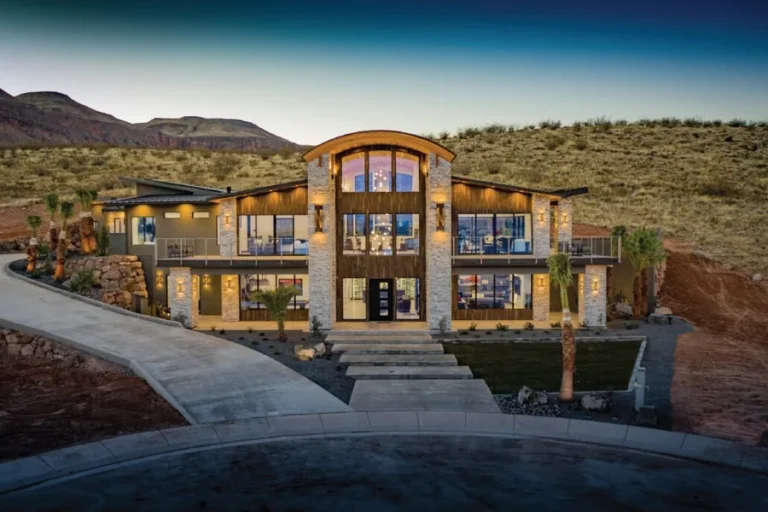
Setting the Stage: Defining Successful Home Blueprints
A blueprint is not decoration on paper. It is the operational skeleton of your home. Weak schematics breed inefficiency, wasted square footage, and poor resale leverage. Every angle and wall dictates how air moves, how daylight hits, and how energy bills behave for decades. Thoughtless layouts crush workflows in daily living, while intentional design can turn a home into a precision instrument for comfort and value. Treat it as the control panel for your property, not just a pretty diagram.
Must-Have Functional Zones in Utah Residential Floor Plans
Living zones should be positioned to invite natural gathering without forcing traffic through private areas. Sleeping quarters belong in buffered spaces, insulated by hallways or elevation changes. Service areas are best tucked into low-visibility pockets but kept accessible. Open-concept arrangements create fluidity and longer sightlines, though they trade acoustic privacy. Traditional divisions give clarity and noise control. Anchor key adjacencies to reinforce practical use: kitchen near dining, dining near outdoor access, and utility rooms aligned with garage entries to stop mess before it arrives inside.
Budgeting Realistically for Home Blueprint Costs
Design fees, permit filings, survey charges, and revision rounds are predictable costs until scope creep kicks in. The blunt truth: projects hemorrhage budget when vision drifts midstream. Holding a fixed-fee contract caps runaway expenses, while phased payment schedules keep architects accountable for deliverables. Always salt the budget with a contingency reserve in the low double digits to absorb concealed surprises like soil instability or zoning curveballs. Without it, you gamble your timeline and risk an urgent redesign at full price.
Adapting Blueprints to Regional Climate and Terrain
Utah’s high-desert climate is a chess opponent for lazy design. Sun orientation can make or break heating loads. Strategic glazing and roof overhangs decide whether summers are tolerable or not. High insulation values are non-negotiable for elevation sites, while wind loads matter more in exposed plains. Terrain-sensitive solutions like stepped foundations prevent the house from clinging awkwardly to a slope. Adjustable grading lines allow the design to stay elegant across varied lot profiles. Flexibility here averts costly site rework.
Comparing Custom vs. Stock Utah House Designs
Bespoke blueprints deliver a glass-glove fit for your life but demand higher fees, longer timelines, and deeper involvement. Stock plans are faster and cheaper, yet often require surgical modifications to suit local code or site quirks. Match the design source to your tolerance for compromise. For those wanting precision without reinventing every wheel, explore catalog options built for the region like Utah house plans that already think in local materials, climate, and building constraints. Whichever you choose, vet the provider’s portfolio, confirm licensing, and insist on adaptability clauses in contracts.
Leveraging Digital Tools for Preliminary Drafting
Modern drafting software lets you rough in volumes and experiment with furniture clusters before hiring an architect. Platforms offering 3D previews cut guesswork from spatial decisions. Export your working files to open formats that a professional can refine without conversion headaches. Keep a living archive of revisions and annotations to prevent repeat mistakes. Digital work is powerful, but it should feed expertise, not replace it. A pixel-perfect render isn’t the same as a buildable plan.
Integrating Smart Home Technologies into Floor Plans
Tech integration starts in the blueprint, not after move-in day. Conduits for wiring, sensor networks, and data lines should be embedded in the walls while they’re still theoretical. Centralized hubs need accessible but discreet locations, shielded from interference yet easy to service. Design for tomorrow by including modular rack spaces that can handle upgrades in networking or automation protocols. These design moves preserve style, boost resale intrigue, and shield the home from quick obsolescence.
Elevating Sustainability in Modern House Blueprints
Passive solar alignment saves more than any mechanical retrofit. High-performance envelopes stop the bleed of winter heat and summer cool. Water harvesting becomes painless if planned into the foundation and landscaping early. Source materials that meet strict certifications while still matching regional aesthetics. Think beyond immediate sticker price. Materials that endure with minimal upkeep will reward owners in both operating costs and structural resilience over decades.
Bringing Your Blueprint to Reality: Next Steps for Your Dream Home
Translate vision to execution without diluting the integrity of the plan. Secure final drawings with every technical detail locked in. Get permits cleared before swinging a hammer. Choose a contractor with a clean track record for delivering complex plans on schedule. Study completed homes in their portfolio for signs of precision. Once the build begins, the blueprint stops being a theory and starts shaping your daily life exactly as intended.