
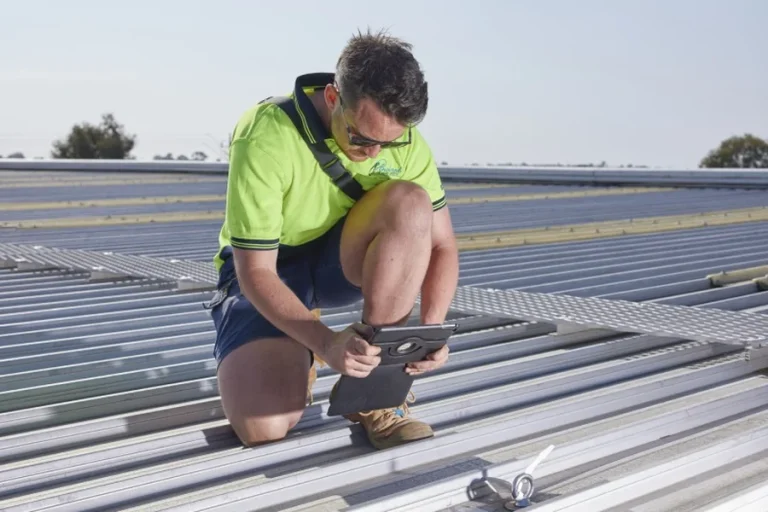
In Australia, the importance of workplace health and safety cannot be overstated, particularly when it comes to working at heights. The construction and maintenance industries, among others, require strict adherence to safety standards to prevent falls and accidents on-site. This adherence is not merely about best practices; it’s a legal obligation. Companies focused on protecting their workers and adhering to the law need to understand the necessity of roof safety annual certifications.
The Legal Framework for Roof Safety in Australia
Within Australia, each state and territory has specific laws and regulations governing workplace safety. However, overarching this are the Model Work Health and Safety (WHS) laws, which provide a framework to help protect workers across the nation. Under these regulations, turning a blind eye to workplace safety is not just negligent; it can lead to substantial fines and legal repercussions.
Understanding Roof Safety Annual Certifications
Roof safety annual certifications are a critical component of a comprehensive workplace safety program. These certifications are conducted by qualified professionals who inspect and certify that a company’s roof safety systems are up to code and provide adequate protection for workers. Through these inspections, hazards can be identified and mitigated before they result in injury or worse.
An integral part of any roof safety system is the anchor point. These points are fixtures designed to provide a secure attachment for personal fall arrest systems and equipment, ensuring that workers are protected in the event of a slip or fall. The regular inspection and certification of these anchor points are not just a regulatory requirement but are crucial for the safety of anyone working at height.
Components of a Roof Safety System
A comprehensive roof safety system is comprised of various elements designed to prevent falls or minimise the risks associated with working at height. Key features include guardrails, walkways, static lines, and the aforementioned anchor points. Each element requires regular maintenance and certification to ensure it continues to offer maximum protection.
Why Annual Certifications are Mandatory
The reason behind annual certifications is rooted in prevention. As wear and tear or environmental factors can degrade the components of a roof safety system, regular checks are mandatory to ensure they remain effective. Any compromise in the system’s integrity can lead to catastrophic failures, which is why yearly certifications are crucial.
In addition to the safety benefits, these certifications also serve to protect companies legally. By adhering to safety standards and ensuring regular certifications, businesses can demonstrate due diligence, which can be pivotal in the event of safety incidents or inspections by regulatory bodies.
The Process of Acquiring Roof Safety Certifications
The process of acquiring roof safety certifications typically involves a multi-step approach. Initially, a thorough assessment of the existing roof safety system is conducted to identify any potential hazards or non-compliance issues. Once this assessment is completed, any necessary repairs or upgrades are made to ensure the system meets the relevant safety standards.
Engaging the Right Professionals
When it comes to certifications, it’s vital to engage professionals who specialise in roof safety systems and understand the intricate requirements of Australian safety regulations. These experts not only conduct the inspections but also provide valuable insights on how to improve overall safety and compliance.
Qualified professionals will also help in documenting the certifications, which is an essential aspect of the process. Documentation serves as proof of compliance and should be carefully maintained in the event of any legal scrutiny or workplace incidents.
Regular Maintenance and Updates
Beyond annual certifications, regular maintenance is equally important to ensure the ongoing effectiveness of a roof safety system. Even minor damage or changes to the system can affect its functionality, which makes routine check-ups between certifications a sensible procedure.
Regulatory updates also necessitate occasionally reviewing and updating safety systems. As laws change and technology advances, companies must adapt their roof safety measures to ensure ongoing compliance and protection of their workforce.
The Consequences of Non-Compliance
Ignoring the mandates for roof safety annual certifications can lead to severe consequences. From substantial fines to criminal charges, the penalties reflect the seriousness of potential breaches in workplace safety. But beyond the legal implications, there is the human cost – the well-being and lives of workers are at stake.
Therefore, it’s imperative for businesses to treat roof safety as a priority, investing in both the physical safety systems and the annual certification process. The cost of compliance is far outweighed by the cost of negligence, both financially and ethically.
Conclusion
Roof safety annual certifications are an essential requirement for businesses operating in Australia. Not only do they ensure compliance with safety regulations, but they also play a vital role in protecting the lives of employees working at height. Companies that stay on top of their safety requirements through regular certifications and maintenance not only avoid penalties but also reinforce a culture of safety within their organisation.
To summarise, roof safety is not an area where shortcuts should be taken. Prioritising thorough inspections, adhering to regulations, and maintaining a robust roof safety system is paramount. After all, ensuring the safety of workers at height should be of utmost importance to any business, reflecting a commitment to not just legal compliance, but to a higher standard of care and responsibility.