
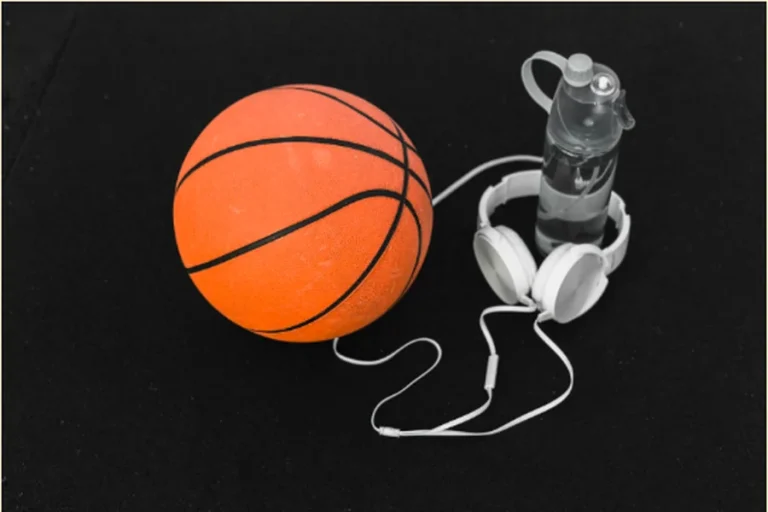
If you’ve ever stepped into a quiet gym before a game, you know the feeling: the stillness lasts only a second. Then the sounds begin. A ball echoes off the hardwood, sneakers squeak in sharp, scattered rhythms, a rim rattles after a warmup shot. Those sounds – familiar, layered, almost instinctive – shape how players judge timing, space, and opportunity. And sometimes, athletes stumble upon this realization in unexpected ways, during casual browsing or entertainment – even while scrolling content like aviator game india – and suddenly a small noise brings back the sensory memory of the court.
In basketball, sound is more than background noise. It’s a quiet form of coaching that players absorb without noticing.
The invisible language of the court
Every basketball court has its own personality, and a huge part of it comes from sound. Ask any athlete, and they’ll tell you the game “feels different” in each arena long before the jump ball.
Small sounds, big decisions
Players constantly make micro-adjustments based on what they hear:
- the soft shuffle of a defender preparing to slide
- the tempo of a dribble that signals hesitation or attack
- a teammate’s hand clap calling for a pass
- the specific ring of the rim that helps shooters judge their arc
The rhythm of team play
Every team has a “sound identity.” Fast-paced squads generate high-energy dribble rhythms and constant footwork noise. Slower teams sound more patient: fewer bounces, longer pauses, softer transitions. Coaches often say they can sense bad spacing by ear. When the sound feels wrong, the play usually is too.
How sound influences the body
Basketball might look like a visual sport, but the body relies heavily on auditory cues to stay aligned, balanced, and ready.
1. Anticipation through listening
In crowded paint battles, vision is limited. Players rely on their ears to sense:
- someone cutting behind them
- a screen forming
- a rebound opportunity based on rim vibration
Hearing becomes a kind of early-warning system.
2. Dribble timing and control
Great ball handlers often train in empty gyms not because they enjoy the solitude, but because the acoustics sharpen their focus. A clean dribble has a particular rhythm. If the bounce sounds slightly dull or uneven, they adjust grip, angle, and force immediately.
3. Emotional balance
Sound can steady or shake the mind:
- a sudden crowd roar boosts adrenaline
- quiet moments, like free throws, help players reset
Emotion follows acoustics. A calm internal rhythm translates to controlled movement.
Communication beyond words
Not all communication on the court is verbal. Much of it comes from environmental sounds.
Footwork signals
The sound of a defender’s shoes sliding can reveal whether they’re pressing, backing off, or preparing to take a charge.
Contact cues
Players use it to judge whether they’re losing position, especially under the basket.
Ball texture and bounce quality
A ball that’s overinflated or soft changes pitch when dribbled. Players adjust passing power or shooting release unconsciously.
Table: Key basketball sounds and their influence
| Sound type | What it signals | How players respond |
| Dribble rhythm | tempo, control, intention | adjusts timing and spacing |
| Rim feedback | shot depth and angle | positions for rebounds |
| Footwork patterns | defensive pressure | prepares counter-moves |
| Bench/teammate cues | play calls, switches | increases awareness |
| Contact noise | physical balance | shifts positioning |
Training players to “hear” the game
Coaches are increasingly interested in psychoacoustic awareness – teaching athletes to tune into sound the same way they tune into film review or footwork drills.
Silent-court drills
Teams run plays with no talking. Players have to rely on dribble patterns, footsteps, and the sound of the ball moving when there is no sound.
Training with fake crowds
While players practice in different situations, speakers blast arena sounds. This gets them ready for games on the road when they can’t talk to each other.
Rhythm-based ball-handling
Players work on keeping a steady dribble sound. They use the echo to fix mistakes faster than they could by looking at the ball.
Awareness mapping
Some teams walk athletes through scenarios where they must identify screens, cuts, or traps using sound alone.
A growing field in sports science
As technology evolves, so does the ability to study sound in sports:
- spatial-audio VR environments
- wearable devices that analyze dribble frequency
- acoustic mapping of arenas
- rhythm-based performance indicators
Organizations are starting to realize that listening is a competitive skill, not just a background habit.
In the end
Basketball is a game of motion, instinct, and timing – but it’s also a game of sound. There is information in every bounce, step, and swish. When players learn how to read this subtle language, they move with more confidence and think more clearly.
Sound doesn’t replace coaching or strategy. It enriches it. And for a lot of athletes, once they start paying attention, the court becomes more than just a physical space; it becomes a sound world that tells them what to do.


