
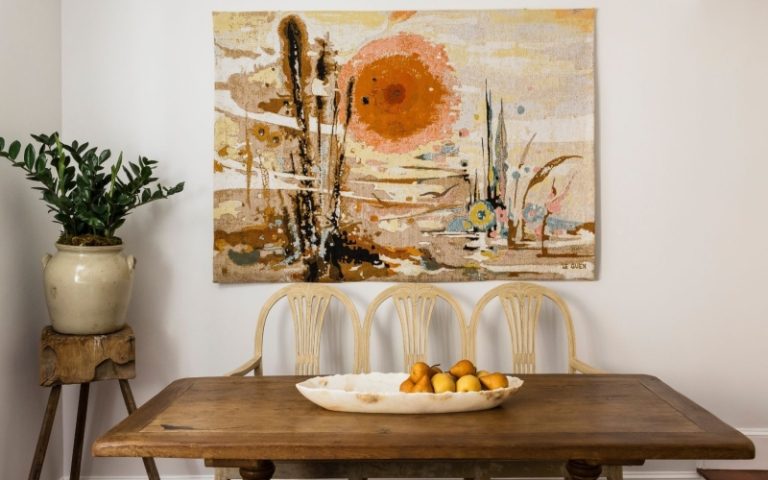
Clustercore is about embracing abundance. It’s a design approach where more is more and where every corner of a room is filled with objects that reflect the personality, history and passions of the inhabitants. Unlike minimalism, which emphasises simplicity and sparse decor, Clustercore encourages the layering of textures, colours, patterns and a mix of both vintage and modern items.
This style is not about clutter but about curating collections in a way that feels intentional, yet delightfully spontaneous. It’s about creating a space where every item, from the smallest trinket to the most imposing piece of furniture, has a story to tell. The beauty of Clustercore lies in its imperfection – its ability to evoke the charm of a lived-in home where memories are made and displayed. As is Home motivated.
The Origins of Clustercore
The roots of Clustercore can be traced back to various cultural movements and historical periods, particularly the Victorian era, known for its ornate and heavily decorated interiors. However, the modern interpretation of Clustercore is less about opulence and more about personal expression. It draws inspiration from eclectic design, bohemian aesthetics and the art of collecting.
As a reaction against the sterile, monochromatic spaces popularised by minimalist design, Clustercore reflects a growing desire for authenticity and individuality in home decor. In a world where personal identity is increasingly commodified, Clustercore offers a way to reclaim and celebrate one’s unique tastes and experiences through the environment they inhabit.
Key Characteristics of Clustercore
Eclectic Collections: One of the hallmarks of Clustercore is the presence of eclectic collections. Whether it’s vintage books, quirky ceramics or an assortment of framed artwork, the goal is to display a variety of items that may not traditionally go together but somehow create a harmonious whole. The key is in the curation – each piece should be thoughtfully chosen, even if the overall effect is one of casual abundance.
Layered Textures and Patterns: Clustercore is a playground for textures and patterns. Mixing different fabrics, like velvet cushions and wool throws, along with patterned rugs laid over brushed oak flooring, adds depth and warmth to a space. The interplay of these elements can create a visually stimulating environment that feels both cosy and dynamic.
Personal Narratives: Every item in a Clustercore space should have a personal story or significance. This might be a piece of furniture passed down through generations, souvenirs from travels or objects that represent hobbies and passions. The aim is to fill the space with pieces that resonate on a personal level, turning the home into a visual autobiography.
Controlled Chaos: While Clustercore might appear chaotic at first glance, there is a method to the madness. The key is to balance the visual complexity with enough structure to avoid overwhelming the senses. This could mean grouping similar items together, using colour to unify disparate elements or ensuring there are some open spaces to give the eye a place to rest.
Mix of Old and New: A successful Clustercore design often features a blend of vintage and contemporary items. This juxtaposition of old and new not only adds character but also prevents the space from feeling too themed or dated. It’s about creating a dialogue between the past and present, allowing for a rich, layered aesthetic.
Why is Clustercore Popular?
In recent years, there has been a growing shift towards designs that feel more personal, intimate and expressive. Clustercore resonates with people who are tired of the impersonal nature of minimalist interiors, which can sometimes feel cold or uninviting. This design trend offers a refreshing alternative, encouraging people to surround themselves with things they love, regardless of how they might fit into traditional notions of style or design.
Clustercore also aligns with the broader cultural movement towards sustainability and conscious consumption. By celebrating second-hand finds, inherited pieces and objects with a history, this style promotes the idea of reusing and repurposing, rather than constantly buying new.
Tips for Creating Your Clustercore Space
Start with What You Have: Begin by gathering items that are meaningful to you, whether they are stored away in boxes or displayed in another part of the house.
Embrace the Unexpected: Don’t be afraid to mix items that might not traditionally go together – this adds to the charm and individuality of your space.
Edit Wisely: While Clustercore is about abundance, it’s important to avoid clutter. Regularly reassess your collections to ensure that everything in your space still resonates with you.
Play with Scale: Use a mix of large and small items to create visual interest and balance within your space.


