
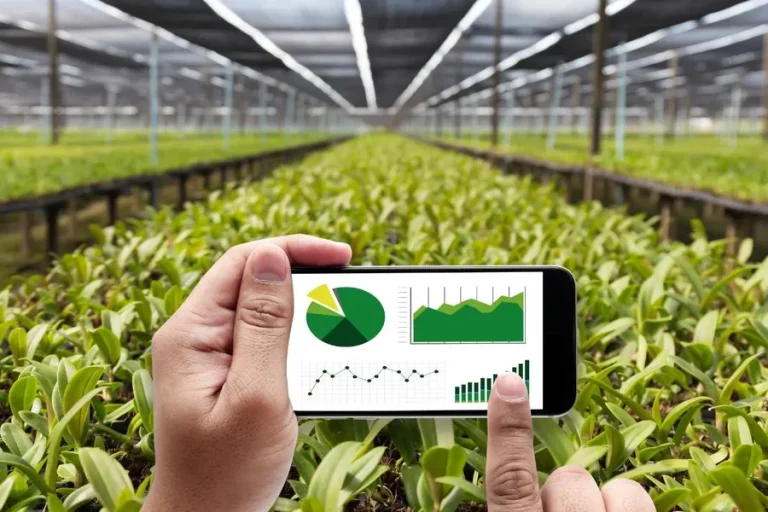
A Practical Guide To Smarter Farm Decisions And Steady Growth
Farming today asks more from people than ever before. Costs shift fast. The weather remains uncertain. Markets move without warning. Many farmers feel stuck between doing what worked before and trying something new without clear proof. That is why this guide exists. We want to talk plainly about better planning, better choices, and steady progress that fits real farms, not theory.
This article breaks down how farms can think like strong businesses without losing the heart of farming. We will cover what planning really looks like, how numbers can guide daily work, and why clear goals matter more than quick wins. The aim is simple. Help farms stay stable, grow with care, and avoid costly guesswork. When teams lean on advice such as farm business consultancy, planning starts to feel less heavy and more useful.
We will walk through steps you can understand and use right away. No jargon. No sales talk. Just clear ideas that help you see your farm as a system that can improve year after year. By the end, you should feel calmer about your decisions and more confident about your next steps. That confidence is the real win.
What Farm Business Consultancy Means For Everyday Farm Planning
Farm business consultancy is not about fancy charts or long reports. It is about helping farms see the whole picture. You look at income, costs, labour, and land together, not in pieces. This allows farmers to spot leaks before they grow.
Planning starts with simple questions. Where does money come from? Where does it go? What areas feel tight each season? A clear view helps farms choose actions with less risk. It also helps avoid emotional choices during tough months.
Good planning connects daily work to long-term goals. Feeding plans, stocking rates, and labour use all link back to profit and time. When farms see those links, choices feel easier.
Common focus areas include
- Cash flow tracking and timing
- Cost control across seasons
- Labour use and workload balance
- Long-term land use planning
This process gives structure. It does not remove freedom. It supports smarter freedom.
How To Use Farm Data Without Feeling Overwhelmed
Numbers scare many farmers. That is normal. The key is using only what matters. You do not need perfect data. You need valid data. Start small and stay steady.
Focus on a few core numbers. Track them often. Over time, patterns appear. Those patterns guide better choices than guesswork ever could. Even simple records can reveal hidden costs or missed chances.
Data should answer clear questions. Is this paddock paying its way? Is feed cost rising faster than output? Are labour hours matching returns? These answers support calm decisions.
Helpful data habits include
- Weekly notes on costs and outputs
- Simple profit per hectare checks
- Seasonal comparisons year to year
- Clear records kept in one place
Used right, data feels like a tool, not a burden.
Why Clear Goals Matter More Than Bigger Yields
Many farms chase yield first. That can backfire. More output does not always mean more profit. Clear goals keep farms focused on what truly matters.
Goals should be simple and written down. They guide daily work and extended plans. Without them, farms react rather than lead. With them, choices line up and stress drops.
Reasonable goals balance money, time, and lifestyle. A farm that earns well but drains energy will not last. Clear goals protect both income and people.
Strong goal setting often includes
- Income targets that fit the system
- Work hours that stay realistic
- Land use plans over several years
- Risk limits during poor seasons
Goals act like a compass. They keep farms steady even when conditions change.
How Long-Term Planning Reduces Risk And Stress
Short-term fixes feel tempting. Long-term plans feel safer. When farms plan, surprises hurt less. Cash gaps shrink. Considerable costs stop shocking the system.
Planning allows farms to test ideas on paper before putting them into practice. What happens if feed prices rise? What if stocking drops? Seeing outcomes early saves pain later.
Long-term thinking also builds confidence. Farmers know why they make choices. That clarity lowers stress during busy seasons.
Long-term plans often cover
- Three to five-year cash flow views
- Gradual system changes
- Backup plans for poor seasons
- Investment timing and limits
Planning does not lock farms in. It gives options.
A Clear Path Forward For Farms That Want Stability
Farming will always carry risk. That will not change. What can change is how prepared you feel. Thoughtful planning, clear goals, and simple data use bring calm to complex systems.
Farms deserve support that respects their reality. No pressure. No noise. Just clear thinking and steady guidance. When farms choose to plan with care, they protect both their land and their future.
If you want to feel more in control of decisions and less pushed by stress, now is the right time to act. We are ready to help you think clearly, plan wisely, and move forward with confidence. Please take the next step and give your farm the structure it deserves.