
Key Takeaways
Plasma serves as a crucial element in medical treatment, delivering essential proteins that promote healing for patients dealing with conditions like liver disease and clotting disorders.
Every plasma donation significantly influences the lives of local patients, directly enhancing their recovery and alleviating feelings of isolation, ultimately improving their emotional health.
The plasma donation journey consists of multiple steps, including health screenings and care after donation, all aimed at ensuring donor safety and comfort during the experience.
Unlike blood donation, which collects all components, plasma donation focuses solely on plasma, allowing the body to replenish plasma more rapidly.
The plasma donation process is safe, governed by strict protocols that minimize risks and protect the health of both donors and recipients. Any potential side effects tend to be manageable and short-lived.
Financial incentives can encourage individuals to donate, helping sustain a steady flow of this essential resource and benefiting both donors and those in need.
Robust plasma donation programs strengthen community health systems, guaranteeing timely access to treatments while enhancing resilience in times of health challenges, ultimately leading to lives saved.
Maximizing Community Impact: How Plasma Donation Benefits Local Patients
Understanding Plasma's Role in Medical Treatment
In the complex landscape of healthcare, plasma stands out as an invaluable resource. More than just a blood component, it's a reservoir of proteins performing essential functions. For patients enduring liver disease, burns, or clotting disorders, plasma therapy can be a lifesaver. This is because it provides essential antibodies, clotting factors, and albumin, all vital for their recovery. A single donation can generate multiple transformative treatments. It's a perfect blend of science and compassion.
Take the immune-compromised patients, for example. They frequently rely on IgG, the protective antibody found in plasma, which is sourced from donors who have recovered from specific infections. These antibodies provide much-needed support to those fighting various diseases. In New Jersey, a state with many such patients, plasma donation can significantly bolster community healthcare efforts.
How Donors Directly Support Patients in Need
When individuals decide to donate, they're not just performing a good deed; they're partaking in a mission that saves lives. Each donation offers a lifeline to local patients. The impact is both immediate and profound. Donors connect to real-life stories of recovery, resilience, and hope. It’s often easy to overlook how critical a simple act can be, yet consider this: patients awaiting treatment often feel isolated and anxious. By increasing plasma contributions, those feelings start to fade.
The difference made by this choice is astonishing. Donors actively save lives, alleviating suffering through their generosity. They can change the course of healthcare for their community. Each session at a donation center not only bolsters health statistics but also strengthens the fabric of local well-being.
The Plasma Donation Process: What to Expect at ABO Plasma
Step-by-Step Breakdown of Your Donation Day
What unfolds on donation day at ABO Plasma? It’s more than just a quick visit. From the moment patrons enter, experts guide them through the entire process. It starts with a thorough screening where potential donors provide their medical history and undergo a health check. This is crucial for ensuring safety for everyone involved.
- Registration: Completing necessary forms and presenting ID.
- Health Screening: Blood pressure checks and basic health inquiries.
- Blood Sample: Testing hemoglobin levels to ensure eligibility.
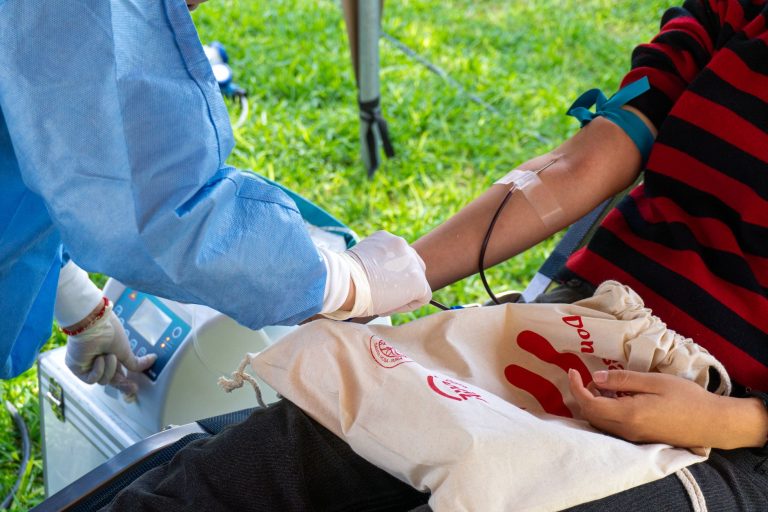
- Donation: Relax and donate for about an hour.
- Post-donation Care: Rest, hydrate, and enjoy some refreshments.
This entire process is supported by a dedicated team focused on maintaining comfort and safety. Evidence suggests that most donors report positive experiences when donating plasma. Coupled with the knowledge that their actions significantly benefit others, the experience transforms into something truly special.
Post-Donation Care: Ensuring Your Well-Being
Following a donation, there are crucial steps to take for post-care. Proper aftercare is essential; it’s a must. Donors should prioritize hydration to help replenish what was given. Rest is equally important. While most individuals return to normal activities quickly, a little downtime can help speed up recovery.
This is generally how post-donation care unfolds:
- Rehydration: Drink plenty of water or sports drinks to rehydrate.
- Nutritious Snacks: Refuel the body with healthy options to regain energy.
- Stay Relaxed: Resting aids the recovery process.
Feeling a bit fatigued afterward is common but usually short-lived. Knowing that this brief commitment makes a significant difference for someone enduring illness fills donors with a sense of purpose.
Opening up the Myths: Debunking Common Misconceptions About Plasma Donation
Plasma Donation vs. Blood Donation: What's the Difference?
Two terms that often cause confusion are plasma donation and blood donation. While they seem alike, they serve different purposes. When one donates blood, all components—red cells, white cells, platelets, and plasma—get collected together. In contrast, plasma donation focuses solely on the plasma component, allowing donors to keep the red and white cells. The body can replenish plasma at a faster pace than blood cells.
Understanding this difference empowers potential donors. Those who choose to donate plasma are contributing to specialized treatments tailored to specific patient needs. It’s an exciting aspect of medical science that plays a direct role in improving healthcare outcomes.
Is Plasma Donation Safe? Insights from Medical Experts
Safety remains a top concern for prospective donors, and medical experts confirm that donating plasma is extremely safe. Procedures in licensed centers follow strict regulations to minimize risks. Maintaining sterility and equipment is a non-negotiable standard. Additionally, infectious disease testing is conducted, addressing safety concerns with solid evidence.
"For every donation, safety protocols are critical to ensuring the health of both donors and recipients." – Medical Expert
Many donors worry about side effects, such as dizziness or bruising. While mild discomfort may occur, it's typically temporary. Recovery often happens quickly, allowing donors to return for future donations within weeks. The essential takeaway? The benefits significantly outweigh any minor, transient discomfort.
Incentives for Donors: Why Your Contribution Matters
Understanding the Benefits of Plasma Donation Compensation
Regarding the financial rewards for plasma donation, many may ponder the real advantage. These incentives are not solely about monetary compensation. They play a significant role in motivating individuals to contribute, helping sustain a consistent supply of plasma needed for treatments. Grasping this dynamic positions plasma donation as a win-win scenario for all involved.
Compensation amounts can vary but generally reflect the value of time and effort put into individual donations. Enhanced financial support can encourage long-term commitments to donor programs. It’s a practical strategy to circulate life-saving resources without compromising quality.
How Donations Enhance Your Community's Health Resources
The impact of plasma donation stretches far beyond medical facilities, influencing lives and shaping entire communities. Strong plasma donation programs can fortify local health resources, allowing for timely access to treatments. When communities promote robust donations, hospitals are better equipped to tackle crises, be they seasonal or unexpected. This proactive approach to health engenders a safety net for entire populations.
- Improved Patient Outcomes: Timely access to plasma therapies enhances recovery rates.
- Community Resilience: Readily available plasma resources prepare the community for health challenges.
- Education and Outreach: Initiatives raise awareness about the importance of donating.
Donors don’t just provide plasma; they cultivate a caring culture. By realizing the collective impact, donors begin to see that their decision ripples through the community. Saving lives becomes part of a larger story, one that embodies true connectedness.
Ultimately, NJ plasma donation serves as a lifeline for the community. Those who choose to donate engage in a meaningful journey toward healing, hope, and comprehensive care. The more donors there are, the stronger the positive impact felt throughout local health ecosystems.
FAQ
What are the eligibility requirements for plasma donation?
Typically, donors must be at least 18 years old, in good health, and weigh a minimum of 110 pounds. Each donation center might have its specific criteria, so checking local guidelines is important before seeking to donate.
How often can someone donate plasma?
Experts generally suggest that individuals donate plasma no more than once every 28 days. This interval allows the body enough time to replenish the plasma volume while ensuring donors remain healthy and eligible for further donations.
Can individuals donate plasma if they have a medical condition?
It largely depends on the specific condition and how it’s managed. Many individuals with controlled conditions can donate, but it’s crucial to discuss any medical history with professionals at the donation center during the screening process.
What types of treatments are derived from plasma donations?
A variety of life-saving treatments can be created from plasma donations, including immunoglobulins for immune deficiencies, clotting factor concentrates for hemophilia, and albumin for burn patients. This versatility highlights the essential role plasma plays in comprehensive healthcare.
Is there any preparation needed before donating plasma?
Donors are primarily advised to stay hydrated and consume a nutritious meal beforehand. Refraining from fatty foods and alcohol the day prior to donation can also contribute to a smoother process and better plasma quality.
How does plasma donation impact patients emotionally?
Many patients experience a deep sense of hope and support knowing that someone has chosen to donate plasma specifically for their benefit. The awareness that others care and are willing to help enhances emotional well-being and nurtures a sense of community connection.
Are plasma donation centers equipped to handle emergencies?
Yes, licensed plasma donation centers have protocols and trained staff ready to address any emergencies that could arise during the donation process. The focus on donor safety remains critical, ensuring a secure environment for all participants.
What role do educational initiatives play in plasma donation awareness?
Education is essential for raising awareness and understanding the importance of plasma donation. Initiatives that promote knowledge about the benefits, processes, and impacts of donation help communities feel more informed and encourage more individuals to participate in this life-saving effort.