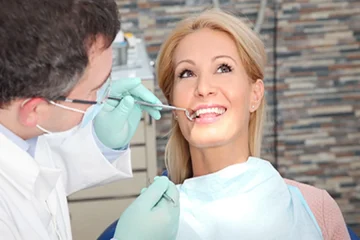
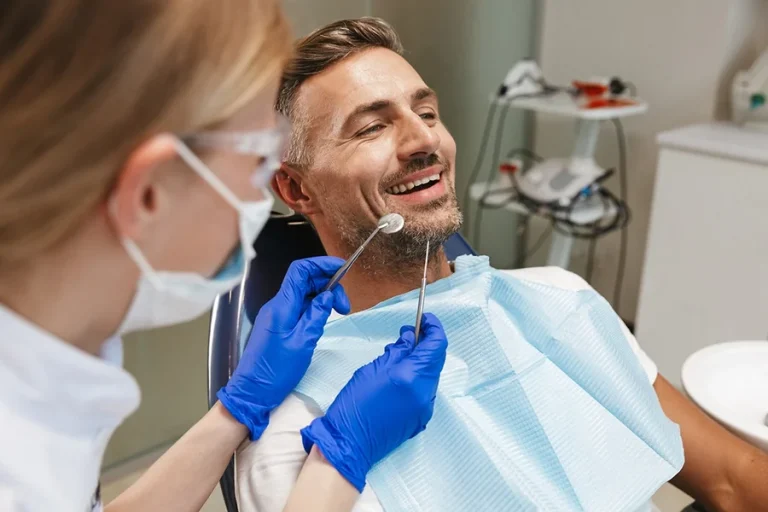
Preventive dentistry matters. You can reduce the risk of oral disease with routine care and smart habits. Skipping these can lead to cavities or gum disease. This isn’t just about a bright smile. It’s about keeping your mouth healthy. Regular visits to a dentist in Antioch can make a big difference. You can catch issues early and save time and money. Brushing twice a day is key. Flossing daily helps too. These small actions can protect your teeth and gums. They provide early warnings of potential problems. You protect more than just your teeth. Your whole body benefits. Healthy teeth can lead to better heart health and less pain. You feel better and live better. Make preventive dentistry a priority. Stay informed and stay healthy. Your future self will thank you for it.
Understanding Preventive Dentistry
Preventive dentistry includes simple but effective practices. These actions maintain your oral health. It involves regular cleanings, checkups, and daily care at home. You can stop problems before they start. This approach prevents serious issues like periodontitis and tooth decay. The goal is to keep your teeth and gums healthy for life.
The Importance of Regular Dental Visits
Regular dental checkups are crucial. You gain more than just a clean mouth. Early detection of oral issues can save your teeth and your wallet. A dentist can spot trouble before it becomes a real problem. This proactive care leads to fewer treatments and lower costs. According to the Centers for Disease Control and Prevention (CDC), untreated cavities and gum disease are common oral problems that regular visits can address effectively.
The Role of Daily Oral Care
Your daily routine is key to preventive dentistry. Brushing and flossing are your first lines of defense. They remove plaque and prevent tartar buildup. Use fluoride toothpaste to strengthen your enamel. Drink plenty of water to wash away food particles. These habits keep your mouth healthy and clean.
Consequences of Neglecting Oral Health
Ignoring oral health has serious consequences. Dental problems don’t just cause pain. They impact your overall health. Gum disease has links to heart disease and diabetes. Poor oral hygiene can lead to infections and tooth loss. This not only affects your appearance but also your ability to eat and speak properly.
Comparison of Preventive vs. Reactive Dentistry
Preventive dentistry focuses on avoiding problems. Reactive dentistry deals with issues after they arise. Here’s a quick comparison:
| Aspect | Preventive Dentistry | Reactive Dentistry
|
|---|---|---|
| Approach | Proactive | Reactive |
| Cost | Lower long-term | Higher due to treatments |
| Focus | Prevention and maintenance | Treatment of issues |
| Outcome | Healthy teeth and gums | Restored but compromised health |
Practical Steps for Better Oral Health
Engage in daily oral hygiene. Use a toothbrush with soft bristles. Brush your teeth twice a day for two minutes each time. Floss at least once a day. These steps remove food particles and bacteria. Limit sugary foods and drinks. They contribute to tooth decay. Replace your toothbrush every three to four months.
Community Resources and Support
Your community offers resources. Local health departments provide affordable dental care. Community clinics offer services to those in need. Use these resources to maintain your oral health. The Health Resources and Services Administration (HRSA) offers information on free or low-cost dental services. Find a clinic near you and make an appointment.
The Impact of Education on Oral Health
Education empowers you to make informed choices. Learn about oral health to improve your practices. Schools and organizations offer programs on dental care. These programs teach the importance of oral health. They encourage habits that last a lifetime.
Conclusion
Preventive dentistry is more than just a concept. It’s a commitment to your health and well-being. By taking small steps, you protect your mouth and your overall health. Visit your dentist regularly. Practice good oral hygiene every day. Understand the benefits of preventive care. Your efforts today lead to a healthier tomorrow. Take control of your oral health now.