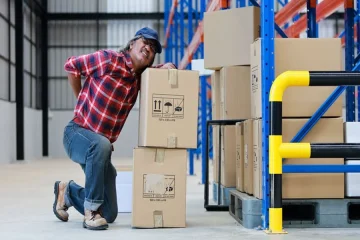
You might be feeling pulled in two directions right now. On one side, you are dealing with pain, missed work, medical bills, and the stress that follows a fall or other injury on someone else’s property. On the other, you may already sense that the scene is changing, memories are fading, and the proof you need could disappear if you wait too long. That tension is real, and it is often the hardest part at the start. Philly Slip and Fall Guys are here to help.
If you are wondering how to gather evidence for a premises liability case, the short answer is this. Focus on the scene, your injuries, the people who saw what happened, and any records that show the owner knew or should have known about the danger. Good evidence can help connect the unsafe condition to your injury and show why the property owner should be held responsible.
Why does evidence matter so much in a slip and fall or unsafe property claim?
Premises liability cases often turn on one question. Can you prove the hazard existed long enough, or was serious enough, that the owner should have fixed it or warned you? That sounds simple until you picture what happens after an accident. A spill gets cleaned up. Ice melts. A broken handrail gets repaired. Security footage is recorded over. Staff members forget details or leave their jobs.
Because of this, collecting proof after a property accident is not just helpful. It can shape the whole claim. If you slipped in a grocery store aisle, for example, it may matter whether there were warning signs, whether employees had inspected the area, and whether anyone reported the same problem earlier that day. If you were hurt in a stairwell with poor lighting, photos taken right away may tell a clearer story than memories shared months later.
And what if the property owner says the danger was obvious, or that you were not paying attention? That is where details matter. Shoes, weather, lighting, camera angles, witness statements, and incident reports can all help show what really happened.
What kind of evidence helps prove a premises liability claim?
Start with the most direct proof. Photos and videos of the exact hazard can be powerful, especially if they show the surrounding area too. Take close shots and wider shots. If there was water on the floor, capture the puddle, the lack of warning signs, and the nearby shelf or cooler that may have caused it. If the issue was a loose step, broken tile, uneven pavement, or poor lighting, document that from more than one angle.
Next, get names and contact details for witnesses. A stranger who saw you fall may be easier to reach on the day of the accident than a month later. Employees can matter too, especially if one admits the area had been a problem before. Write down exactly what each person said while it is still fresh.
Medical records are another key piece. They connect the accident to your injuries and show how serious the harm is. Follow treatment instructions, keep appointment records, save bills, and note how the injury affects your daily life. Pain, lost sleep, missed work, and limits on walking or driving all help paint the full picture.
It also helps to ask whether a report was made. If the property had management, security, or staff on site, request an incident report. If the injury happened at a workplace or involved a dangerous condition tied to safety failures, public safety guidance can help explain why prompt reporting matters. The OSHA reporting requirements show how quickly serious incidents may need to be documented in some settings.
What if the hazard seems common, like a slip, trip, or fall?
Many people worry that their case will be brushed off because slips, trips, and falls happen so often. Yet common does not mean minor, and it does not mean unavoidable. Research from the National Institute for Occupational Safety and Health explains that slips, trips, and falls remain a major source of injury, and its slips, trips, and falls safety information shows how simple hazards can lead to serious harm.
That matters in a claim because common hazards are often known hazards. Wet floors, cluttered walkways, poor housekeeping, bad lighting, and damaged walking surfaces are familiar risks. The CDC and NIOSH also outline prevention steps in this workplace falls prevention guide, which can help show that many property dangers are predictable and preventable.
So, where does that leave you? It means your case may be stronger when the evidence shows not only that you were hurt, but that the danger was one a careful owner should have addressed.
Should you gather evidence yourself or get help from a personal injury lawyer?
| Task | What You Can Do Right Away | What a Personal Injury Lawyer Can Help Obtain |
|---|---|---|
| Scene documentation | Take photos, videos, and notes about time, weather, lighting, and warning signs | Arrange professional site review and preserve evidence before repairs are made |
| Witness information | Collect names, phone numbers, and brief statements | Follow up with formal statements and testimony support |
| Incident records | Ask for a copy of any report made that day | Request internal logs, maintenance records, and prior complaints |
| Video footage | Note where cameras are located and ask that footage be saved | Send preservation letters and demand release of relevant recordings |
| Medical proof | Keep bills, discharge papers, and a pain journal | Organize records to connect the injury clearly to the accident |
There is a reason many people seek legal help early. Some of the most useful evidence is not in your hands. Maintenance logs, cleaning schedules, prior complaints, and surveillance footage are often controlled by the property owner. A premises liability attorney can take steps to preserve and request those records before they vanish.
What are the first three steps you should take now?
- Document everything at the scene. Take photos and video before the condition changes, and include your injuries if visible. Save the shoes and clothing you were wearing, and write down what happened in your own words as soon as you can.
- Get medical care and keep a simple record. Even if you think the injury will pass, get checked. Then keep every bill, diagnosis, prescription, and follow up note. A short daily journal about pain and limits can also help support your claim.
- Ask that evidence be preserved. If there were cameras, make that known right away. If there was an incident report, ask for it. If you are unsure what to request, speaking with a lawyer about evidence for a slip and fall case can help you avoid missing proof that may only be available for a short time.
How do you move forward when the facts still feel blurry?
After an injury on someone else’s property, it is normal to feel shaken, angry, or unsure about what matters most. You do not need to have every answer on day one. What matters is taking steady steps before the details fade. Photos, witness names, medical records, and requests to preserve footage can make a real difference.
If you believe unsafe property conditions caused your injury, consider reaching out to a personal injury lawyer who handles premises liability claims. A calm review of the facts can help you understand what evidence exists, what may still be recovered, and what your next step should be.