
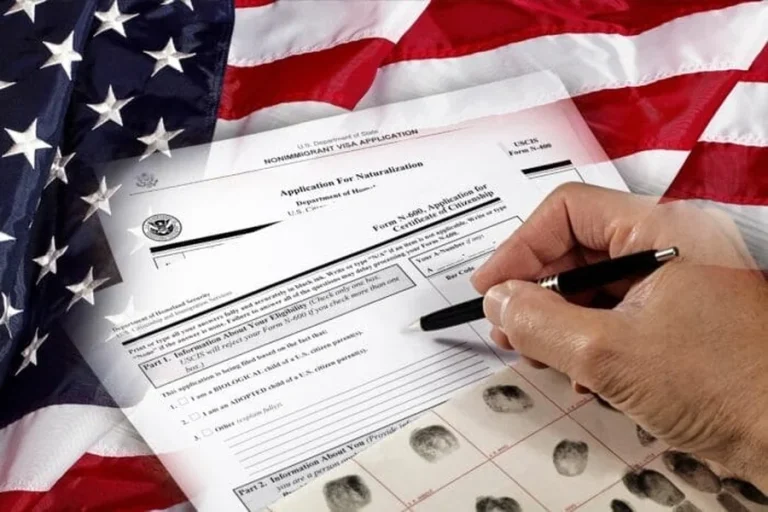
Becoming a U.S. citizen through naturalization is a significant milestone for many immigrants who have made the United States their home. It provides numerous benefits, including the right to vote, apply for federal jobs, and sponsor family members for immigration. While the path to U.S. citizenship can seem daunting, understanding the process and eligibility requirements can make the journey more manageable. This article will guide you through how to get U.S. citizenship through naturalization, covering eligibility criteria, the application process, and tips for success.
What is Naturalization?
Naturalization is the legal process by which a foreign-born individual becomes a U.S. citizen. Unlike birthright citizenship, which is automatically granted to individuals born in the U.S., naturalization requires applicants to meet specific requirements set by U.S. immigration law. Once granted citizenship, individuals enjoy the full rights and responsibilities of a U.S. citizen, including voting, obtaining a U.S. passport, and enjoying legal protections and benefits. For authentic details, visit usaenlinea .com.
Eligibility Requirements for Naturalization
Before applying for naturalization, you must meet several eligibility requirements. The U.S. government has set strict criteria to ensure that applicants have sufficient ties to the U.S., knowledge of American history and government, and an understanding of the responsibilities of citizenship. Below are the key eligibility requirements for naturalization:
- Permanent Resident Status (Green Card Holder)
To apply for naturalization, you must first be a lawful permanent resident (Green Card holder). You must have held your Green Card for a specific period, typically five years. However, if you are married to a U.S. citizen, you may apply after three years of permanent residency, provided you have been living with your spouse during this time.
- Age Requirement
You must be at least 18 years old at the time of filing your naturalization application. However, minors under 18 can derive citizenship from a parent’s naturalization under certain circumstances.
- Continuous Residence Requirement
You must have lived in the United States as a permanent resident for at least five years (three years if married to a U.S. citizen). During this period, you cannot have taken any extended trips abroad, as this could break the continuity of your residence. You must also demonstrate physical presence in the U.S. for at least half of that time (i.e., two and a half years within the five years).
- Good Moral Character
Applicants must show that they have maintained good moral character during the statutory period (usually five years). This means you must have avoided serious criminal conduct, such as committing felonies, crimes of moral turpitude, or offenses related to immigration law violations. The U.S. Citizenship and Immigration Services (USCIS) will evaluate your background, including criminal history, and any previous violations of immigration law.
- English Language Proficiency
You must be able to demonstrate proficiency in English, including reading, writing, and speaking. This is typically assessed through a naturalization test. However, there are exemptions for older applicants (those over 50 or 55 who have been permanent residents for a certain number of years), and for those with certain disabilities.
- Knowledge of U.S. History and Government
As part of the naturalization process, applicants must pass a civics test, which evaluates knowledge of U.S. history, government, and basic principles of the U.S. Constitution. This includes questions on topics such as the U.S. political system, important historical events, and the rights and responsibilities of U.S. citizens.
- Attachment to the Constitution
Applicants must demonstrate that they are attached to the principles of the U.S. Constitution and are willing to support and defend the U.S. government and way of life. This is typically demonstrated through the naturalization oath, where applicants pledge allegiance to the United States.
Steps to Apply for U.S. Citizenship Through Naturalization
If you meet the eligibility requirements, the next step is to file your application for naturalization. The process involves several steps, including filling out forms, submitting documents, attending interviews, and passing tests. Below is a step-by-step guide to applying for U.S. citizenship through naturalization:
Step 1: Complete Form N-400
The first step in the naturalization process is to complete and submit Form N-400, Application for Naturalization. This form requires you to provide detailed information about yourself, including your personal background, residence history, employment, criminal history, and family. You will also need to provide documents supporting your eligibility, such as:
- A copy of your Green Card (Permanent Resident Card)
- Proof of residence (such as tax returns or utility bills)
- Marriage certificate (if applying based on marriage to a U.S. citizen)
- Evidence of good moral character (e.g., police records or court documents, if applicable)
Make sure to fill out the form completely and accurately, as errors or omissions could delay the process or result in a denial. USCIS provides a detailed set of instructions for completing Form N-400, which should be carefully followed.
Step 2: Submit the Application and Pay Fees
Once you have completed Form N-400, you must submit it to USCIS along with the required filing fee (which varies depending on your age and circumstances). The current fee is around $725 (which includes the biometric fee). If you are unable to afford the fee, you may qualify for a fee waiver or reduction based on your income and financial circumstances.
After submitting your application, you will receive a receipt notice from USCIS confirming they have received your application.
Step 3: Biometrics Appointment
After your application is received, you will be scheduled for a biometrics appointment, where USCIS will collect your fingerprints, photograph, and signature. This is to conduct a background check and verify your identity. This step typically occurs a few weeks after you submit your application.
Step 4: Attend the Interview
After your background checks are completed, you will be scheduled for an interview with a USCIS officer. The interview is one of the most crucial steps in the naturalization process. During the interview, the officer will ask questions about your application, residency, and background.
In addition to this, you will take the English and civics tests unless you are exempt. The English test includes reading, writing, and speaking sections, while the civics test asks questions about U.S. history, government, and rights and responsibilities.
You should bring all required documents to the interview, including your Green Card, passport, and any other supporting documentation that may be needed.
Step 5: Wait for the Decision
After the interview, USCIS will notify you of their decision. There are three possible outcomes:
- Granted: If your application is approved, you will be scheduled for a naturalization ceremony where you will take the Oath of Allegiance and officially become a U.S. citizen.
- Denied: If your application is denied, you will receive a written notice explaining the reasons. You may appeal the decision or apply again if the denial was due to a minor issue that can be corrected.
- Continued: In some cases, your interview may be continued if the officer requires more information or documentation. You will be notified of any additional steps needed.
Step 6: Take the Oath of Allegiance
If your application is approved, the final step is to attend a naturalization ceremony, where you will take the Oath of Allegiance to the United States. This oath is a formal pledge to support and defend the Constitution and laws of the U.S. Once you have taken the oath, you will receive your Certificate of Naturalization, making you a U.S. citizen.
Benefits of U.S. Citizenship
Becoming a U.S. citizen offers numerous benefits, including:
- Right to Vote: As a U.S. citizen, you can vote in federal, state, and local elections.
- Ability to Sponsor Family Members: U.S. citizens can sponsor their spouses, children, parents, and siblings for immigration to the U.S.
- Access to Federal Jobs: U.S. citizens are eligible for federal jobs, which may offer higher salaries and better benefits.
- U.S. Passport: U.S. citizens are entitled to apply for a U.S. passport, which grants access to consular protection while traveling abroad.
- Protection from Deportation: U.S. citizens cannot be deported, ensuring greater security and stability for you and your family.
- Eligibility for Public Benefits: U.S. citizens are eligible for a broader range of public benefits, including Social Security and federal assistance programs.
Conclusion
The process of becoming a U.S. citizen through naturalization is a significant achievement for many immigrants. It provides the opportunity to fully integrate into American society and enjoy the rights and privileges that come with citizenship. By meeting the eligibility requirements, submitting the correct paperwork, and passing the interview and tests, you can become a U.S. citizen.
While the naturalization process can take time, persistence, and attention to detail, the benefits of U.S. citizenship make the effort worthwhile. If you are considering applying for U.S. citizenship, make sure to consult with an immigration lawyer or expert if you have any questions or need assistance navigating the process.