
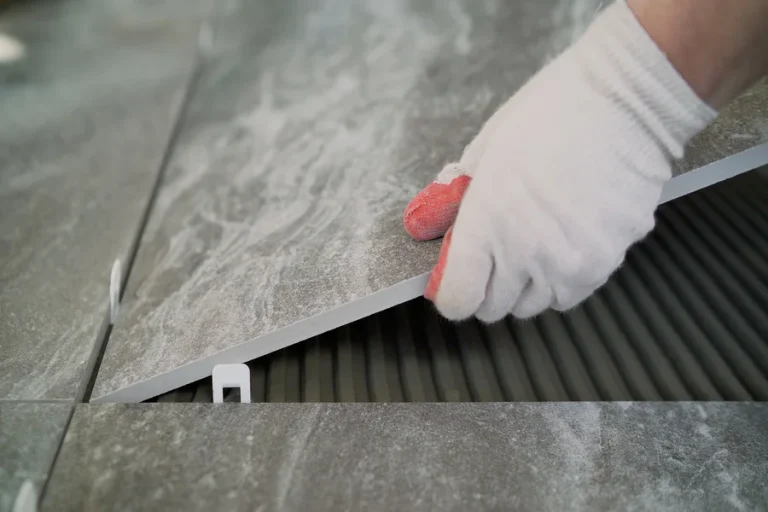
A new tile layout in your bathroom can change not only the way your walls look, but the entire vibe of the room. It’s a great way to make a change in your home without buying a new home or moving to another place. Bathroom installation jobs are usually quick jobs to perform by the experts you hire but in order for them to get it done as smooth as possible you have to do some preparation from your side as well.
King County is a pretty humid place to live in compared to some towns in Arizona where the heat is off the charts. A humid place requires more attention to moisture, that’s why the preparation for a tile job can be slightly different here. The information you will find in this article will help you prepare your bathroom for a long-lasting job that will resist water damage, mold and cracking.
Let’s get into it!
- Assess the Substrate (Subfloor & Walls)
- Examine for even and rigid surfaces. The floors and the shower/tub surrounds must be flat, sound, and rigid. Wooden subfloors must have little bounce or flex (this will require reinforcing the joists or strong underlayment stiffness).
- Strip old finishes. Existing tiles, vinyl, or drywall that is not acceptable must be removed.
- Examine for moisture deterioration, particularly behind tubs/showers, in corners, and under sinks. Spoiled or damp substrate needs replacement. Waterproof drywall or cement board will usually be required for the wet regions.
- Moisture Control & Waterproofing
- Put in waterproof membranes or backer boards. Use cement boards or other approved backer materials in “wet areas” including shower and tub walls along with their associated waterproof membranes or waterproof pans. Confirm that backer board waterproofing is uninterrupted and gapless.
- Seal joints & transitions. Use proper flashing seal and caulk to close moisture penetrable areas where materials join (floor to wall, tub to wall, around windows, and niches).
- There must be an adequate outside-discharge fan for complete long-term moisture, humidity, and mold control.
- Planning and Layout
- Choosing tiles and accessories. Tiles that can withstand wet and humid environments such as porcelain and naturally sealed stones should be considered. The dimensions of the tiles determine the number of cuts, as well as waste management.
- Where applicable, dry tiles, design the spacing of grouts, and choose patterns (straight, diagonal, herringbone, etc.) that use less of the tiles and guarantee balance.
- Order extra tile. The 10-15% patterns are more complex and entail more cuts; waste, cuts, and breakage should always be estimated.
- Site Prep
- Clear out furnishings. The installers should be able to come in and have full access to the work area with the vanities, cabinets, the toilet (if its movable), shower doors and such removed.
- Cover space not being worked on. Other rooms should be restricted to lessen dust. Tiled floors that will not be worked on should be covered.
- Confirm all services are accessible. There may be electric work involved if heated floors or lights are installed. Water valves, drainpipes, and possibly electric services should be available.
- Check the available lighting. Lighting should be enough to see details; thus, more temporary lighting should be installed.
- Schedule & Permits
- Review area construction regulations and permit requests. The town most certainly has rules related to waterproofing, ventilation, construction permits, and inspections.
- Book the contractor in advance. Good remodeling contractors are busy, and confirming the starting date seems to avoid gaps in the schedule.
- Drying time between the layers should also be factored in. Mortar, adhesive, and grout require some time to properly set. If installed too early, there is a significant risk that the entire structure will fail.
How the Season (Time of year) Influences Cost & Scheduling in
The Firm Remodeling company in Kent, WA, states that frequent weather changes in this area is influencing the cost, and the practical constrains of tile work. Here are a few factors to keep in mind:
| Season | Typical Weather / Conditions | How it Affects Tile Work | Impact on Cost / Scheduling |
| Late Spring through Summer (≈ May–September) | Warmer, drier, longer daylight, less humidity (though still some), less rain. | Ideal conditions for construction, especially when drying moisture‐sensitive materials. Easier to keep work site dry. Better ventilation (open windows). | Higher demand for contractors → prices tend to rise. Material delivery can be faster. More competition for scheduling. If not booked early, you may pay a premium. But work tends to proceed more smoothly, with fewer weather‐related delays. |
| Fall | Cooling temperatures, increasing rain, more humidity, shorter days. | More moisture intrusion risk; more care needed for waterproofing; longer drying times; limited hours of daylight. | Costs may begin to creep up slightly due to potential delays. Contractors may be less busy after peak summer, so sometimes better availability or better deals. But must allow buffer time for weather delays. |
| Winter (≈ November–March) | Cold, frequent rain, dampness, less daylight, more humidity. Ground and exterior surfaces may be wet. Interior humidity can spike. | More risk that moisture will affect curing of adhesives, grout, setting materials. More preparation needed to keep interiors dry; possible use of heaters or dehumidifiers to maintain proper moisture conditions. Use of winter‐rated mortars / adhesives may be required. | Higher costs due to added work (drying, climate control), potentially higher material cost for special adhesives or membranes. Labor may be slower (shorter work days, delays). Also, fewer days with good weather can lead to schedule stretching. On the flip side, contractor rates might be lower or more negotiable, due to less demand. Permits may still be processed, but scheduling inspections might take longer due to holidays/low staffing. |
Practical Cost Implications & What You Should Budget
The cost for tile installation will vary but expect to pay around $5 to $15 per square foot for basic installation, including labor and materials, with higher costs for complex jobs or expensive tile types. The final price will depend on factors such as the type and quality of the tile, the size and complexity of the area, the condition of the subfloor, the need for demolition and removal of old flooring, and the contractor’s labor rates.
The distinctive expense of different operational systems always revolves around the installation of types of materials, the cost of labor, breadth of the final product, and the scope of the associated activities required. In the specific case of King County, seasonal variations also contribute to the difference in overall performance.
- Material costs. Certain adhesives, grout, membranes manufactured for winter and damp conditions may be higher in price. Shipping materials in peak months may also entail higher costs.
- Operating costs. Peak contractors. Operating cost in winter may also cost more than the favorable price as contractors are simply unable to cope.
- The period of coverage. Heavy rain and unfavorable conditions prolong working in tandem with fog.
- Supplementing protection and controlling the climate. You may need to control over dehumidifiers, block surfaces with additional head, and increase working surfaces.
- Delays in payment and repetition. During peak or festive seasons, permits take longer to process. Delays may also cost more.
Conclusion
So, preparation is very important. Tile installation might sound like an easy thing to get done, but if your bathroom isn’t ready for it, you might end up with extra charges, extra time and frustration. Another thing you should keep in mind is the season you choose to do the installation. Summertime usually is the best time of the year for such projects, but the problem with summer is that most of the contractors are busy and if you haven’t booked any company in advance, you might sendup waiting longer than expected. Fall and winter are considered good times too but there is a higher risk of moisture and longer drying times. But again, with proper preparation you can pull it off with no problem. Tile work is an interior type of job; this isn’t a roof replacement or an exterior painting job. So, make sure to prepare for it properly and go for it.