

Stuck robot vacuums interrupt cleaning cycles, disrupt routines, and create extra work instead of saving time. Many homes have small design details—like uneven transitions, loose fabrics, or narrow gaps—that unintentionally challenge automated cleaning. When these issues repeat daily, they affect both the machine’s efficiency and its long-term lifespan. Small adjustments in the home layout and device care can dramatically reduce interruptions and help the robot move with greater confidence. In this article, readers will learn practical ways to prevent frequent stuck incidents and maintain smoother cleaning paths.
Conduct a “Stuck Audit”: Identify the Usual Culprits
Top Physical Obstacles That Trap Most Vacuums
Common trouble spots tend to appear in areas where furniture spacing or floor transitions create narrow passageways. Low-profile objects such as small toys, shoe edges, or floor vents can easily lift a wheel off balance, causing cleaning cycles to halt. High-pile rugs may also catch rotating brush ends, especially where edges curl upward after regular foot traffic. Rooms with multiple chair legs or irregular angles often provide small gaps that are just tight enough to snag a robot vacuum. Identifying these patterns early makes it easier to adjust layouts and avoid repeat interruptions.
Loose Cables and Low-Hanging Drapes
Cables on the floor act like traps by wrapping around wheels or dragging under the chassis, stopping the device mid-run. Power cords, charger wires, and even headphone cables can easily become entangled if they are left in open pathways. Drapes, blankets, or long clothing hems that reach the floor can also sway into the robot’s cleaning path and catch on the brushes. These soft obstacles may not seem serious, but even light friction can confuse sensors and cause directional errors. Addressing these hazards helps the robot glide more predictably through each room. Taking a quick scan of the floor before each session ensures these small but disruptive items don’t undermine the cleaning cycle.
Simple Decluttering and Adjustments
A small amount of proactive organization can significantly improve navigation and reduce stuck events. Raising curtains, securing cables, and moving lightweight objects out of high-traffic areas give the vacuum a clearer path. Furniture spacing adjustments, even minor ones, help prevent situations where the robot wedges itself under chairs or between table legs. Rooms with deep carpets may require shifting rugs or flattening curled edges to reduce snag points. These simple steps create a smoother landscape that supports uninterrupted, hands-free cleaning sessions.
Optimize Your Vacuum’s Settings for Your Floor Plan
Setting Effective No-Go Zones and Virtual Walls
Most robot vacuums allow digital boundaries that block access to areas where problems frequently occur. Marking under-desk cable clusters or around delicate objects prevents unnecessary rescues during each cleaning run. These virtual barriers help guide the robot toward open spaces where navigation is simpler and more efficient. Keeping these zones updated as the home layout evolves ensures they continue to offer meaningful protection. Regularly reviewing these boundaries also helps you spot new trouble areas before they cause repeated interruptions.
Adjusting Cleaning Modes for Cluttered or Tight Spaces
Different cleaning modes influence how aggressively the vacuum moves and how closely it approaches obstacles. Slower or quieter modes may offer gentler turns and reduce collision risks in crowded areas. The choice of mode directly determines the robot’s responsiveness to dynamic changes in the environment. Homes with narrow walkways benefit from modes that prioritize controlled navigation over maximum suction. Switching modes when clutter increases—such as after children finish playtime—helps the robot adapt to temporary challenges. Matching the mode to the environment ensures steady progress without sacrificing efficiency.
Routine Maintenance That Prevents Stuck Incidents
Keeping Sensors and Wheels Clean
Dust buildup on sensors can make the robot misinterpret nearby objects or fail to detect narrow openings. Wiping these sensors regularly helps maintain accurate path detection and smoother directional control. Establishing a weekly cleaning routine for these components can significantly enhance operational reliability. Wheels also require inspection because wrapped hair or fine debris can restrict their rotation. When wheels move freely, the robot can correct its path and avoid unnecessary lockups. Consistent maintenance supports dependable movement and reduces interruptions that would otherwise require manual intervention.
Checking and Adjusting the Cliff Sensor Sensitivity
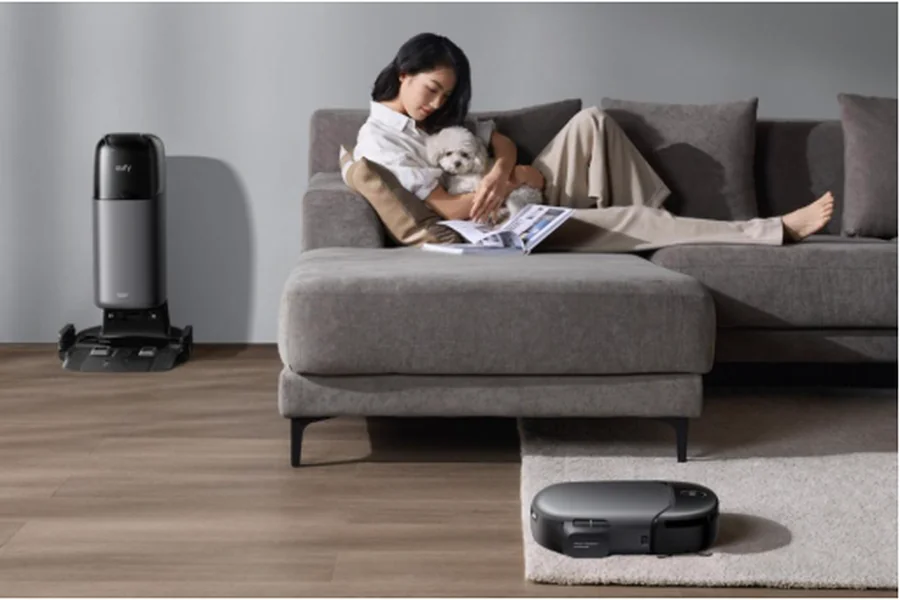
Cliff sensors prevent falls but can mistake dark floors for drops, causing unnecessary stops. Cleaning or adjusting sensitivity often helps. For persistent issues, consider vacuums with smarter sensors — like some eufy models, which use refined algorithms to navigate dark surfaces more reliably, reducing false alarms and keeping cleaning on track. Ultimately, addressing this through maintenance or technology upgrade ensures seamless cleaning across all floor types.
Conclusion
Preventing stuck incidents comes down to a blend of smart preparation, tailored settings, and consistent maintenance. Identifying physical obstacles and making small adjustments ensures that daily cleaning routines run more smoothly. Optimizing navigation settings helps the robot adapt to changing room layouts and unique home challenges. Regular care keeps the device moving with accuracy, reducing the chances of mid-cycle stoppages. With these strategies, households can enjoy the full convenience of automated cleaning without constant rescue missions.