In the ever-evolving landscape of education, the terms “online class” and “online classes” have become almost synonymous with modern learning. However, while they might seem interchangeable at first glance, there are subtle yet significant differences between the two that can impact your educational journey. Whether you’re a student contemplating the best option for your needs or a professional looking to expand your knowledge, understanding these differences is crucial.
In this article, we’ll delve into the nuances of an online class versus online classes, helping you make an informed decision on which path aligns with your goals. And if you’re considering seeking online class help to manage your workload effectively, this comparison will guide you in determining what kind of assistance you might need.
Defining the Terms: Online Class vs. Online Classes
What Is an Online Class?
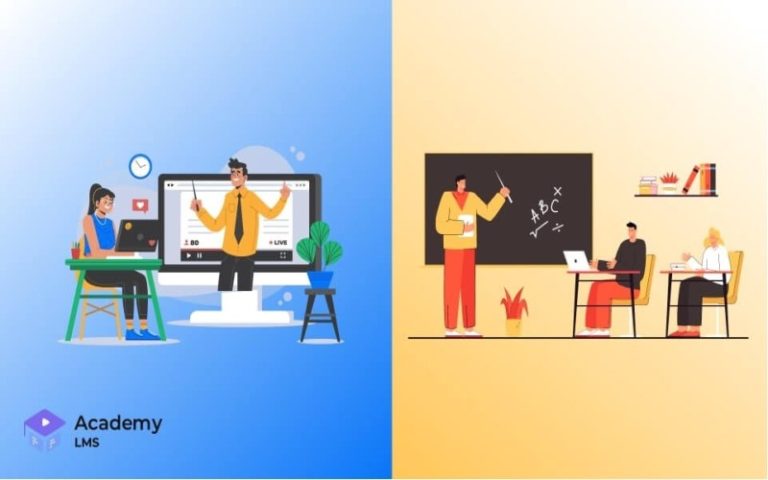
An online class refers to a singular, often standalone course that you can take virtually. It is designed to provide comprehensive knowledge or skills in a specific subject. Online classes are typically self-contained and can range from short workshops or seminars to more extensive courses that last several weeks or even months.
For example, you might enroll in an online class on digital marketing, which covers everything from the basics of SEO to advanced strategies for content marketing. The course is structured, with a clear beginning and end, and usually includes a syllabus, assignments, assessments, and a final evaluation or certification.
What Are Online Classes?
On the other hand, the term “online classes” is more encompassing. It refers to a series of courses or a full curriculum offered online, often as part of a larger educational program. Online classes are usually connected, meaning that they build on each other to provide a more extensive education in a particular field.
For instance, a degree program in business administration might include a series of online classes, covering subjects like economics, management, finance, and marketing. These classes are interconnected, and completing them all is necessary to earn your degree or certification.
The Core Differences
- Scope and Depth:
- An online class is focused on a single subject or skill, offering deep but narrow expertise.
- Online classes, collectively, provide a broad and comprehensive education in a particular discipline.
- Flexibility and Commitment:
- Online classes are generally less demanding in terms of time and commitment since they focus on one topic.
- Online classes, as part of a series or program, require a longer-term commitment and more time management to complete the entire curriculum.
- Learning Goals:
- If your goal is to acquire a specific skill quickly, an online class might be the best choice.
- If you’re aiming for a broader education or a degree, online classes within a program will suit your needs better.
- Certification and Accreditation:
- Individual online classes may offer a certificate of completion, but these are often not as comprehensive or recognized as those from completing an entire series of online classes in a program.
- Online classes within a degree or certification program usually culminate in an accredited qualification.
Advantages and Disadvantages
Online Class: Pros and Cons
Pros:
- Focused Learning: Since the course is concentrated on one topic, you can master it without distractions.
- Time-Efficient: Online classes are typically shorter in duration, allowing you to gain knowledge or skills quickly.
- Lower Cost: Enrolling in a single online class is usually more affordable than committing to a full program.
Cons:
- Limited Scope: While you may gain deep knowledge in one area, it may not cover related topics or provide a holistic understanding of a subject.
- Less Recognition: Certificates from standalone online classes might not hold as much weight in the job market compared to degrees or certifications from a series of online classes.
Online Classes: Pros and Cons
Pros:
- Comprehensive Education: Online classes, as part of a series or program, offer a well-rounded education in a particular field.
- Career Advancement: Completing a full series of online classes can lead to a degree or certification, which is often necessary for career progression.
- Networking Opportunities: Engaging in a series of online classes with the same group of students can foster connections and networking opportunities.
Cons:
- Time-Consuming: The commitment required for completing a series of online classes is significant, which may be challenging for those with busy schedules.
- Higher Cost: Enrolling in multiple online classes or a full program can be more expensive than taking a single online class.
Choosing the Right Path
Assessing Your Goals
When deciding between an online class and a series of online classes, the first step is to assess your goals. Ask yourself:
- What do I want to achieve with this education?
- Am I looking to gain a specific skill or a broad understanding of a field?
- How long and cash am I able to contribute?
If your goal is to quickly acquire a specific skill, such as learning how to use a particular software or understanding the basics of a new subject, an online class is likely the best choice. On the other hand, if you’re aiming for a career change, seeking a promotion, or wanting a deep dive into a particular field, enrolling in a series of online classes as part of a broader program will be more beneficial.
Considering Your Schedule
Time is another critical factor. Online classes require less time commitment and are often self-paced, making them ideal for those with tight schedules. However, if you have the time to dedicate to a more comprehensive program, the investment in a series of online classes can pay off in the long run.
Evaluating the Costs
Cost is always a consideration when it comes to education. Standalone online classes are generally more affordable, making them accessible to a broader audience. However, if you’re looking at long-term career benefits, the higher cost of a full program might be justified by the enhanced opportunities and recognition it offers.
Getting the Most Out of Your Online Learning Experience
Whether you choose an online class or a series of online classes, maximizing your learning experience is essential. Here are some tips to ensure you get the most out of your online education:
- Remain Coordinated: Monitor cutoff times, tasks, and course materials. Use digital tools like calendars and task managers to stay on top of your work.
- Engage Actively: Participate in discussions, ask questions, and interact with your instructors and peers. Active engagement can enhance your understanding of the material.
- Apply What You Learn: Try to apply the knowledge and skills you gain in real-world situations. This could be through projects, internships, or even personal experiments.
- Seek Help When Needed: If you find yourself struggling with the course material, don’t hesitate to seek online class help. Whether it’s tutoring, study groups, or professional assistance, getting help can make a significant difference in your success.
- Stay Motivated: Online learning requires self-discipline and motivation. Set small, achievable goals to keep yourself motivated throughout the course.
Conclusion
Making the Right Choice
In conclusion, the decision between an online class and online classes depends largely on your personal goals, time availability, and financial considerations. Both options have their advantages and disadvantages, and the best choice will vary depending on your individual circumstances.
If you need a quick, focused education on a particular topic, an online class might be the perfect solution. However, if you’re looking to make a substantial investment in your education and career, a series of online classes within a broader program will offer more comprehensive benefits.
Whichever path you choose, remember that online learning is a flexible and powerful tool that can open doors to new opportunities. With the right approach and resources, just like Scholarly Help, from where you can achieve your educational goals and advance your career in a way you never thought possible.