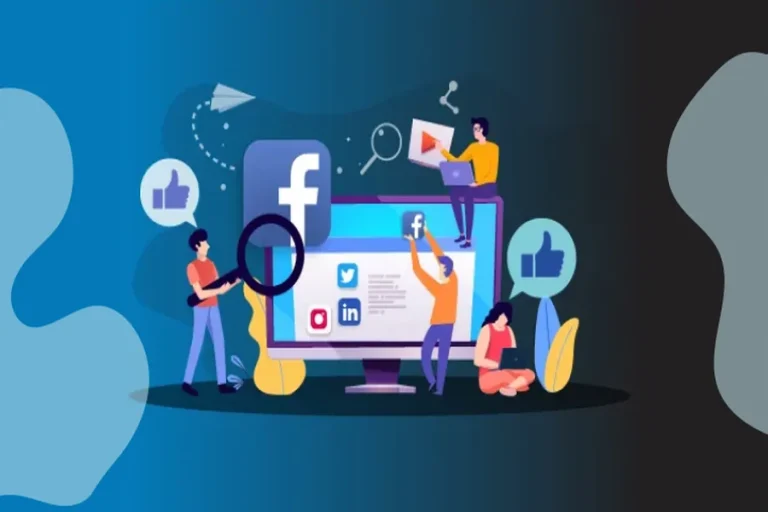
Social media these days is way more than just a place to share cat videos or your holiday beach pics. It’s this huge, constantly moving global chatroom — a kind of virtual town square where people share ideas, opinions, random thoughts, and yes… sometimes even gossip — all in real time. With almost half the world on social media every month, it’s become one of the biggest spaces for sharing experiences, shaping what people think, and even pushing them toward buying decisions.
What is social media monitoring?
Social media monitoring is about keeping track of online conversations that matter to your brand.
But it’s not just about checking your notifications and calling it a day. A proper monitoring setup catches things like:
- Direct mentions of your company
- Comments on your posts
- Conversations where you’re not tagged, but still being talked about
- Chatter about your products or services
- Industry talks that might affect how people see you
- Competitor shoutouts or activities
The big goal here? To see how your brand is being perceived, spot potential problems early, and use those real-time insights to engage customers, adjust your strategy, and grab new opportunities.
Social media monitoring vs Social listening
People often mix these up, but they’re not exactly twins. Think of them as cousins — related but with different personalities.
Social media monitoring
This is more of a reactive approach. You’re keeping an eye on brand-related conversations so you can respond fast.
Key traits:
- Responds to mentions, comments, and DMs as they pop up
- Looks at numbers (likes, shares, retweets, etc.)
- Focuses mainly on social platforms
- Answers: “What are people saying?”
Social listening
This is more of a proactive and strategic approach. You’re zooming out and looking at the bigger industry picture, often using social listening tools to pick up insights beyond surface-level mentions.
Key traits:
- Spot upcoming trends, risks, and opportunities
- Understands emotions, context, and tone
- Goes beyond social media — includes blogs, forums, news sites.
- Answers: “Why are they talking, and what does it mean?”
In short:
- Monitoring = tells you what’s happening
- Listening = explains why it’s happening.
Put together, they give you the full story.
Why social media monitoring matters for businesses
- Brand reputation management
Your reputation is everything. Real-time monitoring helps you notice sudden spikes in negativity before it blows up into a full-on PR disaster.
- Customer engagement & support
People expect quick responses these days. Monitoring makes sure you don’t miss questions, complaints, or even compliments.
- Competitive intelligence
By watching your competitors, you can learn from their wins and mistakes — and spot market gaps you can jump into.
- Crisis prevention & management
One viral negative post can cause chaos. Monitoring works like an alarm system, so you can take action before things get ugly.
Key pieces of social media monitoring
- Tracking mentions & keywords – Keep tabs on your brand name, product names, hashtags, and even industry phrases.
- Sentiment analysis – Figure out if people are being positive, negative, or just neutral about you.
- Influencer identification – spot key voices who can influence your industry.
- Content performance tracking – See what posts people engage with the most and use that to shape your content.
Creating your social media monitoring plan
Now that we’ve already talked about why monitoring is important… let’s get into the how. If you want your social media monitoring to actually give results, you gotta do it smart. Here’s how you can set up a solid plan that works.
- Define your goals
First things first — know exactly what you want from this. Are you tracking brand mentions? Wanna see customer mood? Keeping an eye on competitors? Or maybe spotting new industry trends? If you’re clear about this from the start, the rest of the plan will be way easier to figure out. - Pick the right keywords
This part’s super important. Don’t just stick to your brand name — think bigger. Add industry terms, competitor names, popular slogans, hashtags, maybe even names of your team members (yep, people talk about individuals too). This w, ay you won’t miss important conversations floating around online. - Choose the best tools
The tool you pick makes a big difference. Look for stuff like real-time tracking, sentiment analysis, reports you can customize, multi-platform support, and easy-to-read visuals. Basically, a tool that doesn’t make your life harder. - Monitor and actually interact
Once everything’s set, start watching what’s happening — social media, forums, blogs… all of it. But don’t just sit there like a ghost. Reply to questions, handle complaints fast, and join in on chats. That’s how people actually start trusting your brand. - Watch your competitors
Yep, keep tabs on what they post, how people engage with them, and what strategies they’re using. This is where social media competitor analysis becomes a goldmine — it shows you what’s working for them and what you can improve on. - Check your findings
Don’t just collect data for the sake of it. Look at it regularly to find patterns and trends. Are your followers growing? Are people engaging more? Is website traffic improving? This will show you what’s actually working and what’s… well, not. - Share what you learn
The info you collect isn’t just for the marketing team. Customer service, sales, product development — they all can use it. A single comment from a customer might inspire a better ad campaign or even a new feature in your product. - Work with influencers
Use monitoring to find people who already have an audience that fits your brand vibe. Connect with them, create content together, and use their reach to get more visibility and followers. - Set benchmarks
Before you go too deep, set your starting numbers. Then keep tracking your progress against them. This way, you’ll know if you’re actually improving or just going in circles. - Keep tweaking
Social media changes faster than you think. So your monitoring plan can’t just be “set it and forget it.” Keep checking, keep adjusting, and don’t be scared to try new things when your data shows you need to.
Final thoughts
Social media monitoring isn’t optional anymore — it’s a must-have if you want to protect your brand, understand your audience, and keep up with competitors. And when you mix it with social listening, it’s not just about reacting — it’s about shaping the conversation itself.
Listen well, engage genuinely, and act smart. That way, every tweet, comment, and post could be an opportunity to strengthen your brand and even win more customers, as highlighted by boring news.