
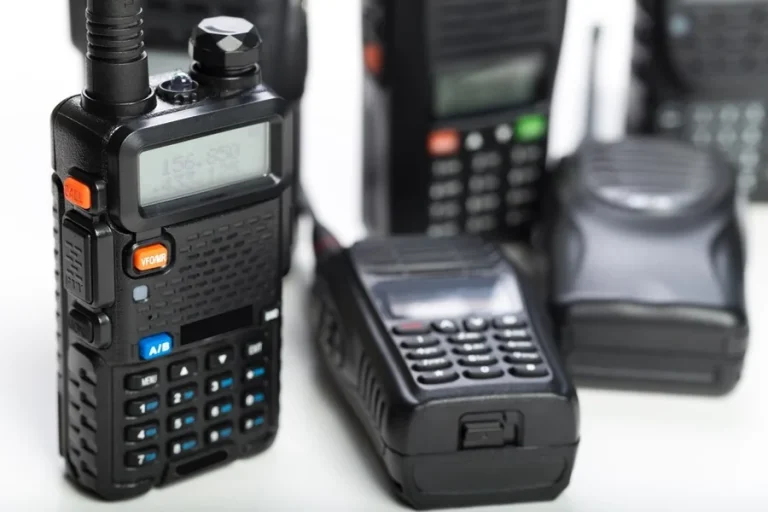
There was a time when two-way radios were the peak of tech cool. Clunky, rugged, and analog, they were the go-to gadget for security teams, warehouse workers, and anyone else who needed to say something right now without waiting for a dial tone.
Fast-forward to today, and those chunky devices of the past? Practically antiques.
Modern users expect their communication tools to be faster, smarter, clearer, and more integrated—because “just working” isn’t good enough anymore.
Let’s take a look at how two-way radios have evolved—and what users now demand from this still-essential piece of gear.
From Analog Grunt Work to Digital Intelligence
Classic radios ran on analog frequencies. They were reliable (most of the time), but came with drawbacks—static, limited range, cross-channel chatter. If someone dropped their unit in a puddle or stepped out of line-of-sight? Game over.
Today’s digital two-way radios eliminate those pain points:
- Crystal-clear audio, even in noisy environments
- Encrypted channels, for secure conversations
- Automatic background noise reduction
- Better battery performance under heavy use
Digital also means data. You’re no longer just sending voice—you’re enabling GPS tracking, real-time alerts, and even file sharing in some advanced systems.
Because in 2024, if your radio can’t multitask… it’s getting left behind.
Range: From Warehouse to Nationwide
The old rule? Radios were great—if you were within a few miles and had a clear signal path. Go underground, into a stairwell, or beyond the parking lot? You’d be lucky to get a word out.
Modern users expect nationwide reach, and they’re getting it—thanks to Push-to-Talk over Cellular (PoC) and Wi-Fi-enabled radios.
This tech taps into 4G LTE and broadband networks to extend range across cities, states—even across the country. All while maintaining the core two-way radio experience: push, speak, release.
Want to coordinate your team from New York to Nevada? Now you can. No towers, no licensing headaches, no problem.
Smart Features Built for Real-World Work
A button and a speaker used to be enough. Not anymore.
Today’s two-way radios are expected to come loaded with smart functionality, like:
- Location tracking for mobile teams
- Emergency alert buttons for fast response
- Text messaging and image support in some models
- Hands-free VOX mode (voice-activated)
- Talk group management for multi-department comms
It’s not just about voice. It’s about visibility and control.
For industries like logistics, security, healthcare, and field services, these aren’t perks—they’re requirements.
Durability and Battery Life: Still Deal Breakers
Some things never change.
Modern users still expect their radios to be:
- Drop-proof (within reason)
- Weather-resistant or fully waterproof
- Able to last a full 12-hour+ shift on a single charge
If your radio dies halfway through an event or shatters from one fall onto concrete, it’s not “tough”—it’s a liability.
Today’s gear doesn’t just talk smart—it has to survive smart, too.
Integration with Other Systems
Two-way radios used to live in their own silo. Now? They’re part of the bigger tech ecosystem.
Users expect:
- Integration with dispatch software
- Compatibility with smartphones and tablets
- Cross-platform Push-to-Talk apps
- Remote device management and updates
In a world of connected everything, your radios need to play nice with the rest of your tools.
Final Thought: Same Job, Smarter Tools
Two-way radios aren’t going away—they’re just evolving alongside the industries that rely on them.
The job is still the same: real-time, reliable, clear communication. But the expectations? Higher than ever.
So if your radios still sound like a CB from 1996, maybe it’s time to rethink your setup.