
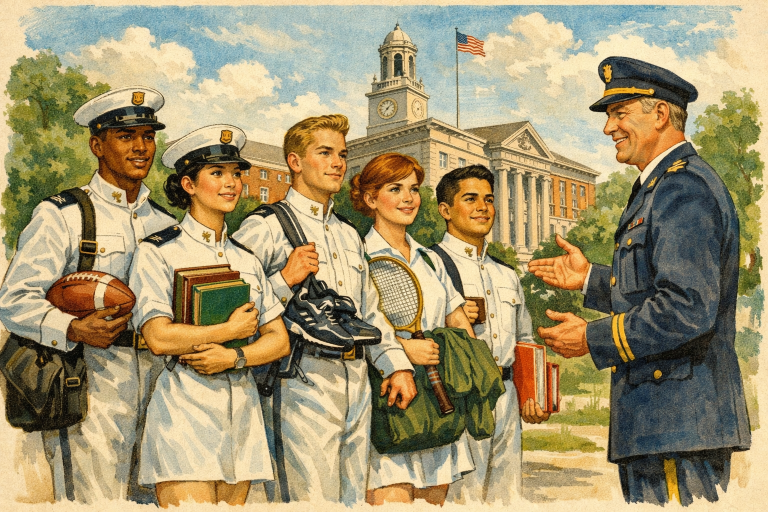
The Role of Discipline in Academic Achievement
Discipline is a foundational aspect of military education, equipping students with the structure needed to thrive academically. In this educational setting, attendees follow strict timetables designed to balance coursework, physical activities, and personal development. This structured environment helps students refine their time management skills and build a robust work ethic. Such skills are vital for achieving optimal performance both in and outside the classroom. Students seeking a transformative summer experience can consider a program like the MMA summer camp VA, which integrates these values into its curriculum.
A disciplined milieu also creates a culture of accountability and responsibility among students. Cadets are taught the importance of completing tasks on time and upholding high standards in every area of their lives. Through daily habits, such as maintaining personal appearance and punctuality, military school students build the focus required for continued academic success.
Over time, these structured daily routines turn into lifelong habits that extend far beyond school walls. Students who adapt early to these high standards often find themselves better equipped to handle the pressures of both higher education and careers in demanding professions. Many former cadets credit these routines with enabling them to remain organized and composed, even in fast-paced or high-pressure environments, underscoring the real-world benefits of disciplined instruction. This approach provides a clear framework for personal growth while simultaneously allowing students to set and achieve ambitious academic and career benchmarks.
Building Resilience Through Structured Environments
The environment in military schools is purposefully designed to be demanding. Students are often encouraged to meet high expectations in academics, athletics, and extracurricular activities. This system exposes them to challenges that foster inner strength and adaptability. Facing obstacles in a supportive but disciplined framework allows cadets to develop the resilience needed to overcome adversity and stay motivated.
Notable programs such as the National Guard’s Youth ChalleNGe Program have demonstrated clear links between a disciplined atmosphere and improved performance, producing meaningful gains in self-discipline and perseverance. These changes benefit cadets both in their academic efforts and in their broader personal growth, according to research highlighted in Taking Sanctuary at a Military School.
Resilience is not just about overcoming setbacks, but also about learning to accept constructive criticism, developing a growth mindset, and adapting to evolving expectations. Military school faculty and counselors play a pivotal role in guiding students through these experiences by offering mentorship and positive reinforcement. As cadets persist through academic challenges and team-based activities, they gradually discover their capacity for self-improvement, a skill that will prove valuable throughout life.
Leadership Development and Self-Motivation
Disciplined settings in military schools go beyond enforcing routines. Students are regularly placed in positions of responsibility, taking on leadership roles that require them to oversee their peers and serve as role models. This practice motivates cadets to set personal goals, inspire others, and become accountable leaders. Students learn to think independently and act in the best interests of the group, key competencies for college and future careers.
By fostering these leadership skills, military schools help students become proactive decision-makers. These experiences prepare them to thrive in any setting where initiative, reliability, and the ability to motivate others are essential traits. As cadets take on challenges such as leading drills or organizing group projects, they gain confidence in their abilities and learn to appreciate the importance of responsible leadership.
Positive Peer Influence and Teamwork
Another aspect of military school is the emphasis on teamwork. The discipline instilled in these institutions helps build a positive peer culture based on mutual respect and collaboration. Working alongside peers from diverse backgrounds, cadets develop effective communication skills and learn to appreciate different viewpoints. These interactions foster a sense of camaraderie and collective achievement, traits highly sought after in the workforce.
Team-based activities and challenges, whether on the athletic field or in academic competitions, foster trust and interdependence among students. In these settings, cadets learn that their contributions impact the entire group, and that mutual support and encouragement are critical for shared success. This collaborative spirit prepares them for future endeavors that require cooperation and strong interpersonal relationships.
Empirical Evidence Supporting Discipline in Education
Numerous studies affirm the academic benefits of attending disciplined educational environments. Research shows that students exposed to structured routines are more likely to maintain higher grades, demonstrate improved focus, and pursue higher education. Findings such as those presented in Beyond Test Scores: How Academic Rank Shapes Long-Term Outcomes support the view that academic achievement is closely tied to the order and discipline of a student’s learning environment.
Leading publications, including The New York Times, have reported that narrowly tailored discipline in schools can boost student resilience and propel them toward better long-term academic and professional outcomes. This evidence further illustrates the long-term value that disciplined educational settings offer to students from diverse backgrounds.
Importantly, the long-term impact of structured education extends beyond graduation. Alumni of military academies frequently report enhanced self-confidence, attention to detail, and the ability to set and pursue meaningful long-term goals. With support from teachers and mentors, these students build a foundation that enables them to transition effectively to college, vocational paths, or leadership roles in the workforce, all while maintaining the core values instilled through disciplined schooling.
Addressing Misconceptions About Military Schools
Military schools are frequently misunderstood as schools of last resort for students with behavioral issues. However, this perception does not reflect the reality of most military academies. These institutions attract students who are motivated to excel and value the unique blend of academic rigor, leadership training, and personal development they offer. Many attend military schools to prepare for challenging careers in a broad range of fields, not just the armed services. The discipline learned in these contexts serves as a strength, guiding students toward future success in whatever path they choose.
Additionally, military schools foster an environment where students are encouraged to pursue a wide range of interests, from STEM subjects to athletics and the arts, while developing habits that lead to lifelong achievement. For further insights, the Washington Post Education section often covers how various educational approaches affect student outcomes.
With an emphasis on both academic and holistic growth, these schools strive to nurture each student’s unique abilities and anticipated potential. By clarifying these common misconceptions, prospective students and their families can better understand the broad advantages and opportunities that a disciplined, supportive environment can provide, extending well beyond the confines of military or defense-related professions.
Conclusion
Discipline in military schools significantly contributes to students' overall development by nurturing academic excellence, personal resilience, leadership, and teamwork. The intentionally structured environment, paired with ongoing personal growth opportunities, empowers students with essential life skills for academic and career success. Those who embrace the disciplined culture of military schools emerge better equipped to face the demands of higher education and the challenges of an ever-evolving world.
Ultimately, the unique blend of structure, accountability, and mentorship found in military education produces graduates who are exceptionally well-prepared to meet life’s challenges. The transferable skills and values developed through cadet life provide a foundation for lifelong achievement, enabling students to thrive in diverse environments. This commitment to comprehensive development ensures that military school alums remain confident, resourceful, and adaptable contributors to society wherever their goals lead them.