
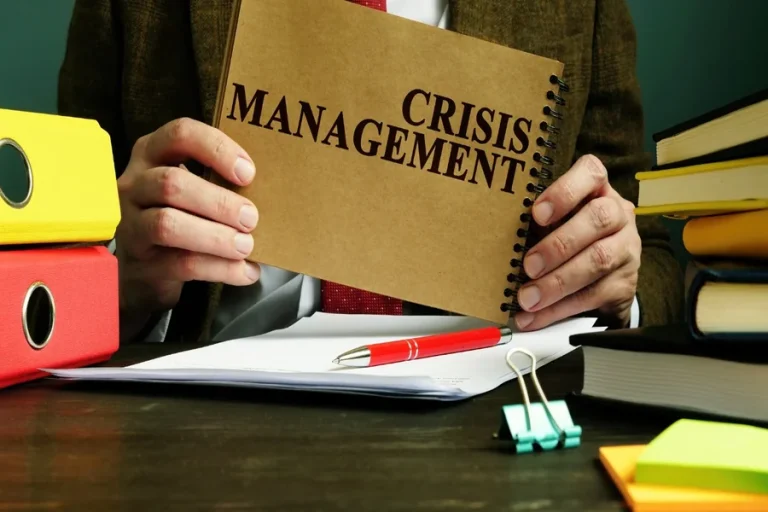
When a crisis strikes, people rarely remember the fine details of a corporate statement. What lingers is the tone. A single phrase can either calm fears or ignite them further. In tense moments, word choice carries enormous weight, shaping not only public perception but also the path toward recovery. The language of calm—measured, empathetic, and transparent—often becomes the difference between a temporary setback and lasting damage to reputation.
Words That De-escalate
In moments of uncertainty, audiences look for reassurance. They want to know that leaders are listening, that action is underway, and that they are not being misled. Words that acknowledge emotions—such as “concern,” “commitment,” or “safety”—signal empathy. Simple, direct language avoids confusion. Vague statements or corporate jargon can do the opposite, leaving stakeholders feeling dismissed or ignored.
The best communicators understand that honesty, even when it reveals imperfection, builds trust. Phrases like “We are investigating,” or “We don’t have all the answers yet, but here is what we are doing,” convey responsibility without overpromising. Such wording reassures the public that the organization values truth over appearances.
The Role of Agencies in Guiding Language
When pressure mounts, crafting the right message internally can be difficult. Emotions run high, and missteps are easy. Many organizations therefore turn to a PR agency Singapore companies trust to help find the right balance. These agencies bring an external perspective, helping brands strip away unnecessary complexity and focus on clarity.
By testing different drafts, anticipating public reactions, and aligning the language with cultural sensitivities, agencies ensure that the message feels authentic and calming. They also guide leaders in striking the right tone during interviews and press conferences, where words are scrutinized in real time. In many ways, they serve as both architects and guardians of public trust.
Framing Crisis as a Path Forward
The language used in crisis communication is not only about managing the present but also about preparing for the future. Carefully chosen words can reframe a crisis as an opportunity to improve. Instead of focusing solely on what went wrong, companies can highlight steps they are taking to learn, adapt, and strengthen safeguards.
This is where a crisis communications firm plays an essential role. Such firms specialize in identifying narratives that acknowledge the gravity of a situation while still pointing toward resilience. By helping organizations craft messages that balance accountability with optimism, they transform language into a bridge toward recovery. Audiences are more likely to forgive mistakes when they believe lessons are being learned and meaningful changes are underway.
Building Trust Through Consistency
One well-written statement is not enough. Trust is built over time through consistent messaging. Words must be supported by actions, and follow-up updates should reinforce earlier commitments. Silence or inconsistency can quickly erode the calm that initial communications worked so hard to create.
Effective crisis communication therefore requires discipline. The language of calm must echo across press releases, social media updates, internal memos, and executive remarks. Every channel must reflect the same tone: empathetic, clear, and focused on solutions. Over time, this consistency helps transform a crisis into a demonstration of leadership under pressure.