
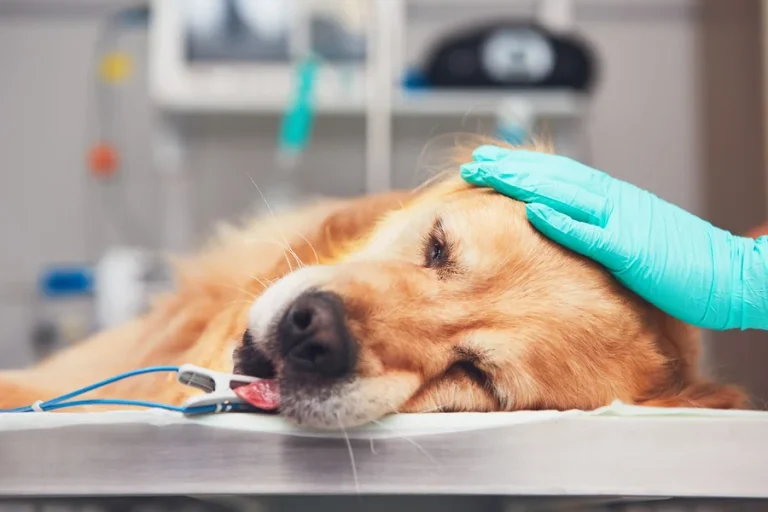
Veterinary anesthesiology saves lives during procedures. It ensures pets and animals feel no pain and remain still. You rely on it whether your cat needs surgery or your dog needs dental work. A veterinarian in Bakersfield, CA, knows the importance of using anesthesia safely. This service means your pet undergoes treatment with less stress and pain. It allows complex surgeries and minor procedures to go smoothly. You might feel anxious about anesthesia, but rest assured, it’s essential. Veterinary anesthesiologists are experts who monitor vital signs throughout the process. They adjust anesthesia as needed, ensuring safety and comfort. This expertise protects your pet during and after procedures. Trust in the skill and care of these professionals is paramount. You deserve to understand this critical role and its impact on your pet’s health.
Understanding Veterinary Anesthesiology
Veterinary anesthesiology involves using drugs to prevent pain and control movement during procedures. This practice is crucial for surgeries, diagnostics, and therapeutic procedures. Pain management and immobility allow veterinarians to work precisely without causing stress or harm to your pet. Understanding the basics helps you feel more comfortable about your pet’s care.
Types of Anesthesia
There are several types of anesthesia used in veterinary medicine:
- Local Anesthesia: Numbs a specific area where a minor procedure is performed.
- Regional Anesthesia: Blocks sensations in a larger area of the body.
- General Anesthesia: Renders your pet unconscious for more complex surgeries.
Each type is used based on the procedure’s needs and your pet’s health condition. This ensures safety and effectiveness.
Monitoring and Safety
During anesthesia, professionals closely monitor your pet’s vital signs. Heart rate, breathing, and temperature are regularly checked. This vigilance helps prevent complications. Veterinary anesthesiologists use sophisticated equipment to ensure accurate monitoring. They make real-time adjustments to maintain stability and comfort for your pet.
The Role of Pre-Anesthetic Evaluation
Before any procedure, veterinarians conduct a pre-anesthetic evaluation. This assessment includes:
- Reviewing your pet’s medical history
- Conducting blood tests
- Performing a physical exam
These steps identify potential risks and help tailor anesthesia plans. They reduce complications and improve outcomes. The American Veterinary Medical Association emphasizes the importance of thorough evaluations.
Post-Operative Care
After a procedure, recovery is crucial. Your pet is monitored as they awaken from anesthesia. This period ensures their safe transition back to normalcy. Post-operative care involves pain management and monitoring for any adverse reactions. It ensures your pet’s comfort and addresses any immediate needs.
Benefits of Veterinary Anesthesiology
Anesthesiology offers numerous benefits:
- Reduces pain and stress
- Enables precise surgical procedures
- Improves diagnostic accuracy
- Allows for better medical outcomes
These benefits highlight the necessity of anesthesia in veterinary care. It protects both the pet and the veterinarian, ensuring a safer environment for treatment.
Common Anesthesia Concerns
Pet owners often worry about anesthesia risks. Concerns include adverse reactions and recovery time. Rest assured, modern veterinary practices prioritize safety. Anesthesiologists are trained to manage risks and provide solutions. They have expertise in handling emergencies, making anesthesia safer than ever before.
Comparison of Anesthesia Types
| Anesthesia Type | Purpose | Recovery Time |
|---|---|---|
| Local | Numbs specific area | Quick |
| Regional | Blocks larger area | Moderate |
| General | Unconsciousness | Varies |
Conclusion
Veterinary anesthesiology plays a crucial role in safe procedures. It ensures your pet undergoes treatment with minimal pain and stress. Understanding its importance helps you make informed decisions about your pet’s health. Trust and communication with your veterinarian enhance the care your pet receives. By recognizing the expertise involved, you ensure that your beloved pet receives the best possible care during any procedure. Veterinary anesthesiology is essential for protecting and preserving your pet’s health.