
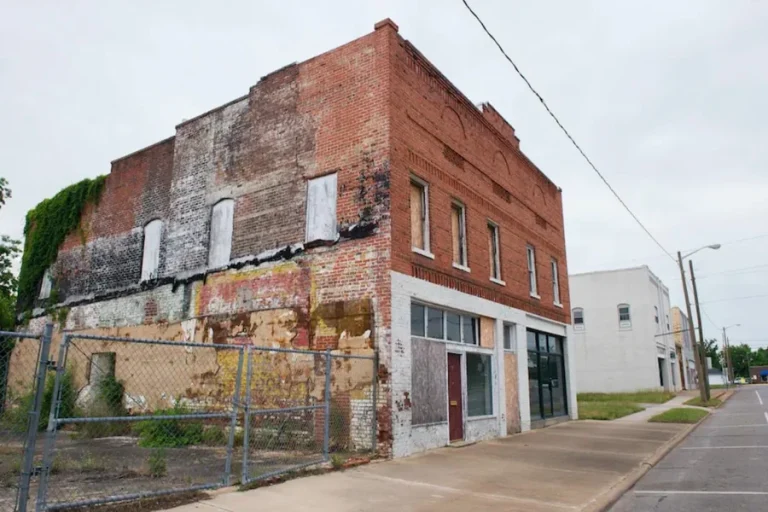
Access to quality behavioral health care varies widely across the United States, and nowhere is that more apparent than in the South. This region includes large metropolitan centers with extensive treatment resources and vast rural areas where services can be limited or difficult to reach. For individuals and families seeking care, these disparities can create real barriers at the very moment help is most needed.
One way people navigate these challenges is by exploring options like TX rehab programs, while also considering what ongoing support will look like once someone returns home. Understanding how urban and rural settings differ—and what strategies can help close gaps in care—is essential for improving outcomes across the region.
Why Geographic Access Shapes Outcomes
Behavioral health conditions do not follow city limits. Yet location often determines how quickly someone can enter care, what levels of treatment are available, and whether follow-up support is realistic. In many Southern states, a person might have access to detox, residential care, outpatient services, and specialized therapy within a single metro area. A few counties away, those same services may be sparse or nonexistent.
These differences affect the entire recovery journey. When higher levels of care are far away and outpatient options are limited, treatment becomes harder to start and harder to sustain. From a marketing perspective, this is also a messaging challenge: providers must communicate not only what they offer, but how people can actually access it given transportation, timing, and local support limitations.
Urban Availability: More Options, More Complexity
Urban areas tend to offer more treatment availability and greater specialization. A city is more likely to support multiple levels of care, diverse therapy options, and services designed for specific populations. Urban providers often benefit from referral relationships with hospitals, courts, employers, and healthcare systems, which can create more streamlined entry points into care.
However, urban access comes with complications. Waitlists can be long, especially for detox and inpatient beds. Traffic and commuting time can make outpatient attendance difficult even when services exist. Cost of living pressures may add instability, especially for individuals trying to maintain employment, housing, or family responsibilities while attending treatment.
From a marketing standpoint, urban markets are also crowded. Many providers compete for attention, which can push messaging toward big promises or overgeneralized claims. The strongest approach is typically clarity: explaining levels of care, who the program is built for, what support looks like after intake, and how continuity is maintained across steps.
Rural Barriers: Distance, Shortages, and Privacy Concerns
In rural Southern communities, barriers are often more structural. Distance is a practical hurdle—someone may need to travel hours to reach detox or residential treatment. That distance can discourage treatment entry, especially when someone is ambivalent or lacks strong family support.
Provider shortages compound the issue. Fewer clinicians per capita can mean limited assessment availability, reduced therapy options, and fewer medication-supported pathways. Rural areas may also have less access to dual-diagnosis care, leaving people with co-occurring mental health needs underserved.
Stigma can be another factor. In smaller communities, privacy concerns can feel amplified. People may worry about being recognized at appointments or judged for seeking help. Marketing that acknowledges these concerns—without dramatizing them—can be effective. Messaging that emphasizes confidentiality, respect, and practical support for admission planning tends to resonate in rural audiences.
Telehealth and Mobile Solutions That Expand Reach
Telehealth has become one of the most important tools for improving rural treatment access, especially for outpatient therapy, psychiatric support, and recovery follow-up. When implemented well, telehealth reduces transportation barriers and makes ongoing care more consistent.
Mobile outreach and community-based services also help bridge gaps. These may include screening, brief intervention, referral coordination, and recovery support services that meet individuals where they are. While telehealth and mobile programs do not replace every need—especially for medical detox—they can dramatically improve continuity, which is often where rural systems struggle most.
From an ethical marketing standpoint, it’s important for providers to communicate telehealth realistically: what it can cover, what still requires in-person care, and how care coordination works across distances.
Building Regional Networks Instead of Isolated Services
One of the most effective strategies for improving access is collaboration between urban hubs and rural communities. When larger centers coordinate with rural clinics, community organizations, and primary care practices, patients are less likely to fall through the cracks after a higher level of care.
These partnerships can include referral pathways, shared discharge planning, remote clinical consultation, and structured step-down support. This is also where marketing can play a constructive role: communicating pathways, not just programs. People need to understand how treatment connects to long-term support, especially when their home community has limited services.
Evidence-based guidance from the National Institute on Drug Abuse also reinforces the importance of sustained engagement and coordinated support across treatment and recovery services, which becomes even more critical when geography limits options.
Why This Matters for Behavioral Health Marketing
Urban vs. rural access is not just a healthcare issue; it’s an information and trust issue. People can’t choose care they don’t understand, and they won’t reach out to programs they don’t trust. In the South, where stigma, distance, and resource disparities are real, the most effective marketing tends to prioritize:
- clarity over hype
- education over fear
- realistic expectations over quick-fix promises
- supportive next steps over pressure
Providers who communicate this way help reduce barriers, improve engagement, and ultimately strengthen outcomes.
When Bridging the Access Gap Becomes Part of Treatment
Treatment access in the South will continue to vary by geography, but outcomes don’t have to. By expanding telehealth, strengthening regional partnerships, and communicating care pathways with accuracy and empathy, providers can make it easier for people to get help—and to keep getting help.
When systems and messaging work together, urban resources can support rural continuity, and rural communities can gain stronger on-ramps to recovery. That’s how access becomes more equitable, and how recovery becomes more achievable—no matter where someone lives.