
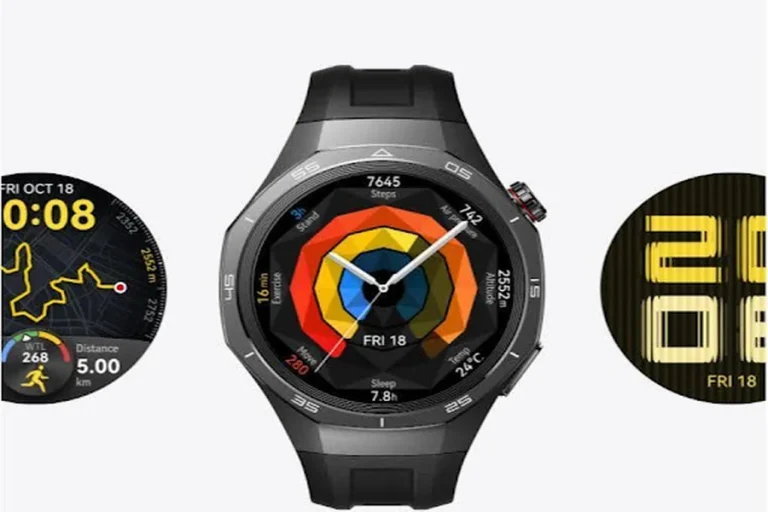
Smartwatches are more than practical tools for timekeeping and health tracking. They now serve as dynamic style enhancers, influencing how people express identity through fashion. From interchangeable straps to customizable digital faces, these devices integrate technology with aesthetics in a way that transforms wardrobes. They can match business attire in the office or blend with casual outfits for weekend wear. The sleek designs and personalization options help users view watches as signature fashion statements rather than just functional devices. This merging of utility and style shows how wearable technology shapes trends. The smartwatch sits comfortably at the intersection of modern design, culture, and personal expression.
Smartwatches As Fashion Accessories
Smartwatches have quickly become recognized fashion essentials that adapt to multiple contexts. Their versatility allows them to stand beside traditional accessories while offering unique personalization.
Customization As Personal Expression
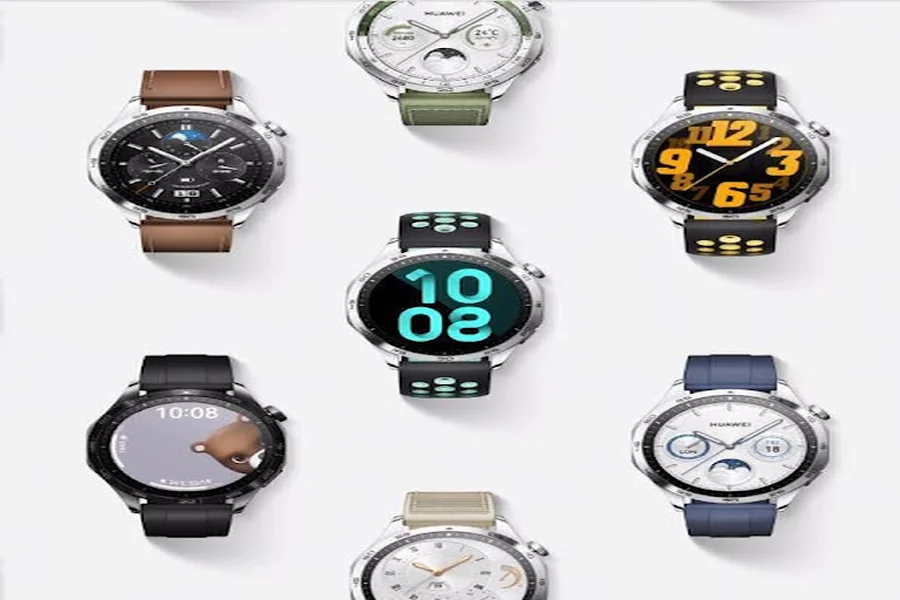
One key factor in the smartwatch’s fashion role is its adaptability. Users can swap straps in leather, metal, silicone, or woven materials to fit different moods and occasions. Digital watch faces can change from minimalistic designs to bold patterns instantly. This flexibility makes the device a dynamic part of wardrobes. The ability to shift styles at will encourages people to see watches not as static objects, but as evolving expressions of personality. Fashion thrives on self-expression, and smartwatches align with this demand perfectly. At this point, many reviews highlight the sleek design and adaptability of models like the watch gt6 pro, which show how technology integrates naturally into fashion conversations without overshadowing style.
Blending With Traditional Fashion
Smartwatches bridge the gap between classic and modern design. While traditional watches once symbolized elegance or heritage, smartwatches reinterpret that legacy with digital sophistication. Their sleek profiles and versatile bands allow them to blend with suits, dresses, or casual wear seamlessly. Instead of competing with jewelry, they complement it, adding a fresh layer of modernity to outfits. This blending shows how fashion adapts to technology, weaving digital tools into timeless aesthetics. The result is a balance between innovation and tradition that strengthens smartwatch appeal in fashion-conscious markets.
Symbol Of Lifestyle And Status
Fashion has always communicated lifestyle, and smartwatches continue this tradition. Wearing one signals that the user values both function and style. For some, the device represents productivity and modern living. For others, it reflects a commitment to health, fitness, or digital connectivity. By appearing on wrists in offices, gyms, and social events, smartwatches project identity as powerfully as clothing does. They no longer sit apart from fashion—they actively shape how people present themselves in different contexts.
The Cultural Influence Of Smartwatch Fashion
Beyond personal style, smartwatches also influence broader cultural trends. They reshape how society views accessories, blending technology with aesthetic choices.
Fashion’s Shift Toward Functionality
In the past, fashion often prioritized appearance over practicality. Smartwatches prove that advanced function can coexist with refined style. A watch face might display heart rates while remaining visually appealing. Straps offer comfort for long wear but also match clothing trends. This merging has created a culture where functionality carries fashion value. People choose accessories that work hard while looking good, setting higher expectations for future wearable design.
Mainstream Adoption And Fashion Cycles
Smartwatches also influence cycles in mainstream fashion. Designers and brands now create lines of accessories that pair with wearable devices. Straps become seasonal items, encouraging people to refresh looks without replacing the entire watch. Fashion houses experiment with collaborations, producing limited-edition designs that elevate wearables to luxury status. This synergy expands fashion’s definition, making technology a central player in fashion’s rhythm of change and renewal. Smartwatches, once viewed as emerging gadgets, now stand as established trendsetters across both tech and clothing industries.
Integration Into Everyday Culture
As smartwatches grow popular, they become ingrained in everyday fashion culture. They appear in streetwear, business attire, and even formal outfits. Social media reinforces this integration, as influencers showcase their watch styles alongside other clothing choices. The cultural message is clear: smartwatches now belong at the center of fashion. They transform from simple devices to cultural markers of taste and lifestyle. The normalization of wearables in fashion strengthens their role as both tools and accessories.
Conclusion
Smartwatches impact fashion by merging technology with personal style. They serve as adaptable accessories through customizable straps and digital faces. They blend with traditional fashion, adding innovation without losing elegance. They also act as lifestyle symbols, showing values of productivity, health, and connectivity. On a cultural level, they redefine fashion cycles by making functionality fashionable and encouraging collaborations with designers. Their presence across workplaces, gyms, and social settings cements their influence on everyday style. Smartwatches no longer follow fashion—they reshape it. As fashion continues to evolve, wearables will remain central to how people express identity through both technology and design.