
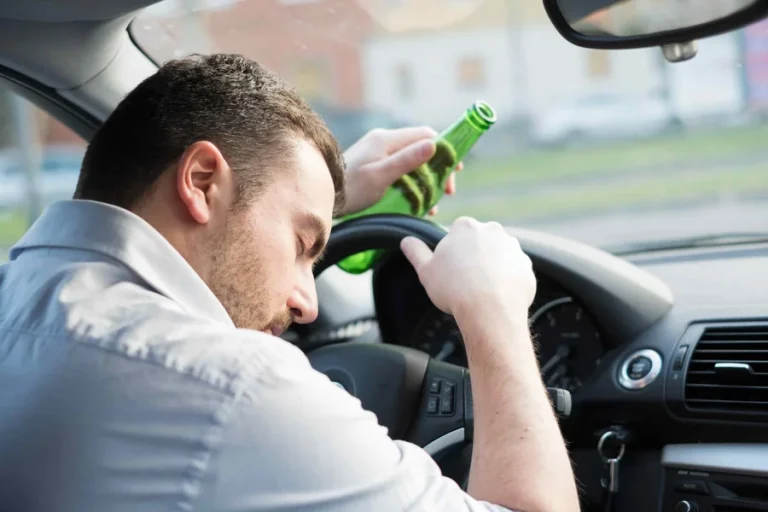
A drunk driving crash shatters your sense of safety in one violent moment. You may feel shocked, angry, or numb. You may also feel pressure from insurance, bills, and police reports. You should not face this chaos alone. Your actions in the first hours and days can protect your health, your money, and your future. First, you must focus on your body. Then you must protect your rights. You should document the crash, your pain, and every cost. You should avoid quick deals or quiet offers that erase your story. This guide explains what to do step by step so you do not feel lost or pushed aside. It also shows how support from family, doctors, and Hart Law can help you stand firm. You did not choose this crash. You can still choose how you respond.
Step One: Get To Safety And Call 911
First, check for injuries. If you can move, get to a safe place away from traffic. If you cannot move, stay still and wait for help. Do not try to act strong. Your body may hide pain at first.
Next, call 911 or tell someone to call. Say there was a drunk driving crash. Ask for the police and an ambulance. Stay on the line until the operator says to hang up. The 911 call creates a record that can support your story later.
Then, do not argue with the drunk driver. Do not accept blame. Do not discuss money or payments. The police will handle testing and reports. Your only job is to stay safe and tell the truth.
Step Two: Get Medical Care Even If You “Feel Fine”
Head, neck, and back injuries often hide at first. Internal bleeding and organ damage can stay quiet for hours. You should let a doctor check you the same day.
If medics suggest a ride to the emergency room, say yes. If you go home, schedule a visit with your doctor or urgent care right away. Tell them it was a drunk driving crash. Ask for copies of every test and note.
You can learn more about common crash injuries and warning signs from the Centers for Disease Control and Prevention. This information can help you watch for new pain, headaches, or mood changes in the next days and weeks.
Step Three: Call Family And Start Emotional Support
Crash trauma affects your mind as much as your body. You may struggle to sleep. You may replay the crash again and again. You may feel rage or deep fear.
Reach out to a family member or trusted friend the same day. Ask them to meet you at the hospital or at home. Ask for help with simple tasks like meals, rides, or child care. Strong support will help you heal and think clearly.
If you notice panic attacks, sudden crying, or withdrawal from others, talk with a counselor. Early support can reduce long-term trauma. You are not weak for needing help. You are responding to real injury.
Step Four: Protect The Evidence
You will forget details as time passes. Insurance companies may try to twist gaps in your memory. Careful records protect you.
Start with photos. Use your phone to take clear pictures of
- All vehicles from many angles
- License plates and road signs
- Skid marks, broken glass, and debris
- Visible injuries on you and your passengers
Next, write down what happened. Include the time, location, weather, and what the other driver said or did. Note any smell of alcohol or signs like slurred speech or stumbling. Date your notes.
Then, keep every crash-related record in one folder. Save
- Police reports
- Medical bills and visit summaries
- Repair estimates
- Pay stubs that show lost wages
Step Five: Be Careful With Insurance Companies
Within days, an insurance adjuster may call you. They may sound kind. They may say they just need a quick statement to “speed things up.” You must stay cautious.
First, give only basic facts. Share your name, contact information, and the date and place of the crash. Say you are still getting medical care. Do not guess about injuries or fault.
Next, do not agree to a recorded statement before you speak with a lawyer. A rushed recording can lock you into words that hurt your claim later.
Finally, never accept the first settlement offer without legal advice. Early offers are often low. They may not cover future surgery, therapy, or lost work.
Step Six: Understand How Alcohol Changes Crash Risk
Drunk driving is not a simple mistake. It is a choice that raises crash risk for every person on the road. Knowing the numbers can help you feel less alone and more prepared when you speak with the police or courts.
| Blood Alcohol Concentration (BAC) | Effect On Driver | Crash Risk Compared To Sober Driver
|
|---|---|---|
| 0.02 | Slight loss of judgment. Reduced ability to track moving objects. | Increased risk |
| 0.05 | Reduced coordination. Trouble steering. Lower response to emergencies. | About double the risk |
| 0.08 | Poor muscle control. Blurred vision. Loss of speed control. | Several times higher risk |
| 0.15 | Severe loss of balance. Near total loss of control. | Extreme risk of deadly crash |
The National Highway Traffic Safety Administration shares more data on how alcohol affects driving. This science backs your experience and shows the danger you faced.
Step Seven: Talk With A Lawyer Who Handles Drunk Driving Crashes
You face medical costs, lost work, car repairs, and deep pain. You should not carry these alone. A lawyer who handles drunk driving crashes can
- Review police reports and test results
- Work with doctors to show the full impact of your injuries
- Deal with insurance companies so you can focus on healing
- Seek payment for medical care, lost income, and pain
Contact a lawyer as soon as you can. Early guidance helps you avoid mistakes with forms, statements, or deadlines. You have rights under state law. You deserve clear answers.
Step Eight: Take Care of Your Future
Recovery does not end when the bruises fade. You may have scars, ongoing pain, or a fear of driving. You may need time off work. You may need therapy for trauma.
First, keep all follow-up medical visits. Tell your doctor about every symptom. Small issues now can grow into long-term damage if ignored.
Next, track your healing. Use a simple journal. Each day, note your pain level, mood, sleep, and what tasks you could or could not do. This record can support your claim and also show your progress over time.
Finally, give yourself permission to heal. You did not cause this harm. You deserve safety, respect, and fair payment for what you lost. With steady support from loved ones, medical care, and legal help, you can move through this dark moment toward a safer life.


