
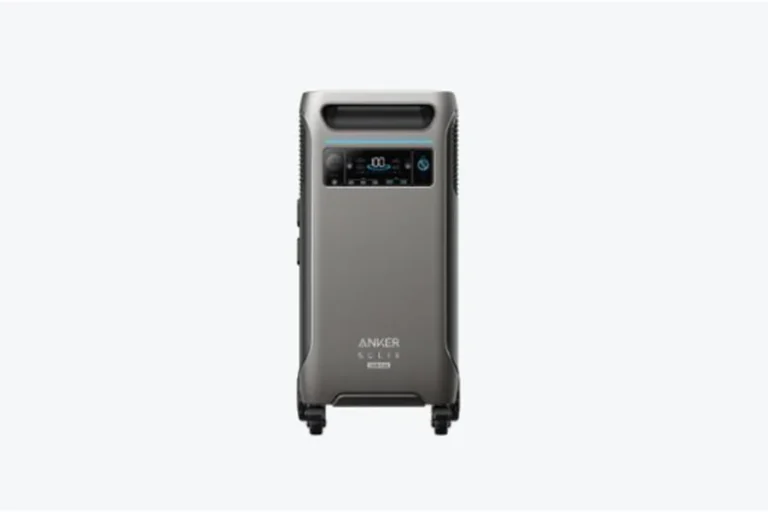
The rate at which a battery backup for home discharges is rarely random. It reflects the relationship between electrical load, inverter behavior, storage capacity, and how the homeowner uses the system throughout the day. Two households with similar battery models can experience dramatically different runtime simply because their devices, climate, charging habits, and circuit priorities differ. With systems such as a dual Anker SOLIX F3800 Plus paired with the Smart Home Power Kit, homeowners gain more control over discharge behavior, but understanding the mechanics behind it remains essential. Discharge speed determines how long a home can operate during outages, how efficiently it uses solar power, and how effectively the system supports daily energy independence. A battery’s performance is shaped by electrical physics, configuration decisions, and environmental conditions—all working together each time the system supplies power.
Why System Design and Load Behavior Influence Discharge Speed
High-Demand Appliances That Pull Power Quickly
Some appliances create short but intense surges, while others run continuously and quietly drain energy over hours. HVAC systems, well pumps, space heaters, and older refrigerators place significant load on a battery system the moment they start. Even when a high-capacity system such as the dual F3800 Plus provides 6,000W AC output per unit, discharge speed accelerates when several power-hungry appliances run at once. Homeowners often notice faster drain during colder nights or heat waves because temperature-control devices cycle more frequently. Understanding which circuits draw the most power makes it easier to choose what stays active during an outage. With the Smart Home Power Kit, homeowners can distribute loads more strategically, allowing the battery to operate longer under controlled demand instead of powering every circuit simultaneously.
Inverter Output Requirements That Change Energy Use
Discharge speed is also influenced by how the inverter converts stored DC energy into usable AC electricity. Higher output levels require the inverter to work harder, increasing energy consumption even if the battery itself is large. When a system provides dual-voltage support at 120V and 240V, it can power both small appliances and high-demand equipment, but supplying voltage across multiple circuits increases overall draw. In everyday use, the efficiency of conversion plays a quiet but important role: while the F3800 Plus operates efficiently, higher outputs naturally drain storage more quickly. The key is that inverter strain mirrors homeowner behavior. More load means faster discharge; fewer circuits mean slower discharge. Inverters maintain stability and consistent output, but users determine the workload placed on them.
Environmental Conditions That Affect Usable Capacity
Temperature directly influences how a battery behaves. Cold conditions reduce available output, causing batteries to discharge more quickly than expected. Warm environments can also accelerate drain if appliances such as air conditioners run more often. For solar-connected systems, cloudy or short winter days may decrease daily energy replenishment, making the battery work harder to keep the home operational. Because the F3800 Plus can recharge through four different pathways—solar, AC outlet, home power panel, or generator input—homeowners can adapt to seasonal changes and keep discharge behavior more predictable. Environmental factors can’t be eliminated, but understanding their impact allows the household to plan ahead and use backup power more efficiently.
Why System Management, Configuration, and Capacity Shape Runtime
Smart Usage Patterns That Extend Runtime Naturally
Battery runtime changes based on how a household chooses to use its stored energy. Running multiple large appliances at the same time accelerates drain, while staggering usage provides longer operation. The Anker app gives homeowners real-time visibility into consumption, allowing them to identify which appliances are drawing the most power and adjust habits accordingly. During outages, this becomes especially important. Reducing nonessential loads, setting priorities for high-demand appliances, and scheduling charging when solar availability is strongest all help slow discharge. Intelligent oversight transforms the battery from a passive device into an actively managed resource, letting homeowners match system output to the needs of the moment.
Scalability That Determines How Much Load the System Can Support
Battery size matters, and the difference becomes clear during heavy use. A system with greater storage drains more slowly under the same load because the energy pool is larger. Two F3800 Plus units provide a strong foundation and can expand up to 53.8kWh with additional batteries. As capacity grows, discharge speed becomes less dramatic, especially during long outages or winter months. Larger storage creates flexibility: homes can operate multiple appliances, rely on HVAC systems during extreme weather, or sustain long off-grid periods with fewer compromises. Scalability ensures that the system adapts as household needs evolve, reducing the likelihood of rapid discharge when consumption rises.
Charging Behavior That Influences Daily and Emergency Performance
How a battery is charged affects how it discharges. Systems that recharge fully each day—especially through high-efficiency solar inputs—begin their discharge cycle with maximum stored energy, allowing the household to use more electricity before drain becomes noticeable. With up to 3,200W of solar input, the F3800 Plus can recover rapidly when sunlight is available. Automated weather-response charging ensures the system fills before storms, giving the home a buffer against extended outages. Using AC or generator charging during low-demand hours also slows perceived discharge because the battery spends less time in a partially depleted state. Strong charging habits maintain consistent performance and prevent the rapid declines associated with undercharged systems.
Conclusion
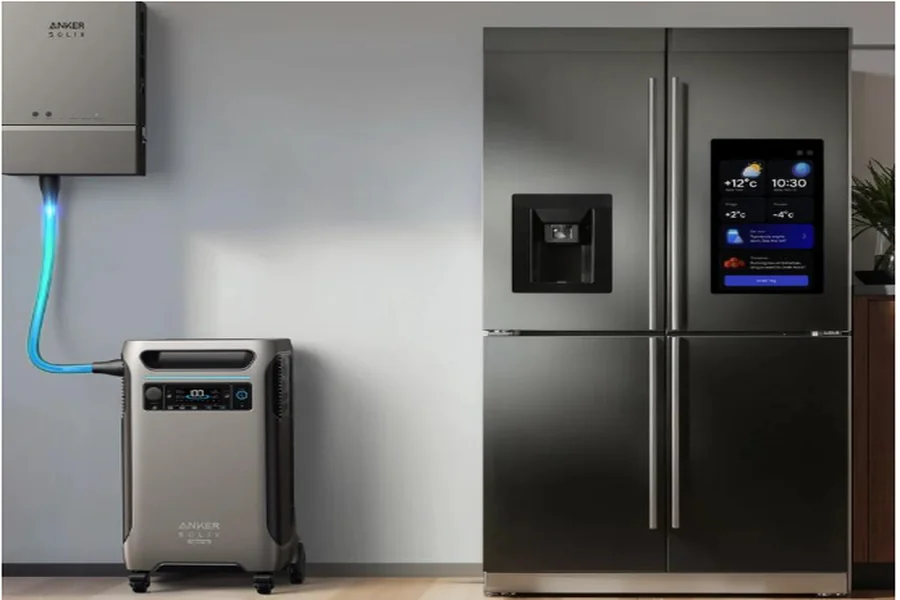
Discharge speed varies across homes because each household uses, stores, converts, and replenishes energy differently. Appliance behavior, inverter output, environmental conditions, and capacity all play direct roles in how quickly a battery backup releases its stored power. Smart energy management, sufficient storage expansion, and flexible charging pathways help stabilize discharge patterns and extend runtime. Dual Anker SOLIX F3800 Plus units with the Smart Home Power Kit offer the control and scalability needed to manage these variables effectively. When homeowners understand what influences discharge speed, they gain the ability to maintain longer operation during outages, maximize solar use, and support daily energy independence with confidence.


