
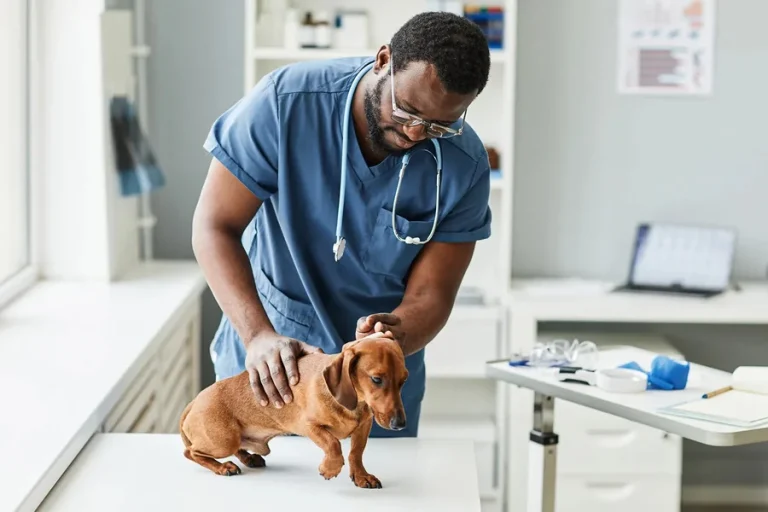
When your pet hurts, you feel it in your chest. You want clear answers, straight facts, and real help. That is why you lean on veterinary hospitals. These teams do more than treat illness. They watch for early warning signs, explain what is happening, and stand with you when choices feel heavy. You see this when you visit a veterinarian in Oakville, Ontario or any other town. You meet people who read lab results, steady a shaking animal, and guide you through hard news. You also see clean rooms, steady routines, and careful records that protect your pet’s safety. Each visit builds trust. Every checkup, vaccine, or urgent visit shows you are not alone with guesswork or fear. This blog explains how veterinary hospitals work with you, share responsibility, and help you protect the animal who depends on you.
1. You gain a full health partner for your pet
You see only the surface of your pet’s health. You notice appetite, energy, and mood. You do not see what is happening inside the heart, lungs, joints, or teeth. Veterinary hospitals fill that gap.
Teams use three main tools.
- They listen to you and your story.
- They examine your pet from nose to tail.
- They use tests to confirm what they see.
The U.S. Centers for Disease Control and Prevention explains that regular vet care protects both pets and people by catching disease early and keeping vaccines current. You can read more on the CDC site at Healthy Pets, Healthy People. That same approach guides care in every well run veterinary hospital.
2. Preventive care keeps small problems from turning severe
Most pet health crises do not start as crises. They start as small changes that are easy to miss at home. A slow weight gain. A quiet cough. A slight limp. Routine visits turn those early signs into clear action.
During preventive visits, a veterinary hospital can
- Check weight, heart, lungs, teeth, and skin
- Update vaccines based on age and risk
- Run blood and urine tests when needed
The American Veterinary Medical Association explains that regular exams help detect disease before your pet looks sick. This pattern is simple. Routine care leads to early detection. Early detection leads to better options and lower costs.
3. Clear communication builds trust
Medical words can feel heavy. A trusted veterinary hospital turns that weight into clear language you can use. You should walk out of each visit knowing three things.
- What is going on
- What the options are
- What comes next at home
Good teams invite your questions. They welcome your doubt. They repeat key points in simple words. They write down steps you need to follow. This respect for your role builds trust every time you visit.
4. Safety systems protect your pet when stress is high
Behind every calm waiting room there is a busy treatment space. A strong hospital uses safety steps that you may not see but your pet feels.
- Separate spaces for sick and healthy animals
- Clean tools and surfaces between each patient
- Checks for correct drug, dose, and patient
These steps lower the risk of infection and mistakes. They also protect staff. Your pet benefits from a team that stays safe, alert, and ready.
5. Comparing home care and veterinary hospital care
You do a lot at home. You watch, you comfort, and you know your pet’s normal habits. You cannot replace the tools and training of a hospital. You also do not need to. You can match your strengths with theirs.
| Type of care | What you can do at home | What a veterinary hospital adds
|
|---|---|---|
| Everyday monitoring | Notice changes in eating, drinking, energy, and behavior | Turn your observations into a medical plan and timeline |
| Preventive health | Feed a steady diet and keep a healthy routine | Give vaccines, parasite control, and full physical exams |
| Dental care | Brush teeth and offer safe chew toys | Use dental X rays and clean below the gum line under anesthesia |
| Sudden illness or injury | Provide first aid and keep your pet calm | Give oxygen, pain control, imaging, and surgery when needed |
| Chronic disease | Give drugs as directed and track symptoms | Adjust doses, monitor organs, and manage long term care |
This shared work is why hospitals become trusted partners. You bring daily insight. They bring tools and training. Together you protect your pet’s health.
6. Support during hard decisions
Some visits are easy. Others are not. You may face choices about surgery, long term drugs, or end of life care. These moments carry fear and grief. A trusted veterinary hospital does three things during hard talks.
- Shares clear facts about comfort, pain, and quality of life
- Outlines more than one option when possible
- Respects your values and limits
You should never feel pushed. You should feel guided. That guidance stays with you long after the visit ends.
7. How to build a strong partnership with your veterinary hospital
You can strengthen this bond through simple steps.
- Keep a list of questions before each visit
- Share all drugs, supplements, and treats your pet gets
- Follow up if something does not feel right at home
Next, stay with one hospital when you can. Over time your team builds a full history. They see patterns across months and years. That history can change a guess into a clear answer.
8. Why trust matters for you and your pet
Trust is not soft. It is practical. It affects how soon you seek help, how well you follow care plans, and how safe your pet stays. When you trust your veterinary hospital, you bring problems in early. You share small details you might hide from a stranger. You ask the hard questions.
Your pet feels that trust. They feel your calm voice in the exam room. They sense your steady hand. That calm helps every test, treatment, and recovery go smoother.
You and your pet deserve that kind of partnership. Veterinary hospitals stand ready to share the load, carry the science, and walk with you through joy, worry, and loss. You never have to face those moments alone.