
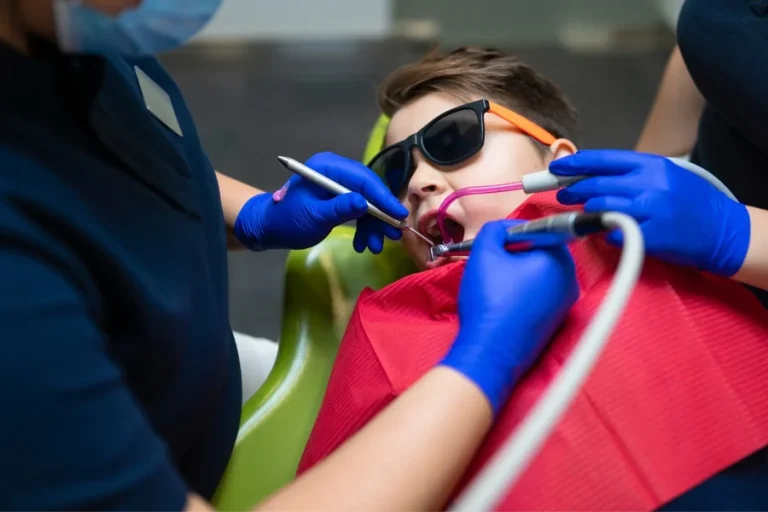
You want your child to feel safe in the chair, not frozen with fear. A good family dentist understands this and plans each visit around your child’s comfort. This is true for a dentist in Sun City West, AZ and for any office that sees children every day. You see it in the way the team speaks, the games they offer, and the choices they give your child. You also see it in how they explain each step in plain words. These methods are not tricks. They are simple, tested strategies that turn a hard visit into a calm one. This blog shares three of those strategies. You can use them to judge if a dental office is right for your child. You can also use them to prepare your child before the next visit so the day feels lighter for both of you.
1. Turning the Office Into a Play Space
Children fear what feels cold and strange. A good family office does the opposite. It looks and sounds like a place for children.
You often see:
- Bright art on the walls
- Small chairs and kid sized tables
- Toys, books, and simple games in the waiting room
- Short cartoons or calm music on screens
This play setting does more than pass the time. It sends a message. The office is for children. Your child is not a guest in an adult space. Your child belongs there.
Research from the National Institutes of Health shows that play and distraction can cut fear and pain in medical visits for children. You can see a summary of this kind of research on the National Library of Medicine site. When your child plays, the brain pays less attention to fear. That gives the dental team more room to work.
You can help this first strategy work by:
- Arriving a bit early so your child can play before the visit
- Letting your child pick a book or toy to bring inside
- Using simple words like “We are going to play and meet the tooth helpers”
These steps sound small. They have strong power for a young mind that ties new places to fear or comfort.
2. Using Child-Friendly Language and Choices
Words can scare a child before the visit even starts. A good family dentist changes the way the team talks about tools and steps. The team uses words that a young child can picture without fear.
For example, you might hear:
- “Tooth counter” instead of “probe”
- “Tooth camera” instead of “X-ray machine”
- “Tooth shower” instead of “water spray”
- “Sleepy juice” instead of “numbing shot”
Next, the team offers small choices that give your child control. Children feel less trapped when they can pick even one part of the visit.
Common choices include:
- Picking a flavor of toothpaste
- Picking a sticker or small prize at the end
- Picking a song or cartoon to watch
- Choosing if they want to sit alone or hold your hand
The American Academy of Pediatric Dentistry explains that giving choices and using simple words lowers fear and helps children cope better.
You can support this at home before the visit. You can:
- Avoid scary words like “hurt” or “shot”
- Use short, calm phrases like “The dentist will count and clean your teeth”
- Practice “open wide” with a toothbrush or a favorite toy
Clear words and small choices give your child a sense of power. That sense of power turns fear into trust.
3. Rewarding Brave Behavior With Positive Reinforcement
Family dentists know children repeat what gets noticed. When the team praises calm and brave acts, your child links the visit to pride, not shame.
Positive reinforcement can look like:
- Simple praise such as “You held so still. That helped so much.”
- Stickers, pencils, or small toys from a prize box
- “Brave patient” certificates
- High fives or claps from the team
Each reward tells your child that effort matters. The child does not need to be perfect. The child only needs to try. Over time, this pattern builds strong habits. Your child starts to see checkups as a chance to “earn” that praise again.
You can carry this same pattern home:
- Plan a simple treat after the visit, like extra story time
- Point out one thing your child did well
- Keep a small chart for brushing and visits
When home and office use the same reward style, your child gets a clear message. Dental care is part of normal life. Effort brings respect.
How These Strategies Compare
Each strategy helps in a different way. Together, they shape your child’s whole experience. This table shows how they support both feelings and behavior.
| Strategy | Main Goal | How It Helps Your Child | How You Can Support It
|
|---|---|---|---|
| Playful office design | Lower fear before care starts | Makes the place feel safe and familiar | Arrive early and let your child explore and play |
| Child friendly language and choices | Build trust and control | Cuts scary images and gives a sense of power | Use the same calm words at home and avoid threats |
| Positive reinforcement and rewards | Encourage brave behavior | Links visits to pride and success | Praise effort and plan a small reward after visits |
Putting It All Together For Your Child
You deserve a dental team that treats your child with patience and respect. These three strategies are strong signs that the office understands children.
When you look for a family dentist, you can ask:
- What does the waiting room offer for children
- How does the team explain tools and steps to a young child
- What rewards or praise does the office use after a visit
Your questions set a clear standard. You show that your child’s emotional safety matters as much as clean teeth. That protects your child from fear that can last for years.
Every visit will not feel perfect. Some days your child will still cry or refuse to open wide. That does not mean you or your child failed. It means ,you both need steady support. With a caring team, simple words, playful spaces, and real praise, each visit can grow a little easier. Over time, your child can move from fear to calm, and from calm to confidence.