
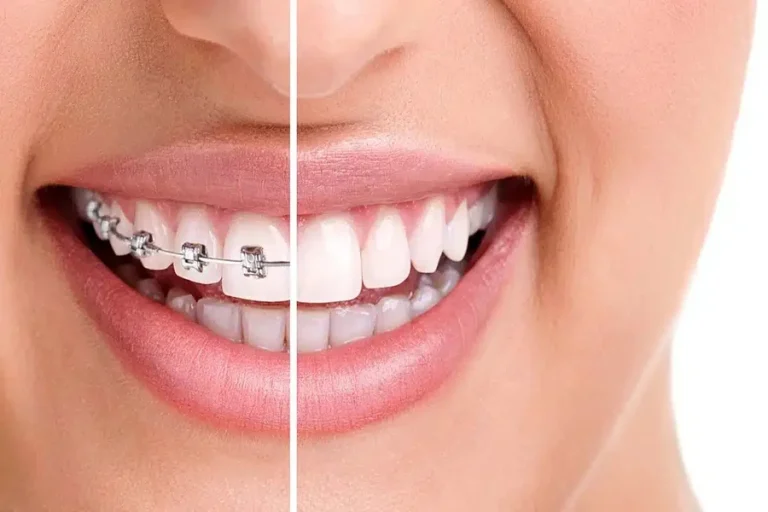
Teeth do more than shape your smile. They guide how you speak, chew, and even breathe. When teeth or jaws are out of line, simple tasks can feel hard. You may struggle to bite into food. You may notice slurred words or a lisp. You may feel jaw strain after meals. Orthodontic care helps reset how your mouth works. It changes the way your tongue touches your teeth. It also changes how your jaw moves with each word and each chew. An orthodontist in Greenwich studies these patterns and plans treatment that fits your daily life. You deserve clear speech, steady chewing, and relief from constant effort. This blog explains how braces, aligners, and other tools can support those goals. You will see how small changes in tooth position can ease pain, sharpen sounds, and make eating less exhausting.
How teeth and jaws shape speech
Speech is a team effort. Your tongue, lips, teeth, and jaw work together for every sound. When one part is out of place, words can change.
You use your teeth to shape sounds like “t,” “d,” “s,” “z,” “sh,” and “ch.” You use your front teeth and tongue to form “th.” You use your back teeth and jaw to steady sounds while your tongue moves.
When teeth do not meet well, you may notice
- A lisp on “s” and “z” sounds
- Extra air or whistle between teeth
- Slurred or mushy words
- Effort to speak clearly when tired
The National Institutes of Health notes that malocclusion, or crooked bite, can change tongue position and sound quality.
How teeth and jaws shape chewing
Healthy chewing lets you break food into small pieces. This protects your stomach and lowers choking risk. It also supports good nutrition.
When teeth or jaws are out of line, you may
- Bite your cheeks or tongue
- Chew on one side only
- Avoid hard or chewy foods
- Feel jaw fatigue after meals
The Centers for Disease Control and Prevention oral health page explains that poor bite and missing teeth can limit healthy food choices. This can affect weight and blood sugar control.
Common bite problems that affect speech and chewing
Different bite patterns cause different problems. Here is a simple guide.
| Type of bite problem | What it looks like | Common speech effects | Common chewing effects
|
|---|---|---|---|
| Overbite | Top front teeth cover lower teeth a lot | Muffled sounds. Tongue crowding | Front teeth wear. Jaw strain when biting |
| Underbite | Lower front teeth sit in front of top teeth | Distorted “f,” “v,” and “th” sounds | Trouble biting into foods like sandwiches |
| Open bite | Top and bottom teeth do not touch in front | Lisp. Extra air flow. Whistling “s” | Front teeth cannot cut food. Heavy use of back teeth |
| Crossbite | Some top teeth bite inside lower teeth | Uneven tongue space. Mixed sound patterns | Chewing on one side. Risk of tooth wear |
| Crowding or gaps | Teeth overlap or have wide spaces | Whistling or slurred sounds | Food trapping. Slower chewing |
How braces and aligners change speech
When you start orthodontic treatment, you place new hardware in your mouth. At first, this can feel strange. You may notice
- Mild lisp, especially on “s” and “sh”
- Extra saliva
- Slight tongue rubbing or sore spots
This stage is short. Your brain and tongue adapt in days or weeks. You form new muscle patterns around the braces or aligners. As teeth move into better positions, many speech issues ease.
Clear aligners cover the teeth with smooth plastic. They may cause a brief lisp on some sounds. Traditional braces can change how your lips rest on your teeth. Either way, clear practice helps. Reading out loud for ten minutes a day helps your tongue learn new paths.
How orthodontics improves chewing
Orthodontic treatment aims to create a steady bite. When treatment is complete, your teeth share the workload. You can
- Cut food with your front teeth
- Grind food well with your back teeth
- Chew on both sides with balance
This balance protects the jaw joint. It also reduces tooth wear and cracking. Many people notice that meals feel calmer. You may eat more slowly and enjoy food more. You may also add back foods you once avoided, like crisp apples or nuts.
What to expect during treatment
During the first week, your mouth adjusts. You might feel
- Pressure on teeth
- Sore spots on cheeks or tongue
- Short term change in speech
You can manage this with soft foods and wax on sharp edges. You can also sip cool water and use over the counter pain relief if your dentist approves. Over time, your bite changes in small steps. Speech and chewing improve slowly, not overnight.
For children, the change can feel strange. You can support your child by
- Offering soft meals when wires are adjusted
- Practicing reading and tongue twisters together
- Reminding them that change in speech is temporary
How to support clear speech and strong chewing
You can protect your progress through daily habits. Three simple steps help most people.
- Keep your mouth clean. Brush and floss around braces or aligners. This prevents swelling that can affect speech and chewing.
- Choose tooth safe foods. Cut hard foods into small pieces. Avoid sticky candy that can break brackets.
- Follow your plan. Wear aligners as directed. Keep appointments so your orthodontist can guide each step.
When to seek help
You should call your care team if you notice
- Speech that gets worse over time
- Jaw pain that does not ease with rest
- Clicking or locking of the jaw joint
- Inability to chew most foods
These signs can mean your bite needs adjustment. Early attention often prevents long term problems.
Key takeaways for your family
Orthodontics is not only about straight teeth. It is about how you speak, chew, and feel during daily life. A steady bite supports clear words. It also supports safe chewing and comfort at mealtimes.
When you understand this link, you can make calm, informed choices for yourself and your children. You can ask better questions. You can notice small changes and speak up early. That awareness protects both your smile and your daily comfort.


