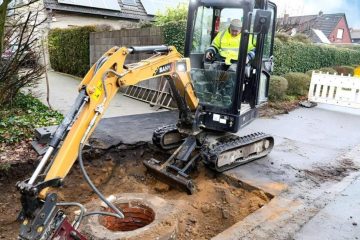
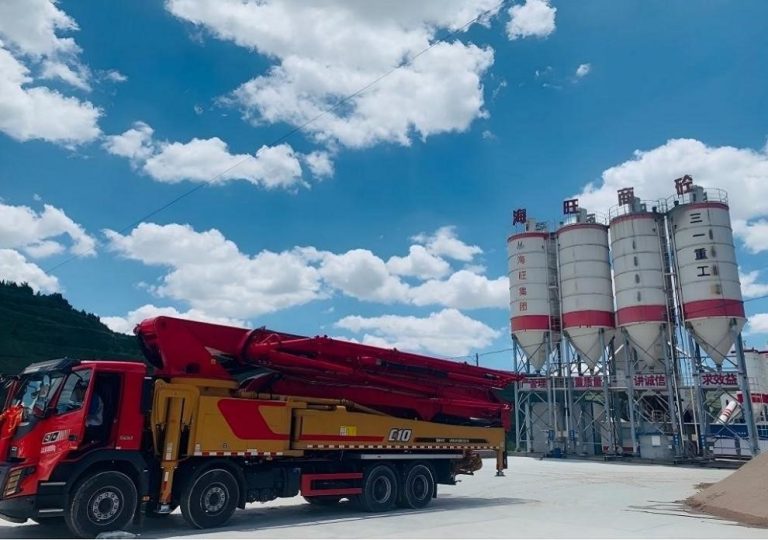
Concrete pump safety affects all job site concrete installers. High-pressure pumps transport heavy materials via pipes, hoses, and booms. Hose whips, line bursts, injuries, and structural damage can all be caused by one miscalculation. Pumpers must be aware of the hazards before pumping. Clear procedures protect operators, finishers, and adjoining trades. Concrete pump safety is critical, and this article provides best practices for construction teams. Inspections, setup, training, and emergency preparedness are its top concerns. These rules reduce accidents and downtime while allowing teams to create concrete safety effectively and compliantly.
Why Is Concrete Pump Safety Critical on Construction Sites?
Concrete pump breakdowns occur swiftly and unexpectedly, making safety critical. If equipment fails or operators lose control, pressurized concrete lines release energy immediately. Hose whips, pipe separation, tipping booms, and moving parts all cause accidents on a daily basis. Pumping crews operate alongside trucks, booms, and wet concrete. Without controls, little errors might become significant incidents. Safety practices protect lives, property, and avoid legal problems. They avoid shutdowns and investigations, keeping projects on track. Pump safety-focused construction teams build protocols, improve communication, and create predictable work zones where workers can operate comfortably and productively in harsh conditions at a variety of locations with changing project dangers on a daily basis.
Essential Safety Practices Before and During Pump Operations
Pre-Operation Inspections and Site Preparation
Pre-operation checks reduce the risk associated with concrete pumping. Pumps, pipes, clamps, hoses, and seals need to be examined. Replace any damaged or worn pieces before pressurizing the system. You must also prepare the area. Pump outriggers and vehicle weight necessitate solid terrain. Crews should clear overhanging obstructions and access points. Barricades safeguard secure work zones from unauthorized intrusion. Operators must examine the mix design and pressure constraints. An inspected and prepared site reduces equipment failure, increases stability, and makes individuals working near active pumping operations safer.
Safe Pump Setup, Operation, and Communication
Placing and leveling a pump is the first step in ensuring its safety. Operators must fully deploy outriggers and ensure stability before extending booms. Crews should communicate throughout operations using radios or hand signals. Only trained individuals should move booms. Safe pressure adjustments and proper priming are necessary. Always maintain line pressure within the rated limits. Crews should avoid pressurized hoses and pipeline connectors. Clear communication reduces surprises and ambiguity. Controlled operation protects persons on foot, reduces equipment stress, and ensures that concrete pours are completed without pauses, delays, or hazardous conditions.
Personal Protective Equipment and Crew Positioning
Concrete pump safety relies heavily on personal protective equipment. Crew members should wear hard helmets, eye protection, gloves, boots, and high-visibility apparel. Face shields protect from concrete spray during priming or cleaning. Crew placement is also important. Workers must keep away from hose ends, clamps, and swing pathways. Nobody should stand under suspended booms or near pressurized lines. Spotters assist in keeping safe distances. Supervisors should enforce exclusion zones uniformly. Proper PPE and placement minimize injury severity and exposure. These safeguards protect staff from burns, impact injuries, and slips while also promoting safe, coordinated movement around active pumping equipment.
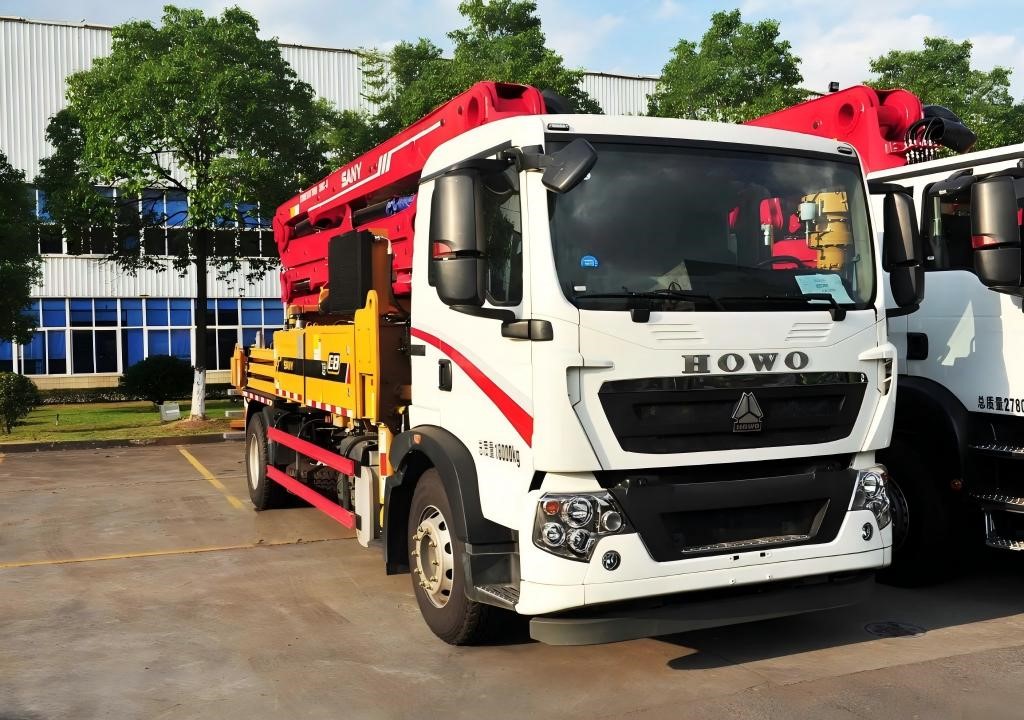
How Can Construction Teams Prevent Concrete Pump Accidents?
Operator Training and Certification Requirements
Operator training is the foundation for concrete pump safety. Certified operators comprehend equipment limitations, pressure behavior, and emergency procedures. The training includes setup, operation, cleaning, and shutdown procedures. Operators must also be familiar with the site’s risks and communication methods. Certification guarantees that operators fulfill industry and regulatory requirements. Refresher training might help with new equipment, updated rules, or changing site circumstances. Well-trained operators identify warning indicators early and halt work when harmful situations arise. Investing in training lowers operator error, enhances decision-making, and boosts confidence. Qualified operators safeguard workers, equipment, and project deadlines while providing consistent, professional concrete pumping services on a variety of construction sites.
Routine Maintenance and Equipment Monitoring
Many concrete pump mishaps can be avoided with basic maintenance. Pumps, pipelines, and valves require regular maintenance to function properly. Replace broken seals, clean the filters, and check the pressure. Monitoring throughout the procedure is important. Operators must monitor gauges for pressure fluctuations. Unusual noises or vibrations indicate failure. Early problem resolution helps to avoid line bursts and mechanical breakdowns. Checking maintenance records helps to guarantee compliance. Well-maintained equipment operates reliably and safely. Monitoring and service reduce downtime, extend machine life, and avoid critical concrete placing failures.
Emergency Response Planning and Incident Reporting
Emergency response strategy prepares staff to deal with unanticipated concrete pump mishaps. Teams should have clear processes for hose failure, spills, and injuries. All operators and spotters must be aware of the emergency shutdown points. First aid materials and skilled responses should be readily available. During safety sessions, crews must rehearse their reaction protocols. Incident reporting is also very important. Documenting near misses and accidents aids in the identification of underlying causes. Management can then change processes and training. A solid reaction strategy decreases injury severity and downtime. Prompt reporting promotes continual improvement, regulatory compliance, and safer pumping operations for future projects and changing site circumstances.
Conclusion
Concrete pump safety requires planning, discipline, and teamwork when operating concrete pumps on active job sites. High-pressure equipment has a limited margin for error. Inspections, appropriate setup, communication, and protective clothing are the first line of defense. Training, maintenance, and emergency preparedness all help to lessen the likelihood of accidents. Construction teams that adhere to defined safety procedures safeguard workers and equipment while preserving productivity. Safe pumping operations also improve schedule dependability and cost control. A proactive safety culture transforms procedures into regular routines. When teams view safety as vital rather than optional, they generate stable work environments and predictable outcomes. Strong safety standards enable teams to accomplish concrete work efficiently, responsibly, and confidently in tough construction sites and under varying project conditions.