

Excavators’ productivity is determined by their speed, control, and reliability on the job site. The correct characteristics allow employees to move more material, cycle faster, and save time. Mismatched machinery impedes progress and exhausts operators. Before buying or renting an excavator, contractors must understand how its qualities affect output. The following excavator qualities have the greatest impact on workplace productivity. Power systems, machine design, and operator technology are discussed. Teams may select excavators with consistent performance, safer operation, and demonstrated output by focusing on actual attributes rather than marketing claims.
What Core Excavator Features Have the Biggest Impact on Productivity?
Engine Power, Hydraulics, and Machine Responsiveness
Engine power and hydraulic performance determine how quickly an excavator completes each task, whether operating a mini excavator or a larger model. A responsive engine produces consistent torque without consuming excessive gasoline. Efficient hydraulic systems deliver power smoothly to the boom, arm, and attachments. Rapid reaction enhances digging speed and load control. Poor hydraulics lead to delays, jerky movement, and wasted cycles. Operators operate more effectively when machines respond immediately to inputs. Balanced power reduces overheating and strain during strenuous tasks. Contractors should check flow rates, pressure ratings, and system tuning. Machines with improved power supply produce constant output under load, need less human adjustment, and complete more cycles per hour on demanding task locations.
Operating Weight, Stability, and Lifting Capacity
Operating weight and stability influence excavation safety and efficiency. Machines with a higher weight balance are used for lifting and digging. Repositioning is reduced with an adequate balancing design. Stable excavators cycle faster and without hesitation. Insufficient weight impedes lifting and growth. Excess weight might hinder access and damage the ground. Operator weight must be appropriate for the task at hand and the conditions on the job site. The rated lifting capacity offers operators confidence within limits. Stable platforms reduce corrective movements while improving accuracy. When machines are balanced under load, workers reduce safety stops, operate faster, and maintain output across terrain and materials.
Digging Depth, Reach, and Cycle Time Efficiency
Digging depth and reach determine how much work an excavator can do from a single location. Greater reach shortens repositioning and travel time. Adequate depth enables uninterrupted digging without staging changes. Cycle time efficiency refers to how quickly a machine completes an entire movement sequence. Faster cycles result in higher hourly productivity. Poor geometry requires operators to continually modify. Bucket fill and dump speeds are improved thanks to an optimized connection design. Contractors should compare reach charts with cycle time data. Efficient machines can do more work with fewer moves. Excavators provide increased productivity and smoother operation during lengthy workdays when their depth, reach, and cycle speed match task requirements.
Operator-Focused Features That Improve Daily Performance
Cab Comfort, Visibility, and Ergonomic Controls
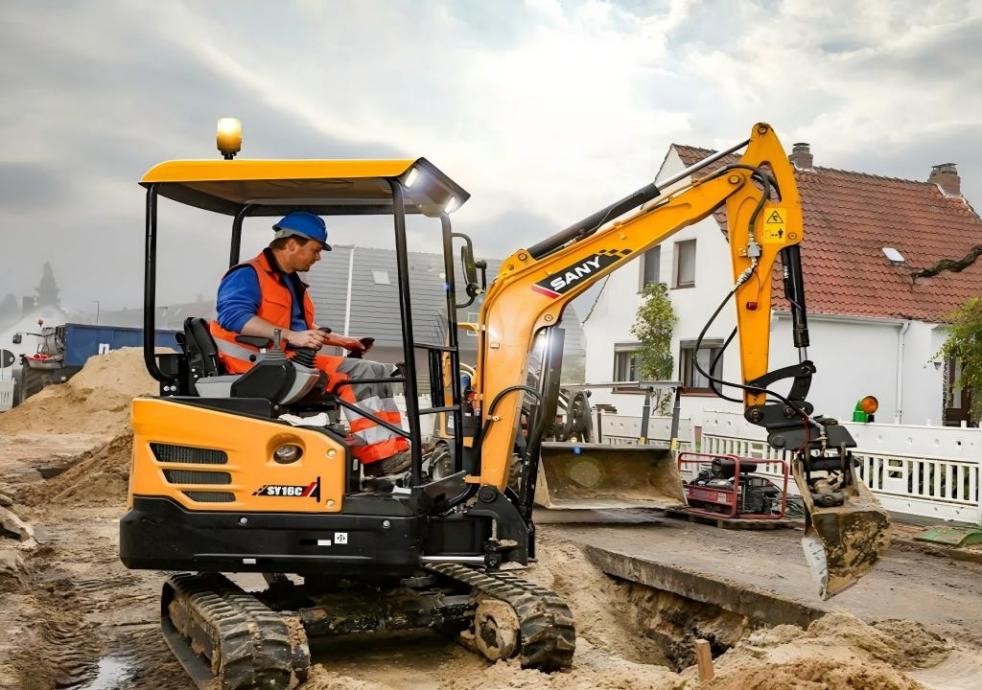
Operator comfort has a direct link to productivity and safety. A well-designed cab decreases fatigue on lengthy shifts. Adjustable chairs, temperature control, and low noise levels promote concentration. Wide visibility and video systems assist operators in correctly positioning cargo. Poor visibility prolongs indecision and corrective time. Ergonomic joysticks and pedals decrease strain while improving precision. Logical control arrangement reduces learning curves. Operators who stay comfortable maintain steady speed and precision. Contractors benefit from fewer mistakes and a smoother process. A productive excavator helps the operator physically and emotionally, allowing for consistent output, safer operation, and improved performance on difficult daily excavation duties.
Smart Controls, Automation, and Assist Technologies
Smart controls and automation increase consistency while reducing operator labor. Grade aid, swing control, and automatic digging are all features that help to maintain precision. Operators rely less on continuous manual correction. These solutions decrease rework and accelerate cycles. Automation also helps inexperienced operators without losing quality. Preset settings optimize power and hydraulics for certain applications. Assistive devices reduce excessive digging and unneeded motions. Contractors benefit from consistent results and reduced training times. When smart systems perform repetitive tasks, operators prioritize workflow and safety. These features increase efficiency, minimize tiredness, and help teams achieve increased output on complicated or fast-paced project sites.
Operator Monitoring, Telematics, and Performance Feedback
Telematics and monitoring systems offer insights into machine and operator performance. Data on fuel use, idle time, and cycle counts indicate inefficiencies. Managers may assess training requirements and alter procedures. Operators gain from input that promotes efficient behavior. Real-time notifications help avoid misuse and downtime. Performance tracking aids maintenance planning and scheduling. Contractors utilize data to compare the productivity of machinery and personnel. Transparent measurements eliminate guessing and increase responsibility. When teams actively use performance data, they increase efficiency and eliminate waste. Monitoring systems transform everyday operations into demonstrable improvements, enabling excavators to offer constant output and a higher return on investment.
Conclusion
Excavator productivity is dependent on elements that promote power, stability, efficiency, and operator performance. Cycle times are improved by strong engines, responsive hydraulics, and a well-balanced design. Operator-focused features minimize fatigue and improve accuracy. Smart controls and data systems provide consistency and insight. Contractors who thoroughly consider these qualities make more informed equipment selections. The proper excavator does more work with less effort and downtime. Practical design, rather than size or price, drives productivity benefits. Teams increase safety, cost management, and schedule compliance by selecting equipment with established performance qualities. Focused feature selection enables excavators to produce consistent outcomes across a wide range of projects and challenging work environments.