
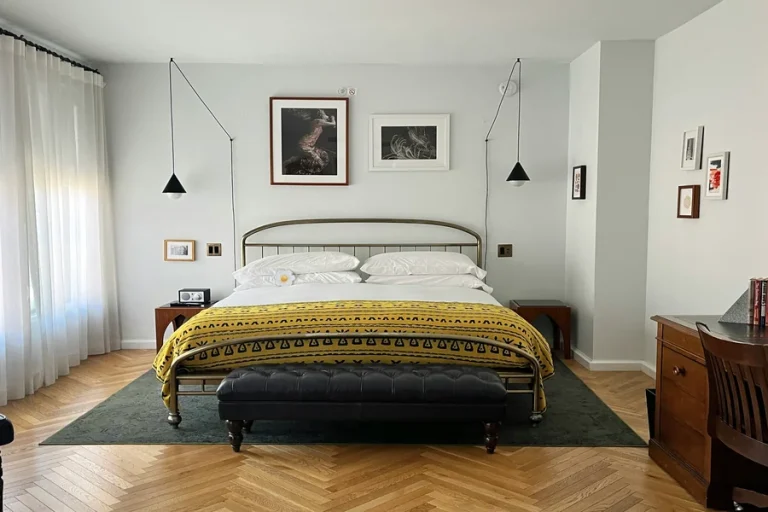
The guest room is often the most overlooked space in the home, relegated to a catchall for extra furniture, forgotten exercise equipment, or storage that never quite found another place to live. Yet when thoughtfully designed, a guest room has the potential to become one of the most inviting rooms in the house. The goal is not to replicate the feeling of a spare bedroom but to offer an experience that mirrors the comfort, polish, and subtle indulgence of a boutique hotel.
Such a task requires a balance of warmth and minimalism, where nothing feels overly personal yet everything feels considered. The best boutique hotels are memorable not because they overwhelm the senses, but because they make guests feel instantly relaxed. Translating that sensibility into a private home begins with intention.
Start With a Clear Mood
Every successful guest room begins with a mood. Boutique hotels rarely design rooms in isolation: instead, they build atmospheres. Whether the feeling is serene and minimalist, moody and romantic, or light and coastal, the guest room should have a clear emotional direction.
Neutral palettes remain a favorite for guest spaces, but neutrality does not have to mean bland. Soft layers of cream, warm gray, sand, or muted stone create a calming foundation that appeals to a wide range of tastes. These tones allow guests to settle in quickly, free from visual distraction. From there, subtle shifts in texture and tone add depth without demanding attention.
A defined mood also helps guide decisions, from lighting to artwork to textiles. When each element serves the same narrative, the room feels cohesive and quietly luxurious.
The Bed as the Centerpiece
In any boutique hotel, the bed is the star. In a guest room, it should command the same level of attention and care. Investing in a high-quality mattress is non-negotiable, as comfort will define your guest’s experience more than any decorative detail.
Layering is what elevates a bed from functional to indulgent. Crisp sheets form the base, followed by a plush duvet or coverlet, generously sized pillows, and a throw that creates a cozy feel. The palette should feel intentional, with tones that complement the overall mood of the room.
A well-proportioned headboard adds presence and anchors the bed visually. Upholstered options bring softness and comfort, while wood or metal designs introduce architectural interest.

Lighting That Sets the Mood
Lighting is one of the most powerful tools in creating a boutique hotel atmosphere. A single overhead light is rarely enough. Instead, layered lighting allows guests to adjust the room to their needs, whether reading, relaxing, or getting ready for the day.
Bedside lamps are essential, offering both symmetry and function. Wall-mounted sconces can free up surface space and add a tailored feel. Ambient lighting, such as a soft floor lamp or concealed LED strip, creates warmth and dimension.
Equally important is the quality of light. Warm-toned bulbs flatter skin tones and soften the room, while dimmers provide flexibility. Thoughtful lighting makes a guest room feel considered and comfortable at all hours.
Furniture That Balances Form and Function
Boutique hotels excel at making even small rooms feel generous. The secret lies in choosing furniture that is both beautiful and useful. In a guest room, every piece should earn its place.
A bedside table on each side of the bed provides balance and convenience. These do not need to match exactly, but they should relate in scale and tone. A small desk or writing table offers a place for a laptop or morning coffee, while a comfortable chair creates a moment for pause.
Storage is often overlooked in guest rooms, yet it plays a crucial role in comfort. A bench at the foot of the bed, a luggage rack, or a chest of drawers allows guests to unpack and settle in right from the moment of their arrival.
Textiles That Invite Touch
Textiles are where a guest room truly comes alive. Boutique hotels are masters of texture, using fabric to create warmth and softness. Curtains, rugs, bedding, and upholstery all contribute to the sensory experience of the room.
Window treatments should offer both privacy and light control. Linen or linen-blend curtains feel relaxed yet refined, while blackout linings ensure restful sleep. Underfoot, a rug adds comfort and defines the space.
Throws and cushions should feel inviting rather than decorative. Natural fibers such as wool, cotton, and linen add depth and breathe easily, enhancing comfort throughout the year.
A Palette That Feels Calm and Cohesive
Color plays a quiet but critical role in shaping how a guest room feels. Boutique hotels often rely on restrained, soothing palettes. Soft blues, warm neutrals, gentle greens, and muted earth tones are perennial favorites.
The key is cohesion. Walls, textiles, and furniture should speak the same visual language, even if they vary in shade or texture. This creates a sense of effortless harmony.
Accent colors work best when used sparingly. A single deeper tone, perhaps echoed in artwork or cushions, can add depth without disrupting the calm atmosphere.
Art That Adds Character Without Overpowering
Art gives a guest room personality, but it should never feel overly personal or dominant. The goal is to spark interest while remaining universally appealing. Boutique hotels often favor abstract works, landscapes, or textural pieces that invite interpretation.
Scale matters. One or two well-chosen pieces can have more impact than a crowded gallery wall. A framed mosaic artwork can introduce texture and craftsmanship, acting as a focal point while still feeling understated.
Art placement should feel intentional, aligned with sightlines from the bed or seating area. When thoughtfully chosen, art elevates the room and reinforces its mood.
Details That Anticipate Comfort
What separates a good guest room from a great one is attention to detail. Boutique hotels excel at anticipating needs, and this mindset translates beautifully into residential design.
Clear surfaces on bedside tables allow space for personal items. Easy access to power outlets or USB ports makes charging devices effortless. A carafe of water, a small tray, or a stack of fresh towels communicates care without intrusion.
Even small gestures, such as a full-length mirror or a softly upholstered bench, can dramatically improve the guest experience. These details signal that the room was designed with real people in mind.
Scent, Sound, and Sensory Experience
The atmosphere of a boutique hotel extends beyond what you see. Scent and sound play subtle but powerful roles. A lightly scented candle or diffuser can add warmth, but restraint is key. Fragrances should be clean and neutral, never overpowering.
Sound insulation is another often-overlooked factor. Heavy curtains, upholstered headboards, and rugs all help absorb noise, creating a quieter, more restful environment.
The goal is to create a cocoon, a space that feels separate from the rest of the house while still connected to it.
Storage That Feels Discreet
Guests appreciate having space to store their belongings, even for a short stay. Providing a few empty drawers or a section of closet space makes the room feel welcoming and functional.
Avoid filling the guest room with personal items or excess decor. Boutique hotels are edited by nature, and this restraint is part of their appeal. An uncluttered room allows guests to project themselves into the space, making it feel temporarily their own.
The Bathroom Connection
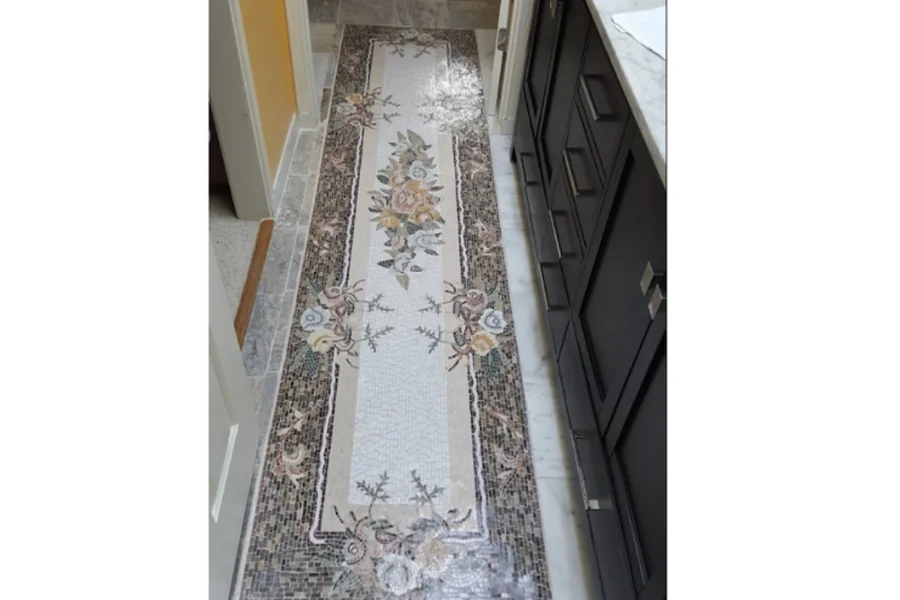
If the guest room includes an en-suite bathroom, the experience should feel seamless and thoughtfully designed. Soft towels, quality toiletries, and well-planned lighting can elevate even a small space. To create a boutique-hotel atmosphere, consider how surfaces contribute to both aesthetics and functionality. A mosaic rug set into the bathroom floor near the vanity or shower can introduce texture, pattern, and visual interest while remaining practical. Unlike traditional rugs, this design-forward detail feels permanent and luxurious, instantly giving the bathroom a signature style without cluttering the space. Even in a shared bathroom, dedicating thoughtful touches like this signals care and attention to every detail.
Making the Room Feel Welcoming, Not Staged
One of the defining qualities of boutique hotels is their ability to feel polished without feeling impersonal. Translating this balance into a home guest room requires a light touch.
Avoid overly themed decor or excessive symmetry. A few organic elements, such as a plant or a stack of books, add life and authenticity. The room should feel ready for a guest, not preserved for display.
Comfort should always take precedence over perfection. Wrinkles in linen, softened textures, and natural materials all contribute to a sense of ease.
Designing for Repeat Stays
The ultimate compliment to a guest room is when visitors look forward to staying again. This happens when the room offers consistency as well as comfort. A well-designed guest room becomes familiar, almost comforting, even to first-time visitors.
By focusing on quality, restraint, and thoughtful detail, it is possible to create a space that feels generous and refined without excess. Boutique hotels succeed because they understand that luxury is often found in simplicity, executed well.
Designing a guest room that feels like a boutique hotel is, at its core, an act of hospitality. It reflects a desire to make others feel comfortable, relaxed, and valued. When every choice is guided by this intention, the result is a space that welcomes guests over and over again.