
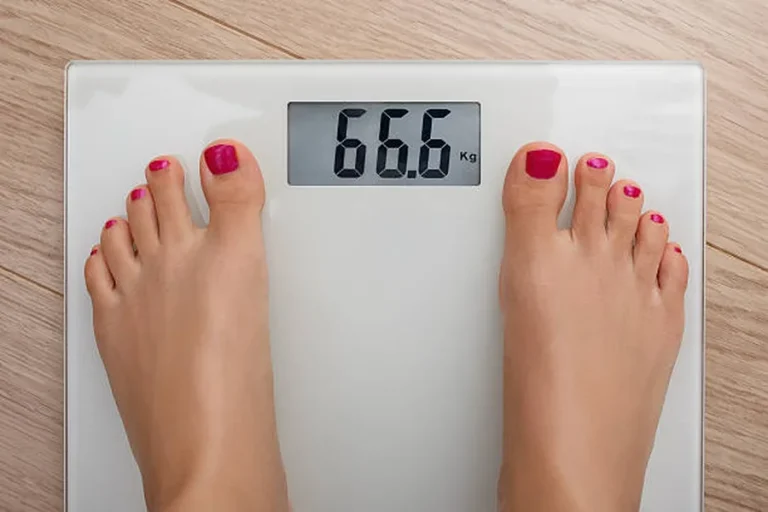
In the journey toward better health and fitness, the numbers we track—like weight, body fat, muscle mass, and BMI—tell a story. But to truly understand that story, we need to go beyond the surface. While a bathroom scale offers a simple snapshot, pairing it with a body composition analyzer turns that snapshot into a full health narrative.
Together, these tools provide clarity, context, and actionable insights into your body’s internal makeup—helping you move from guesswork to data-driven decisions. In this article, we’ll explore how these devices work together to reveal what the numbers really mean and how they contribute to building a complete picture of your health.
The Limitations of Weight Alone
Why the Scale Doesn’t Tell the Whole Story
A traditional bathroom scale tells you one thing: how much you weigh. While this can be helpful for tracking general trends, it lacks context.
- You might lose weight but lose muscle instead of fat.
- You might gain weight but increase lean muscle and reduce body fat.
- Water retention, bloating, or even the time of day can affect the number.
In other words, weight alone doesn’t distinguish between fat, muscle, water, or bone mass—key factors that influence health and appearance.
Introducing the Dynamic Duo: Bathroom Scales + Body Composition Analyzers
When used together, bathroom scales and body composition analyzers form a powerful health tracking system. Here’s how they complement each other:
| Tool | Primary Use | Key Data Provided |
| Bathroom Scale | Track body weight over time | Total body weight, BMI (in smart models), trends |
| Body Composition Analyzer | Measure body composition | Fat %, muscle mass, water %, visceral fat, BMR, etc. |
Together, they help answer not just “how much,” but “what” and “why.”
How Body Composition Analyzers Work
The Science Behind It
Body composition analyzers use a method called bioelectrical impedance analysis (BIA). A low-level electrical current is passed through your body, and the device measures how easily it travels.
- Fat tissue resists electrical flow more than muscle.
- Muscle and water conduct electricity more easily.
By analyzing this resistance, the device calculates estimates for:
- Body fat percentage
- Muscle mass
- Bone mass
- Water content
- Visceral fat (deep fat around organs)
- Basal Metabolic Rate (BMR)
- Metabolic age
These results are presented alongside your total body weight, offering a multidimensional view of your health.
Understanding Key Metrics and What They Mean
1. Body Fat Percentage
This metric shows how much of your body is fat. Ideal ranges vary:
- Men: 10%–20%
- Women: 18%–28%
Why it matters: Too much fat, especially visceral fat, increases the risk of diabetes, heart disease, and other chronic conditions.
2. Muscle Mass
Indicates the amount of lean muscle in your body.
Why it matters: More muscle = higher metabolism, better strength, and improved physical performance.
3. Water Percentage
Shows total body water as a percentage of your weight.
Why it matters: Dehydration can skew your weight and health results. Proper hydration is essential for metabolism and organ function.
4. Bone Mass
Measures the estimated weight of bone mineral content.
Why it matters: Important for monitoring bone health, especially for aging individuals or those at risk of osteoporosis.
5. Basal Metabolic Rate (BMR)
Indicates the number of calories your body burns at rest.
Why it matters: Helps tailor your nutrition plan—whether for weight loss, maintenance, or muscle gain.
Decoding Health Scenarios with Both Devices
Let’s look at real-world situations to understand how smart bathroom scales and body composition analyzers work together to interpret your body’s changes.
Scenario 1: The “No Progress” Plateau
- Scale says: Your weight hasn’t changed in two weeks.
- Analyzer says: Muscle mass is up, fat % is down.
Conclusion: You’re gaining lean muscle while losing fat—a positive transformation despite no change in overall weight.
Scenario 2: Sudden Weight Drop
- Scale says: You lost 3 kg in 5 days.
- Analyzer says: Muscle and water levels have decreased; fat % unchanged.
Conclusion: Likely water loss or muscle loss—not healthy or sustainable fat loss. Adjust nutrition and training.
Scenario 3: Post-Workout Reading
- Scale says: You gained weight overnight.
- Analyzer says: Water % is higher due to inflammation from a workout.
Conclusion: Normal post-exercise water retention. Avoid panic—this is temporary.
Benefits of Combined Use for Personalized Health Planning
1. More Accurate Goal Setting
Using both tools helps you set smarter goals:
- Targeting fat loss instead of just weight loss
- Maintaining or increasing lean muscle mass
- Monitoring hydration and metabolism
2. Customized Nutrition Planning
Knowing your BMR, body fat, and muscle mass helps define:
- Caloric intake
- Protein, carb, and fat distribution
- Supplement and hydration needs
3. Training Optimization
Workouts can be adapted based on:
- Muscle development
- Fat retention zones
- Energy expenditure
Whether you’re into strength training, cardio, or HIIT, data ensures you’re on the right path.
Smart Integration with Mobile Apps and Devices
Modern devices sync with apps like:
- Apple Health
- Google Fit
- Fitbit
- MyFitnessPal
- Samsung Health
This integration offers:
- Trend graphs over weeks or months
- Health reports
- Goal tracking with real-time feedback
- Coach or nutritionist sharing options
The more connected your data, the clearer your health story becomes.
Who Should Use Both Devices?
1. Fitness Enthusiasts
Track strength gains, fat loss, and metabolic improvements with precision.
2. Weight Loss Seekers
Avoid misleading scale readings. Focus on body recomposition—losing fat, gaining muscle.
3. Chronic Disease Patients
For those managing diabetes, PCOS, or metabolic syndrome, body composition analysis provides critical insights into risk factors and improvements.
4. Older Adults
Monitor muscle and bone health, and maintain hydration and energy needs effectively.
Choosing the Right Tools
Look For:
- Accuracy: Clinical-grade BIA technology
- Connectivity: Wi-Fi/Bluetooth app syncing
- Multi-user capability: Ideal for families or group settings
- Readable interface: Clear display with intuitive navigation
Recommended Brands
- Withings Body+
- Renpho Smart Scale
- Tanita
- InBody
- FitTrack Dara
Your body is constantly changing—and it deserves more than just a number on a scale. By combining the insights of bathroom scales and body composition analyzers, you gain a richer, more accurate picture of your health.
This powerful duo helps you decode what’s really happening inside your body: whether you’re making progress, maintaining, or needing to pivot. With this level of awareness, you can create smarter nutrition plans, more effective workouts, and healthier habits—for results that last.