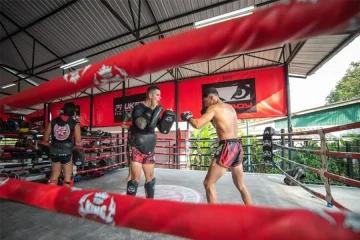
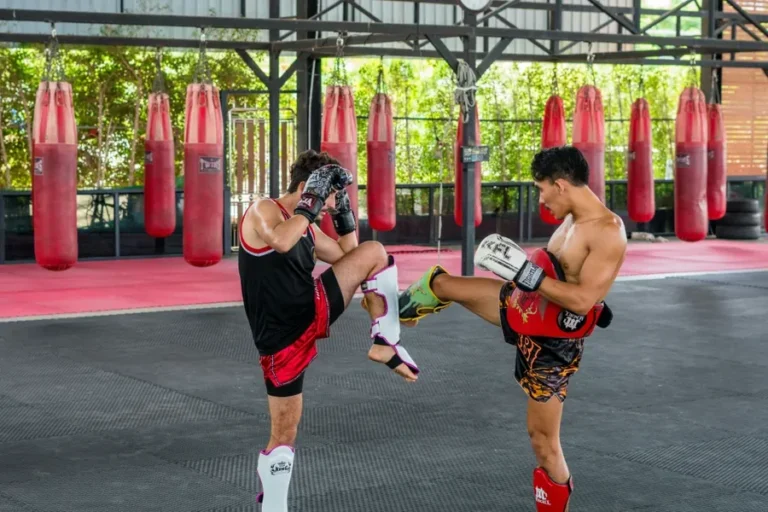
Backpacking through Southeast Asia is an incredible milestone, filled with night markets, ancient temples, and stunning beaches. However, a new generation of active travelers is choosing to replace passive sightseeing with skill based immersive experiences. Integrating structured Muay Thai training into your travel itinerary is the ultimate way to experience authentic local culture while building high performance conditioning. By swapping a few hours of lounging for the disciplined, high energy rhythm of a traditional martial art camp, you can explore the country with a profound sense of purpose without draining your savings. Beginner martial art program is a new travel trend for backpackers. Mastering your budget while chasing athletic progression is entirely possible with the right strategic planning.
Selecting an Economical Geographic Training Hub
Thailand features highly distinct training landscapes, and matching the right location to your wallet is the foundation of a sustainable trip. If your itinerary is focused on a vibrant coastal lifestyle with vast modern health amenities, the island of Phuket is highly popular. However, the Chalong area attracts over 50,000 sports tourists annually, which drives up baseline living expenses. If your budget is lean, the northern cultural capital of Chiang Mai provides a serene backdrop with much lower rental fees and food costs. Selecting a northern camp allows your funds to stretch twice as far while still granting you full access to elite, champion caliber instruction. There are many beginner martial art programs in Chlaong area.
Navigating the Costs of Camp Memberships
Understanding the local economic structures helps you avoid financial stress during your travels. Standard group training memberships across Thailand typically range from 10,000 to 16,000 Thai Baht per month, which grants you access to twice daily training sessions from Monday through Saturday. If you are on a highly flexible schedule, purchasing a weekly pass for 2,500 to 3,500 Thai Baht or a single drop in session for 400 to 600 Thai Baht allows you to test different gym environments before committing. Always ask the gym management if their monthly fee automatically includes full access to on site weight lifting infrastructure.
Securing Affordable Accommodation and Local Sustenance
Managing your daily living costs is where you can achieve the most significant savings during your fitness residency. Many premium martial art camps offer convenient on site accommodation packages ranging from 16,000 to 27,000 Thai Baht per month, but backpackers can find cheaper options off site. Renting a local apartment with a simple fan can cost as little as 5,000 to 8,000 Thai Baht per month. For food, avoid Western style fitness cafes and stick to local Thai markets. A nutritious meal of basil chicken with rice provides excellent clean protein and costs only 50 to 80 Thai Baht, keeping your body fueled efficiently. Suwitmuaythai with supporting academic excellence is an affordable Muay Thai program.
Utilizing the Local Muscle Recovery Infrastructure
To survive the physical demands of twice daily Muay Thai training sessions, your budget must include a small allocation for recovery. Working out in an average daily temperature of 31 degrees Celsius paired with 80 percent humidity places intense strain on your musculature. Fortunately, traditional deep tissue Thai massage is widely available for a modest 300 to 500 Thai Baht per hour. Incorporating this localized bodywork into your weekly routine helps lower baseline systemic cortisol levels by up to 25 percent, keeping your joints fully supple and reducing chronic soreness so you can continue your backpacking journey completely injury free.