From Red-Walled Canyons to Submerged Caverns
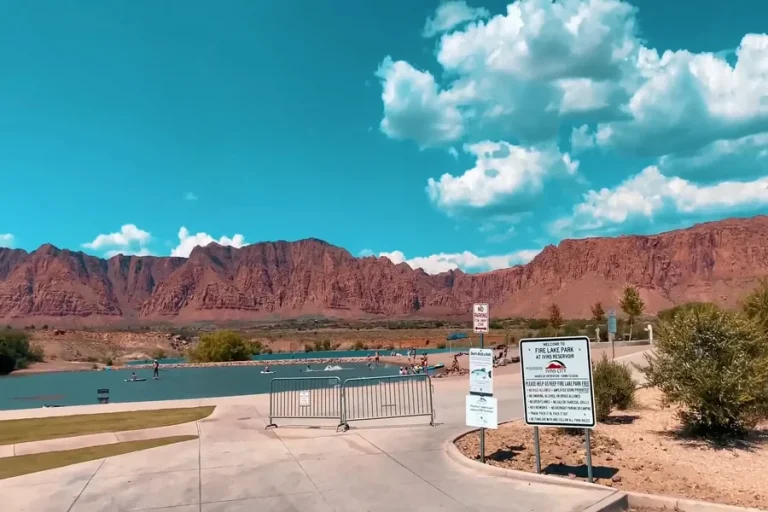
The cliffs blaze crimson under an unforgiving sun, heat radiating off sandstone like a kiln. Yet just beyond the dust and juniper, the water waits. It’s not the tropical turquoise of vacation brochures. It’s a muted, mineral-rich green that shifts to dark jade in shadow. Cold slips in fast once you’re beneath, fingertips brushing smooth silt or fractured rock surfaces that catch shards of sunlight like stained glass. Diving here snaps the mind into contrast: desert air thin and sharp above, an alien stillness below. These inland lakes and reservoirs reframe the red-rock expanse not as static scenery but as an ecosystem with teeth, edges, and secrets that reward those willing to sink beneath.
Geological Origins of Inland Oases near St. George
This land didn’t form quietly. Fault lines twisted the crust, volcanic outbursts sealed basins, and relentless erosion carved pockets now holding water. Reservoirs like Sand Hollow sit atop compressed sand beds, with walls of cemented sandstone riddled by fissures. Natural lakes, fewer but prized, reveal layered shelves and hidden caverns shaped by ancient floods. Slip underwater and you track grooves cut by centuries of sediment flow, each channel a breadcrumb trail to formations out of sight from shore. Lava flows hardened into tunnel-like structures that invite exploration. For those intent on serious aquatic discovery, scuba diving near St. George, Utah requires an appreciation of these violent geological histories, because the terrain below the surface is as aggressive and complex as what towers above.
Desert Lake Biodiversity for Southern Utah Diving
Freshwater here is not lifeless. Bigmouth buffalo cruise the depths, their bronze scales flashing in dim light, while schools of bluegill pivot like coins in currents. Long strands of pondweed provide cover for young bass and, in warmer months, sprout blooms that turn coves into dense green jungles. Seasonal swarms of freshwater shrimp roll across sandy bottoms, drawing quick strikes from catfish, which leave behind billowing silt that blinds nearby predators. It’s a closed loop of opportunism. Unlike reef systems, nothing here glitters with coral brilliance. Instead, biodiversity in desert lakes is a study in adaptation—species lean into scarcity, timing their life cycles to sudden algae surges or brief temperature windows, creating a rhythm far harsher than sea-level habitats.
Gear Essentials for High-Altitude Freshwater Dives
The wrong setup can ruin a dive before you hit thirty feet. DIN regulators handle higher pressures better here than yokes, paired with full-length exposure suits to guard against the chill of spring-fed inlets. Freshwater changes buoyancy math, so add weight incrementally or you’ll be fighting to descend. Masks with low-volume frames sharpen focus, reducing eye strain when light cuts in at odd angles. Fins with firm blades offer control over sandy floors with negligible current. A quick checklist before wet entry: regulator secure, weights balanced, exposure suit zipped, gauges reading clean, and a backup light ready for murky turns. Skip the checklist and you invite headaches in water where help isn’t a swim away.
Desert Scuba Dive Visibility and Seasonal Shifts
Clarity is fickle. Temperature stratification layers the water, with abrupt changes at depth smearing visibility from crystal-clear to milky haze in a few feet. Spring can bring silt-laden runoff that guts transparency. Early fall often delivers the clearest lanes, algae retreating as water cools. Time your dives accordingly and you’ll cut down on frustration. If storms or sudden snowmelt push in cold currents, pivot the plan. Drop to mid-depths instead of chasing the bottom. Good divers adapt underwater as quickly as they do topside, especially in lakes where the view shifts faster than the forecast.
Safety Protocols for Inland Lake Diving Adventures
Altitude means shorter bottom times and longer safety stops. Adjust your dive computer or reference altitude tables or risk nitrogen issues that ruin more than your weekend. Remote reservoirs demand redundancy. Carry GPS waypoints and a waterproof radio or sat phone. Float lines help keep surface contacts with shore spotters in case the wind builds. Buddy checks here aren’t ceremonial; confirm air supply, signaling devices, and thermal protection before you hit the water. Out in the desert, your margin for error doesn’t just shrink—it evaporates.
Mapping Lesser-Known Desert Dive Locations
Petroglyph Sinkhole, a 65-foot limestone depression hidden beyond a cattle gate, offers pale cavern walls lined with mineral deposits. Depth control is critical here due to rapid shading shifts. Sand Hollow’s South Ridge delivers broad sandy slopes tapering to a rubble base with scattered fishing pier remnants. Expect crawfish under slabs and bass schooling just off the drop-off. Quail Creek’s West Cove hides a submerged arch of volcanic rock, reachable by kayak from the main lot, permit required. Each site trades easy access for unique geology and reduced crowds, though conditions vary wildly. For more options, consider scuba diving St George Utah with operators who understand the quirks and hazards of these inland waters.
Final Dive Planning Checklist
- Permit and fee requirements
• Optimal seasons matched with low-runoff periods
• Gear packing reminders to prevent forgotten essentials
• Safety and communication kit, tested before departure
Schedule dives at least a week ahead to lock in conditions. Review reservoir levels online since entry points can shift as water rises or recedes.
Charting Your Next Underwater Expedition
Leave the tourist photo ops behind. Here, dives cut into terrain most visitors never imagine exists. The experience blends the austerity of desert cliffs with the hush of submerged corridors, producing a contrast as sharp as sandstone against cold water. Step in prepared, and the desert becomes more than dust and heat—it becomes a second world worth sinking into.