Beginning the Expedition: The Call of Two Wheels
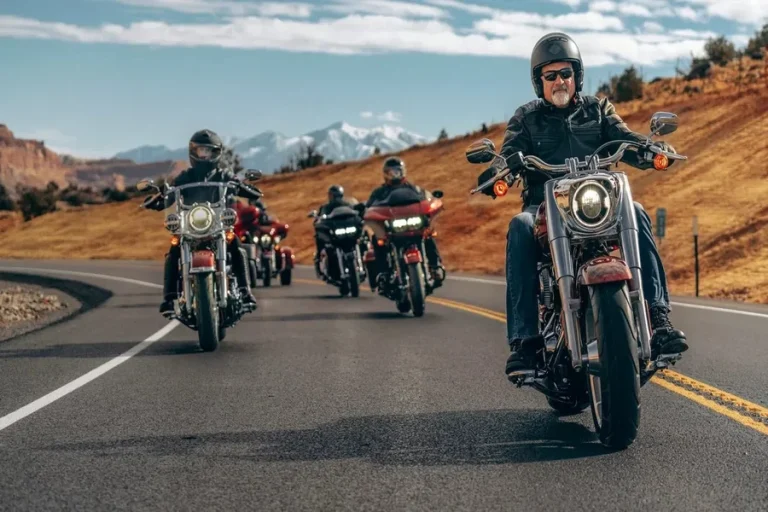
Motorcycle touring offers a unique form of travel. It is about a deep connection with the surrounding world. Unlike traveling inside a car, riding a motorcycle is an immersive experience. The rider feels the temperature changes, smells the forests and fields, and hears the sounds of the environment directly. This type of adventure focuses on the ride itself. Each mile brings new sensations and sights. The destination is part of the goal, but the true prize is found in the moments between start and finish. It is a genuine way to participate in the landscape, not just pass through it.
The Appeal of Open-Air Exploration
Traveling on a motorcycle fosters a sense of independence and self-reliance. It requires attention and skill, which builds confidence. The direct interaction with the elements creates a raw, unfiltered experience. A rider feels the wind, the sun, and the rain. This sensory input makes memories more vivid and lasting. This differs from enclosed travel, where the world is seen through a window. On a motorcycle, a person is part of the scene. This connection can lead to moments of quiet thought and a greater appreciation for the natural beauty of different regions. It is an active way to see the world, promoting a strong sense of presence and discovery.
Charting Your Course: Strategic Route Planning
A successful tour starts with good preparation. Planning a route is a balance between structure and freedom. A well-thought-out plan improves safety and reduces stress, leaving more room for enjoyment.
Key factors to consider include:
- Destination Type: Choose a region that matches a rider’s interest, such as mountain passes, coastal highways, or historic roads.
- Daily Distance: A realistic daily mileage prevents fatigue. A good range is often 200-300 miles, allowing for stops and sightseeing.
- Road Conditions: Research the types of roads on the route. Check for construction, closures, or unpaved sections.
- Weather: Review typical weather patterns for the season and region. Pack gear appropriate for expected conditions.
- Lodging: Decide between camping or staying in hotels. It is wise to book accommodations in advance, especially in popular areas.
While a solid plan is essential, the best tours often include spontaneous detours. A flexible schedule allows riders to follow an interesting side road or spend extra time in a new town.
Equipping for the Road: Beyond the Basics
Proper gear is fundamental for safety and comfort on a long motorcycle tour. Packing should be light but comprehensive, covering protection, navigation, and potential emergencies. Smart preparation ensures a rider is ready for varied conditions.
| Gear Category | Essential Items | Purpose |
| Protective Apparel | Full-face helmet, armored jacket and pants, gloves, sturdy boots | Protects from impact and weather, reduces fatigue |
| Navigation | GPS unit, physical maps, smartphone with offline maps | Ensures reliable guidance in areas with poor cell service |
| Communication | Bluetooth helmet communicator, personal locator beacon | Allows for communication with other riders and emergency contact |
| Emergency Supplies | First-aid kit, tire repair kit, basic tool set, roadside assistance | Helps manage minor mechanical issues or injuries |
Choosing multi-purpose items helps save space. For instance, a waterproof riding suit handles both rain and cool temperatures. Careful packing means a rider can handle almost anything the road presents.
Securing Your Adventure Ride: Ownership or Temporary Solutions?
Obtaining the right motorcycle is a core part of trip preparation. Riders have two primary choices: using a personal motorcycle or renting one. Owning a bike means it is familiar and set up for individual comfort. However, ownership involves costs for maintenance, insurance, storage, and transport for distant trips.
Rental services offer a different set of benefits. They provide a practical alternative without the long-term duties of ownership. This option is excellent for trying different types of motorcycles, such as cruisers, sport-touring bikes, or adventure models. Rentals are a simple solution for those planning a fly-and-ride trip. A rider interested in the scenic byways of the American West could use a Utah motorcycle rental to gain immediate access to national parks without the challenge of transporting a personal bike across the country. Renting avoids adding wear and tear to one’s own motorcycle and removes logistical headaches.
On the Open Road: Practical Skills for a Seamless Ride
Once the tour begins, certain practices help make the ride smooth and safe. A defensive mindset is a rider’s best tool. This means staying alert, anticipating the actions of other drivers, and maintaining a safe following distance.
Managing rider fatigue is also vital. Long hours in the saddle can dull reaction times. It is wise to:
- Take frequent breaks, at least every 90 minutes.
- Stay hydrated by drinking plenty of water.
- Eat light meals to avoid feeling drowsy.
- Stop for the day before exhaustion sets in.
Before starting each day, a quick check of the motorcycle is a good habit. Look at the tires, lights, and fluid levels. Being aware of local traffic customs and laws is also important, as they can change from one place to another. Responsible riding not only ensures personal safety but also shows respect for the communities visited along the way.
An Ever-Expanding Horizon
A motorcycle tour is more than a simple vacation. It is an active pursuit that builds character and creates lasting memories. The value is found in the challenges met, the sights seen, and the sense of accomplishment that comes from covering great distances on two wheels. Every trip is a story waiting to be written, on roads that lead to new perspectives. The preparation is part of the experience, and the rewards are measured in miles and moments.