Why Embark on a Komodo Island Tour?
So, why should you pack your bags and head to Komodo Island? Honestly, it’s a place that just hits different. You’re going to see nature in its most raw, untamed form, mixed with a culture that’s really unique. It’s not just about seeing cool stuff; it’s about really disconnecting from your everyday grind. Think about it: no constant phone notifications, just you, the ocean, and maybe a dragon or two. It’s a chance to actually be present and embrace a bit of real adventure. Plus, let’s not forget, this whole area is a UNESCO World Heritage Site. That means it’s recognized globally as somewhere incredibly special and worth protecting. You’re not just going on a vacation; you’re visiting a place of international importance. It’s pretty cool when you can say that about your trip, right? Many people look for private Komodo Island boat tour reviews before booking, and it’s a smart move to get a feel for what to expect.
Choosing Your Komodo Adventure

So, you’re thinking about Komodo, huh? Awesome choice. But before you get all excited about dragons and pink beaches, you gotta figure out how you want to do this thing. It’s not a one-size-fits-all deal. You can totally do a quick day trip from Labuan Bajo if you’re short on time, just to get a taste of it. But honestly, if you can swing it, spending a few days out on the water is where it’s at. You get to really soak it all in, see more islands, and maybe even catch a glimpse of some amazing marine life without feeling rushed. Think of it like this: a day trip is like a quick hello, but a multi-day boat tour is like actually getting to know the place. And if you’re feeling fancy, or maybe you’ve got a group and want your own private experience, there are always those luxury boat charters. Those are definitely a splurge, but you get your own crew, your own schedule, and a seriously comfortable way to see everything. It really just depends on your budget and how much time you have to explore.
Top Things to Do on Your Komodo Island Tour
Meet the Legendary Komodo Dragons
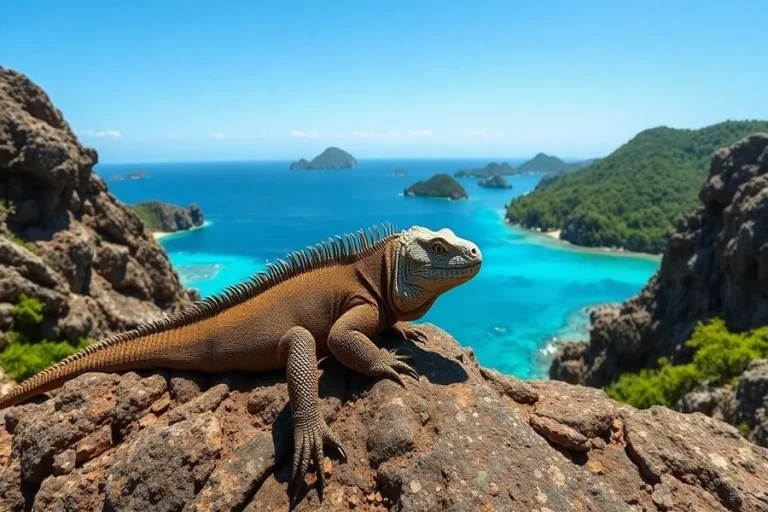
Let’s be real, the main reason you’re probably looking at a Komodo Island tour is to see those giant lizards, right? You’ll get your chance on Komodo Island itself or Rinca Island. Most tours will take you to one of these spots. You’ll go on a walk with a park ranger who knows all the best places to find them. They’re huge, like 8 to 10 feet long, so keep a safe distance like the rangers tell you. They carry sticks, just in case. You might see them chilling by water or even hunting. It’s pretty wild.
Hike Padar Island for Breathtaking Views
Padar Island is like the postcard picture of Komodo. Everyone talks about the view from the top. You hike up, it’s not super long, maybe 20-30 minutes, and there are stairs and a path. Wear decent shoes because it can be rocky. When you get to the top, wow. Three bays with bright blue water curve around the island. It’s amazing, especially if you can catch it at sunrise. If you do a komodo boat tour 3 days 2 nights or a komodo boat tour 4 days 3 nights, you might get to see this early in the morning. Definitely bring your camera for this one.
Snorkel and Dive in Vibrant Waters
Komodo isn’t just about the dragons on land. The water is incredible too. You’ll likely stop at places like Manta Point to swim with manta rays. They’re huge but really gentle. You might also see sea turtles and tons of colorful fish around the coral. The water is super clear, so you can see a lot even just with a snorkel. If you’re a diver, some tours offer dives, or you can look into liveaboard options for a more serious diving experience. Even if you just snorkel, the underwater world is a huge part of what makes a Komodo Island tour so special. You might also visit places like Siaba Besar, known as ‘Turtle City,’ where swimming with turtles is common. And don’t forget the pink beaches – yes, the sand is actually pink from bits of coral. It’s pretty unique.
Essential Tips for an Unforgettable Komodo Tour
Getting your Komodo adventure sorted means picking the right people to go with. With so many boat trips and companies popping up, it’s a good idea to do a little digging. Look for operators with solid reviews and clear communication. Your trip’s vibe and safety really depend on the crew and the boat itself. Going for the absolute cheapest option might seem tempting, but sometimes that means older boats or way too many people crammed on board. The mid-range and up places usually follow the rules better, have guides who actually speak English and know their stuff, and they handle the park fees properly. Since they’re limiting how many people can visit certain spots in 2025, make sure your chosen company has your entry permits sorted for the dates you want to go. A bit of homework beforehand makes everything run much smoother.
Packing for a Komodo boat trip is all about being smart with limited space. You’ll definitely want sunscreen because that sun is no joke, and the glare off the water can burn you fast. A hat and sunglasses are a must, too. Bring your swimwear, and maybe a rash guard or light shirt to wear while snorkeling – it helps with sun protection and keeps you from getting stung by anything floating around. For walking on islands like Padar or Komodo, comfy shoes or sturdy sandals are key because the ground can be rocky. Don’t forget bug spray, especially for the evenings, and any personal medicines you need. A light jacket or a sarong is nice for cooler nights. A dry bag is super handy for keeping your phone and camera safe from splashes when you’re on the boat or getting on and off islands. If you have your own snorkel gear you really like, feel free to bring it, but most tours provide it, so it’s not a deal-breaker. And if you have an underwater camera or a GoPro, bring it along – you’ll want to capture those amazing manta ray or turtle sightings!
When you’re out there to see the famous Komodo dragons, remember these are wild animals, and they can be dangerous. Always listen to the park rangers. Keep a good distance, like at least 5 meters or about 15 feet away. Never wander off by yourself or leave your group on the trails. If a dragon comes near, stay calm and slowly move back the way the ranger tells you to. Don’t run or make sudden moves. There’s a bit of old advice about women on their period needing to tell their guide or ranger because dragons have a strong sense of smell; the rangers might take extra care or suggest sticking to Rinca island where the dragons are more used to people. When you’re taking pictures, don’t try to get a selfie too close – just use your camera’s zoom. Accidents are super rare, and the rangers have special sticks for safety, so as long as you follow the rules, seeing the dragons will be a safe and really cool experience. Also, remember that Komodo National Park is a special place, and it’s pretty fragile. Help keep it clean by not leaving any trash behind. If you smoke, be really careful with ashes and cigarette butts – it’s best to avoid smoking on the islands or the boat altogether. Take all your trash with you, or use the bins on the boat. They’ve banned single-use plastics in the park now, so most tours give you water refills, which is great. Just bring your own reusable water bottle. When you’re snorkeling or diving, don’t touch or bother any of the sea creatures. Try not to kick the coral with your fins – good buoyancy helps with that. Sunscreen can also harm coral, so if you can, use reef-safe sunscreen or just wear that rash guard for sun protection instead. And please, don’t feed the animals. By being a responsible tourist, you help make sure everyone else can enjoy Komodo’s beauty for years to come. You’ll also find that Wi-Fi and phone signal pretty much disappear once you leave Labuan Bajo. But honestly, that’s part of the charm of a Komodo Island tour. You trade screen time for real-life amazing sights: watching the sky turn fiery colors at sunset, hearing the waves and little geckos at night, and that sudden shout of “Manta below!” as everyone rushes to the railing. Those are the moments that really make the trip.
Getting to Komodo Island
So, you’re planning your big trip to Komodo Island, and the first thing you need to figure out is how to actually get there. Most folks fly into Labuan Bajo, which is this bustling little town on Flores Island. Think of it as your jumping-off point for all things Komodo. You can catch flights here from major hubs like Bali or Jakarta. It’s usually a pretty straightforward flight, and once you land, the adventure really begins. From Labuan Bajo, you’ll hop on a boat. This is where the real magic happens, as you’ll be sailing through these incredible turquoise waters to reach the islands. If you’re looking for a more personalized experience, a private Komodo Island boat tour is definitely the way to go. You can find various private Komodo Island boat tour packages that cater to different budgets and preferences. When considering the private Komodo Island boat tour cost, remember you’re getting a tailor-made experience. The best private Komodo Island boat tour will depend on what you want to see and do, but booking a private Komodo Island boat tour from Labuan Bajo is the standard starting point. Just be sure to look into the private Komodo Island boat tour price to make sure it fits your plans.
Best Time to Visit Komodo National Park
So, you’re wondering when’s the best time to plan your Komodo Island adventure? It really depends on what you’re looking for, but generally, the dry season is your friend here. Think April through November.
Understanding Seasonal Variations
Let’s break it down. From April to June, right after the rains, the islands are super green and pretty. The water is usually calm, and the weather is nice – sunny but not scorching. If you like clear water for snorkeling or seeing those famous pink flowers on Padar Island, this is a sweet spot. July and August are peak times. It’s dry, sunny, and the dragons are often out and about. Just be ready for more people, and maybe slightly rougher seas in August, though bigger boats handle it fine. September to November is another great window. The crowds ease up a bit, and the diving visibility is often at its best. You might catch a shower in November as the wet season starts creeping in, but it’s usually not a big deal.
Planning for Ideal Sea Conditions and Wildlife
Now, about the wet season, which runs from December to March. It doesn’t mean constant rain, but you’ll see more showers, and the seas can get choppy. Some boat tours might even take a break, especially in January and February when conditions are at their least predictable. If you’re set on visiting during these months, it’s wise to book with companies that still operate and maybe add a buffer day in Labuan Bajo in case your tour gets delayed by weather. You might also find better deals, but flexibility is key. For manta ray enthusiasts, December through February can actually be a good time, as large numbers of mantas are often spotted around Manta Point.
Sustainability and Conservation Efforts
Contributing to Preservation
Komodo National Park is a pretty special place, and it’s up to all of us to help keep it that way. The Indonesian government is really trying to manage tourism here so it doesn’t get too overwhelming, which is great. When you book a trip, you’re actually helping fund the work that goes into protecting this unique environment. It’s kind of cool to think that your vacation is directly supporting the conservation of these amazing islands and the creatures that live here. It’s not just about seeing the dragons; it’s about making sure they’re around for a long, long time.
Responsible Tourism Practices
So, what does being a responsible tourist here actually look like? First off, ditch the single-use plastics. Most tours will have water refill stations, so bring your own reusable bottle. Seriously, it makes a difference. When you’re out on the water, whether you’re snorkeling or just enjoying the view, don’t touch anything. That means no touching the coral – those fins can do a lot of damage if you’re not careful with your buoyancy. And if you’re using sunscreen, try to find one that’s safe for reefs, or just wear a rash guard. It’s better for the ocean and protects you from the sun too. Also, a big one: don’t feed the wildlife. It might seem harmless, but it messes with their natural behavior. Just observe from a distance and let them be. Following these simple rules means everyone, including future visitors, gets to experience the magic of Komodo.
So, Ready for Your Komodo Adventure?
Alright, so you’ve got the lowdown on Komodo for 2025. It’s a pretty wild place, right? You’ve got these giant lizards, beaches that are actually pink, and water so clear you’ll want to jump in. Remember to book with a good company – it makes a huge difference. And when you’re out there, try to ditch your phone for a bit. Seriously, the sunsets and the stars are way better than scrolling. It’s a trip that’s going to stick with you, for sure. Go plan it!