If your breakfast leaves you hunting for snacks by 10 a.m., the problem usually isn’t willpower—it’s satiety. Protein is the most filling macronutrient, and when you pair it with smart carbohydrates and fiber, you create breakfasts and lunches that actually keep you going. That’s where high-protein, lower-carb breads come in: they give you the chew, toast, and sandwich potential you love, with the macros that help you stay satisfied longer.
Why protein changes the fullness game
Protein slows gastric emptying and supports stable energy, while fiber and fats help extend that effect. Compared with conventional loaves, high-protein formulas deliver more staying power per bite—especially when you layer them with protein-rich toppings. Think of each slice as a reliable platform for eggs, cottage cheese, tuna salad, or tofu—foods that help you hit your protein target without a blood-sugar roller coaster.
What qualifies as “high-protein” in a bread?
A practical rule of thumb: aim for at least 10 grams of protein in two slices, and 3–5 grams of fiber. Also check that added sugars are minimal. Many lower carb breads use ingredients like vital wheat gluten, almond flour, flax, psyllium husk, or seed blends to lift protein and fiber while keeping net carbs restrained. Adding a scoop of whey powder can further boost the protein content. Texture varies by recipe, but the best versions toast beautifully and hold up to juicy fillings.
How to read labels without overthinking
When you’re scanning the bread aisle (or a product page), use this quick label checklist:
- Protein per two slices: 10–20g is a sweet spot for most people.
- Fiber per slice: 3g+ helps with fullness and digestive comfort.
- Net carbs per slice: low enough to fit your plan while leaving room for toppings.
- Ingredient quality: look for whole-food flours, seeds, and minimal sugar.
- Serving reality: if your “two-slice sandwich” is really three slices, recalc the macros.
A note on context: satiety isn’t only about one number. Hydration, sleep, stress, and total meal composition influence how full you feel. The goal with lower carb breads is to make the foundation of your meal pull its weight so you can focus on flavor and performance—without grazing all afternoon.
Five quick builds that punch above their macros
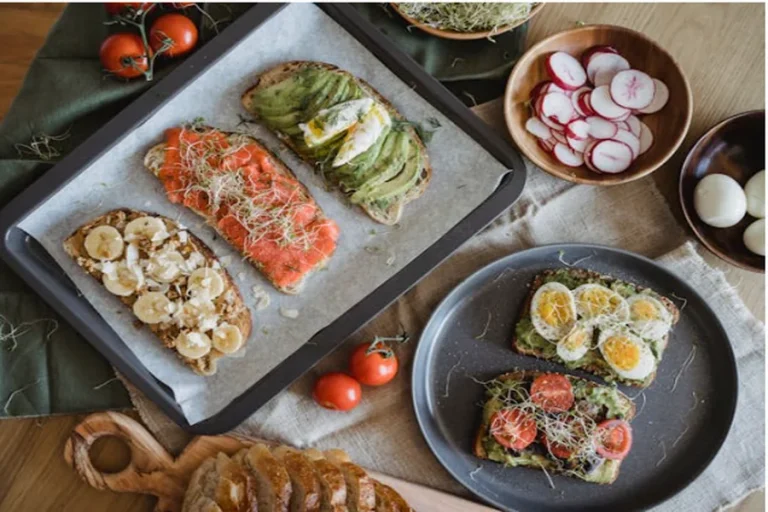
- Savory Greek Toast – two slices, whipped feta or cottage cheese, cucumber ribbons, tomatoes, olives, drizzle of olive oil, oregano.
- Breakfast Club – scrambled eggs, turkey bacon, baby spinach, mustard.
- Tempeh “BLT” – crispy tempeh, lettuce, tomato, avocado, pepper.
- Curry Tuna Crunch – tuna, Greek yogurt, curry powder, celery, lemon.
- Berry Ricotta – ricotta, crushed raspberries, chia sprinkle, cinnamon.
Each of these relies on lower carb breads to carry more protein and fiber in fewer carbs, letting you customize calories upward or downward with toppings.
Pre- and post-workout timing
For pre-workout meals, keep fat lighter and lean into protein + modest carbs for steady energy. A smear of honey or banana slices on toasted lower carb breads with peanut powder and yogurt can be perfect 60–90 minutes before training. After workouts, protein is still the priority—pair turkey, egg whites, or tofu with avocado or light cheese to cover recovery needs without feeling heavy.
Sample “stay-full” day with High-Protein Lower Carb Breads
- Breakfast (7:30 a.m.): two slices of lower carb bread with egg + cottage cheese, tomato, and arugula; coffee or tea.
- Lunch (12:30 p.m.): grilled chicken panini on hearty high-protein slices, pesto, roasted peppers, and mozzarella; side salad.
- Snack (3:30 p.m.): apple with peanut butter; sparkling water.
- Dinner (7:00 p.m.): open-faced salmon melt on high-protein slices with lemon-dill yogurt and capers; roasted broccoli.
This pattern balances protein across the day and uses lower carb breads as a reliable anchor so you’re not chasing fullness at night.
The taste factor matters
Satiety is pointless if the bread is a chore to eat. Toastability, crust, crumb, and aroma all shape satisfaction. High-protein formulations have come a long way; many lower carb breads now deliver a mild wheat-like flavor or subtle nutty notes that pair well with sweet or savory toppings. If you’ve tried one brand and didn’t love it, don’t give up—recipes differ dramatically.
Common mistakes that ruin satiety (and how to fix them)
- Too little protein on top. Two slices with only butter or jam won’t cut it. Add 20–30g protein via eggs, lean meats, or dairy alternatives.
- Dry sandwiches. Low moisture reduces enjoyment and perceived fullness. Use juicy vegetables (tomato, cucumber), yogurt-based sauces, mustard, or pesto to improve mouthfeel.
- Skipping produce. Volume matters. Layer crunchy greens and fiber-rich veggies to increase fullness for almost no extra calories.
- Undersalting. If your diet is very low in processed foods, a pinch of salt or a flavorful condiment can make a big difference in satisfaction.
A quick shopping checklist
Build a short list before you head out:
- A high-protein loaf you enjoy the taste of.
- Eggs (or tofu/tempeh), Greek yogurt or cottage cheese, canned tuna or chicken.
- Leafy greens, tomatoes, cucumbers, onions, and a citrus fruit for brightness.
- A spreadable fat you like—avocado, nut butter, or olive-oil-based pesto.
Store, toast, and prep like a pro
Keep loaves in the fridge for week-long freshness or freeze in half-stacks and thaw only what you need. Toast from frozen for a crisp exterior and a tender middle. For meal prep, assemble sandwiches up to 24 hours ahead, but keep watery components (tomato, pickles) in a separate container and add right before eating. If you have access to a pan or press, a quick 90-second reheat brings back crunch and aroma that strongly influence satiety.
Why Low Carb Avenue belongs on your short list
If you want dependable texture and macros that support real-world eating, Low Carb Avenue’s lineup is designed for exactly that. Their high-protein options—like multigrain and sourdough-style slices—were crafted to toast crisply, stand up to stackable fillings, and keep net carbs in check. These loaves pair well with deli classics and modern, protein-forward builds. Start with a simple egg-and-greens sandwich, then try a pressed panini; either way, the structure holds and the toast crunch satisfies.
- Make protein the hero of your bread-based meals.
- Let fiber and smart fats extend fullness.
- Use lower-carb breads as a tool, not a crutch—pair them with protein-rich toppings.
- Experiment with toast level, fillings, and timing to learn what keeps you satisfied.
High-protein slices won’t do the work of sleep, hydration, and stress management—but they’re a powerful lever. Build your day around purposeful proteins, crunchy-fresh produce, and lower carb breads, and you’ll feel the difference from your first bite to your last email of the afternoon.