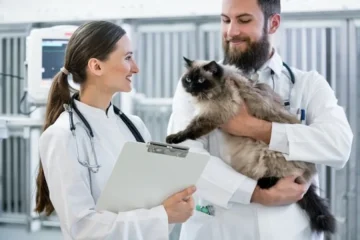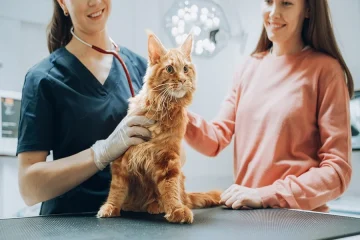
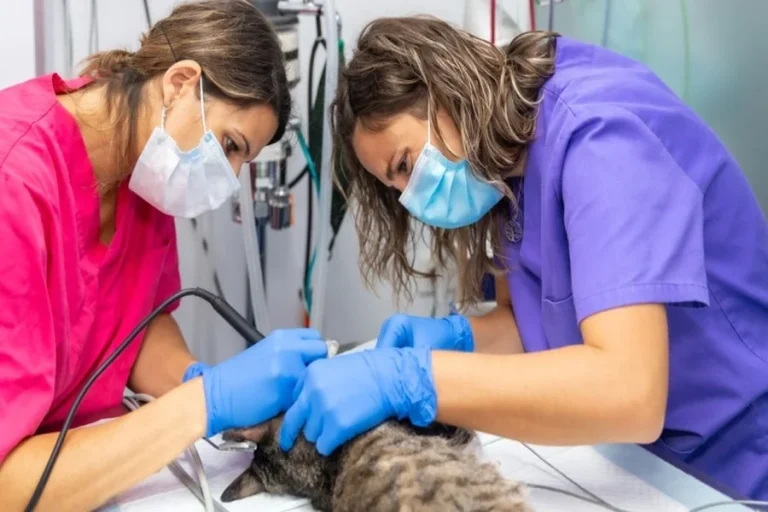
When your pet faces a crisis, you do not have time to wonder if the clinic is ready. You need to know it is ready. Animal hospitals plan for chaos long before it reaches the door. Staff train for sudden illness and trauma. They run drills. They stock supplies. They set clear roles so no one hesitates when seconds count. Every action aims at one goal. Protect your pet and reduce suffering. This planning is not only for large centers. Your local veterinarian in Louisville, KY follows emergency protocols that align with national standards and local risks. That includes weather threats, chemical spills, and disease outbreaks. You may never see this work. Yet it shapes how fast your pet receives oxygen, pain relief, or surgery. When you understand how animal hospitals prepare, you can choose care with less fear and more steady trust.
Clear Emergency Plans For Many Types Of Crises
Animal hospitals build written plans for many threats. You can ask to see a basic copy. A strong plan covers three simple questions. What can go wrong? Who does what? Where does your pet go next?
Common emergencies include:
- Severe injury from cars or falls
- Sudden breathing trouble or heart collapse
- Heat stroke or cold exposure
- Smoke inhalation from house fires
- Poison from drugs, plants, or chemicals
- Storm damage, floods, or tornado events
Each event needs clear steps. Staff practice these steps so they move from memory. There is no guessing. There is only action.
Training That Never Stops
Skill saves lives. Animal hospitals invest in training to keep staff sharp. Law and guidance from groups like state boards and FDA Center for Veterinary Medicine shape this work. Clinics expand on that with local drills.
Teams focus on three training needs.
- Life support. Staff learn CPR for pets, oxygen use, and shock care.
- Rapid triage. Staff sort pets by need so the most unstable get help first.
- Team roles. Each person knows a task. One leads. One handles drugs. One talks with you.
Many hospitals run mock codes. They set up a fake crisis and timed every step. Then they review what went well and what must change. This practice cuts panic. It gives your pet a calm team in a harsh moment.
Stocked Supplies And Ready Equipment
Emergencies need tools within reach. Animal hospitals keep special carts and kits ready at all hours. Staff checks them often. They replace expired drugs. They test machines.
Common emergency tools include:
- Oxygen tanks and masks
- Heart monitors and blood pressure cuffs
- IV pumps and fluids
- Defibrillators for some clinics
- Blood products or quick access to a blood bank
- Emergency drugs for seizures, pain, and shock
Many clinics keep a “crash cart” near main treatment rooms. It holds what the team needs for the first crucial minutes. That cuts wasted steps and lost seconds.
Communication With You During A Crisis
Clear words calm fear. Good hospitals plan how they speak with you during an emergency. They know that you may feel stunned. You may not remember long speeches.
Staff often use three steps.
- Brief update. They explain what is happening in plain words.
- Simple choices. They outline the next one or two options, with likely results and costs.
- Regular follow-up. They update you at set times or after each major change.
Some hospitals use written consent forms for urgent care. Others use short checklists so they do not miss key questions. This structure protects your pet and your voice in the process.
Planning For Disasters And Power Loss
Large storms, fires, and long power loss can threaten every pet in a building. Strong clinics prepare for these events well before sirens sound. Federal guidance from sources such as the CDC pet emergency page helps shape these steps.
Typical plans cover:
- Backup power through generators
- Safe storage of cold drugs and vaccines
- Evacuation routes for pets and staff
- Paper records if computers fail
- Contact lists for nearby clinics that can accept transfers
Some hospitals join local emergency coalitions. They share space and supplies during large events. That network gives your pet more chances for safe care when systems are strained.
How Animal Hospitals And Human ERs Compare
Animal hospitals borrow many ideas from human emergency rooms. You may see similar steps when you walk in with a sick pet.
| Feature | Animal Hospital | Human Emergency Room
|
|---|---|---|
| Triage on arrival | Nurse or technician rates pet urgency | Nurse rates patient urgency |
| Life support tools | Oxygen, IV fluids, monitors, crash cart | Oxygen, IV fluids, monitors, crash cart |
| Disaster planning | Evacuation plans for animals and staff | Evacuation plans for people and staff |
| Staff training | Veterinary CPR, emergency drills | Human CPR, emergency drills |
| Family support | Updates from staff, consent talks | Updates from staff, consent talks |
This table shows one truth. Your pet’s emergency care follows tested patterns. It is not guesswork. It is planned.
How You Can Help Your Pet Before You Arrive
You play a key part in your pet’s safety. Simple steps at home can speed care once you reach the clinic.
Prepare three things.
- Emergency contact list. Include your clinic, a 24-hour hospital, and a poison control line.
- Medical summary. Note allergies, past surgeries, and regular drugs.
- Transport plan. Keep a carrier or leash ready and know the fastest route.
You can also ask your clinic what they want you to do in common crises. For example, they may guide you on how to move an injured pet or handle a seizure at home.
Questions To Ask Your Animal Hospital Now
Trust grows from clear answers. You can ask your clinic simple questions before an emergency strikes.
- Do you provide 24-hour care or refer to another hospital at night
- What emergencies do you handle on site
- How do you train staff for crisis events
- What is your plan for power loss or natural disasters
- How will you update me during a life-threatening event
The way staff answer these questions shows how they think in hard moments. Calm, clear replies signal strong planning.
Steady Preparation Gives Your Pet A Better Chance
Emergency scenes feel harsh and fast. Yet behind that rush sits careful planning and steady work. Animal hospitals that train, stock, and plan give your pet a stronger chance to survive and heal. You cannot remove every risk. You can choose a clinic that respects those risks and prepares for them every day. That choice can turn a day of fear into a day of real hope.