Your pet has grown old by your side. You see the gray fur, the slower walk, and the long naps. Aging is natural. It also brings higher risk for pain, disease, and sudden crisis. You cannot stop time. You can lower the harm. Preventive care gives your senior pet more comfort and more good days. It also helps you avoid shocking bills and rushed emergency visits. In this blog, you will learn four specific steps you can start now. Each step is simple. Each step can protect your pet’s heart, joints, teeth, and mind. A veterinarian in Malvern would give the same guidance to any caring owner. You do not need special tools or training. You only need a clear plan and steady follow through. Your pet gave you trust for years. These measures are how you honor that trust.
1. Schedule regular senior wellness exams
Senior pets hide pain. By the time you see clear signs, disease may be far along. Regular exams give you early warning. They also give you a chance to ask hard questions before a crisis.
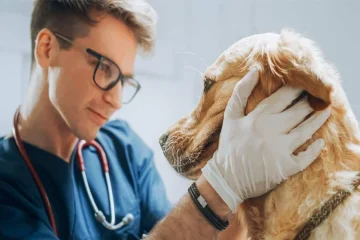
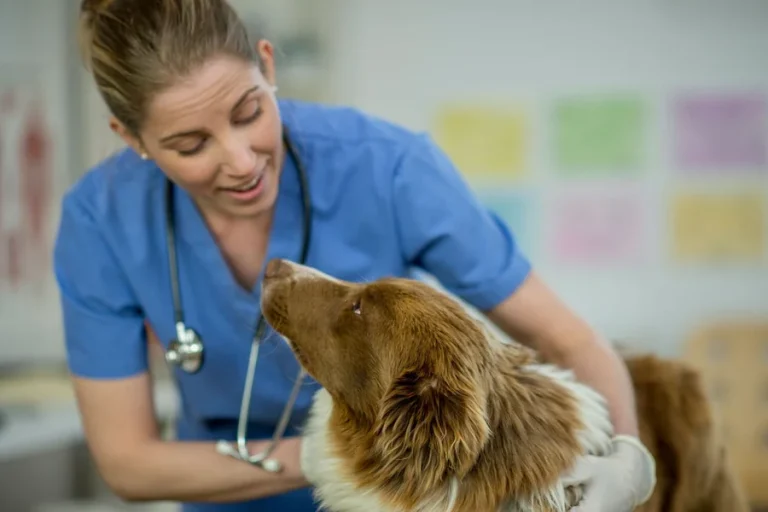
Most veterinarians suggest checkups every 6 months for senior pets. During these visits, your vet will usually
- Listen to the heart and lungs
- Check eyes, ears, mouth, skin, and joints
- Review weight and muscle loss
- Ask about thirst, bathroom habits, and behavior
- Order blood and urine tests when needed
The American Veterinary Medical Association explains why senior pets need more frequent exams and lab tests.
These visits cost money. Yet they often save money by catching kidney disease, diabetes, heart disease, or cancer before an emergency visit is needed.
2. Use diet and weight control as daily medicine
Food is one of the strongest tools you have. Extra weight puts strain on joints, heart, and lungs. It also raises risk for diabetes and some cancers. Even small weight loss can bring real relief.
Work with your vet to choose a senior diet that fits your pet’s needs. You may need
- Lower calories to reduce extra weight
- Higher protein to protect muscle
- Controlled phosphorus for kidney support
- Specific formulas for heart or joint disease
The American Animal Hospital Association and other groups support “body condition scoring” to judge pet weight. The process is similar to the guidance in this resource CDC Healthy Weight Assessment. You feel ribs, look at the waist from above, and look from the side. You do not need fancy tools. You only need honest eyes and steady habits.
Set three clear habits
- Measure all food with a cup, not by sight
- Limit treats to no more than 10 percent of daily calories
- Weigh your pet every month and write it down
Small daily choices shape your pet’s strength more than any single treatment.
3. Protect joints, teeth, and movement
Senior pets often face arthritis and dental disease. These do not just cause pain. They also change how your pet eats, sleeps, and moves. Pain can show as “slowing down” or “getting grumpy.”
For joints, your vet may suggest
- Low impact exercise such as short walks or gentle play
- Joint supplements with omega 3 fatty acids
- Pain control medicines when needed
- Supportive beds and non slip rugs in the home
For teeth, your vet may suggest
- Regular dental cleanings under safe anesthesia
- Daily tooth brushing with pet safe toothpaste
- Dental diets or chews that are approved by your vet
Untreated dental disease can spread bacteria through the blood. This can harm the heart, liver, and kidneys. Routine care is more effective after treatment. It keeps small problems from turning into infections or broken teeth.
4. Watch behavior, senses, and daily comfort
Senior pets can lose hearing, sight, and memory. They may pace at night, forget house training, or seem distant. These changes can feel crushing. They also give you clues about pain, anxiety, or brain changes kaiyo.
Pay close attention to three things
- Sleep and wake cycles
- Bathroom habits
- Interest in people, food, and play
Write down changes and share them with your vet. You may hear terms like “cognitive dysfunction” which is similar to dementia in people. Treatment might include
- Simple routines at the same time each day
- More light at night to help a pet with poor vision
- Safe puzzles or scent games to keep the mind active
- Medicines or supplements when behavior changes are severe
Behavior changes are not “just old age.” They are signals. When you act on them, you give your pet more peace.
Quick comparison of key preventive steps
| Measure | How often | Main benefit | Warning sign if skipped
|
|---|---|---|---|
| Senior wellness exam | Every 6 months | Early detection of disease | Sudden crisis and emergency visits |
| Weight check and diet review | Monthly at home. Yearly with vet | Less strain on joints and organs | Obesity, breathing trouble, diabetes |
| Dental care and cleanings | Daily home care. Cleanings as vet advises | Less pain. Lower infection risk | Bad breath, loose teeth, face swelling |
| Behavior and mobility check | Every day at home | Better comfort and safety | Falls, house soiling, nighttime distress |
Bringing it all together for your senior pet
Senior care can feel heavy. You may fear bad news or hard choices. You are not alone in that fear. You also have power. When you use these four measures together, you give your pet more calm days and fewer frantic nights.
Start with one step this week. Book a wellness exam. Measure the food. Check the teeth. Watch one behavior change and write it down. Then share what you see with your veterinarian. Steady action, not perfection, is what protects your pet.
Your pet stayed by you through moves, losses, and long days. Thoughtful preventive care is how you stay by your pet now.