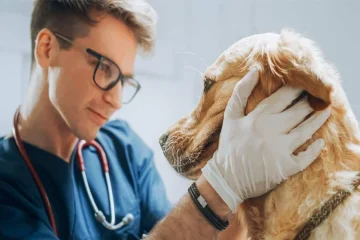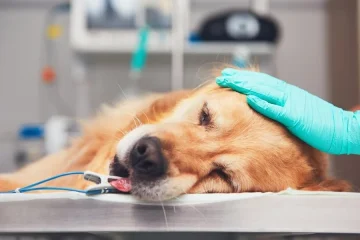
Your pet depends on you for safety, comfort, and a steady routine. Regular wellness visits at animal hospitals protect that bond. You may only notice problems when your pet limps, cries, or stops eating. By then, the problem can be severe. Routine exams catch quiet changes early, when treatment is easier and less costly. During a wellness visit, the veterinarian checks weight, teeth, skin, heart, and behavior. You also get clear answers about food, exercise, vaccines, and aging. That guidance helps you prevent sickness instead of reacting to it. Each visit builds a record of your pet’s health. That record helps your veterinarian act fast when something is wrong. If you see a veterinarian in Waverley, NS, or anywhere else, regular checkups give your pet a better chance at a long and steady life.
What Happens During a Wellness Visit
A wellness visit is a full check of your pet from nose to tail. It is calm, careful, and focused on prevention. You stay involved and can ask questions at each step.
Most visits include three parts.
- History and questions
- Physical exam
- Tests and vaccines when needed
First, the veterinarian or technician asks about eating, drinking, bathroom habits, sleep, and activity. You share any changes you see. Even small changes help reveal early disease.
Next, the veterinarian examines your pet. The exam usually covers three key checks.
- Eyes, ears, mouth, and teeth
- Heart, lungs, and abdomen
- Skin, coat, joints, and body condition
Finally, the veterinarian may suggest tests. Common tests are blood work, urine tests, and stool tests. These can uncover kidney disease, liver disease, diabetes, and parasites before your pet looks sick. The American Veterinary Medical Association explains that yearly exams are one of the strongest tools to prevent pain and early death.
How Often Your Pet Should Go
Visit timing depends on age and health. Yet every pet needs regular care. The rule of three helps you remember basic needs.
- Three life stages
- Three simple goals for each stage
- Three main visit types
| Life Stage | Typical Visit Frequency | Main Goals
|
|---|---|---|
| Puppy or Kitten | Every 3 to 4 weeks until about 16 weeks old | Vaccines, parasite control, growth checks |
| Adult | Once every 12 months | Screening tests, weight control, behavior support |
| Senior | Every 6 months | Early detection of arthritis, organ disease, cancer |
The Centers for Disease Control and Prevention also reminds pet owners that regular care protects human health. Parasites and some infections pass between pets and people. Preventive visits reduce that risk and protect your home.
Why Early Detection Changes Everything
Many pet diseases start in silence. There is no limp, no cry, no sudden refusal to eat. Instead, there are small signs such as slower walks or extra water in the bowl. Regular wellness visits give the veterinarian a chance to catch those signs.
Early detection supports three outcomes.
- Less pain for your pet
- Lower treatment costs for your family
- More options when disease appears
For example, gum disease can start with mild redness on the gum line. You might not see it. During a wellness exam, the veterinarian can spot it and plan cleaning. That step can prevent tooth loss and severe infection later.
The same pattern holds for heart disease, kidney disease, and some cancers. Blood tests and exams can reveal changes before a crisis. You avoid late-night emergency visits when your pet cannot breathe or stand. You gain time to choose the right path.
Preventive Care That Comes With Each Visit
Wellness visits do more than find disease. They build a simple shield around your pet’s daily life. Each visit supports three protective steps.
- Vaccines and parasite prevention
- Nutrition and weight control
- Behavior and stress support
Vaccines protect against rabies, parvo, distemper, and other deadly infections. Parasite control prevents fleas, ticks, heartworm, and intestinal worms. These threats cause itch, anemia, organ failure, and even death. They also raise the risk for your family.
Nutrition talks help you choose food, portions, and treats. Even a few extra pounds strain joints and the heart. Routine checks of body condition and weight give you clear targets. You can adjust early before obesity sets in.
Behavior support matters for quality of life. Changes in mood, sleep, or bathroom habits often signal pain or fear. Talking about these during a visit can reveal hidden disease or stress at home. Small changes to routine can ease that burden.
Cost, Time, and Long Term Savings
Many families worry about cost. That concern is real. Yet skipping wellness visits often leads to higher bills later. A short yearly visit can prevent a long hospital stay.
| Type of Care | Typical Timing | Impact on Your Pet | Impact on Costs
|
|---|---|---|---|
| Wellness Visit with Basic Tests | Planned once a year | Finds quiet disease early | Lower and more predictable |
| Emergency Visit for Crisis | Unplanned and urgent | Often after severe pain or collapse | Higher and sudden |
| Dental Cleaning with Early Care | Scheduled before heavy tartar | Protects teeth and heart | Moderate and planned |
| Advanced Dental Surgery | After years without care | Tooth loss and infection | High and stressful |
Time is another concern. Appointments take planning. Yet each visit gives you clear steps for the next year. You leave with a schedule for vaccines, tests, and refills. That structure reduces surprise and worry.
How You Can Prepare For Each Visit
You can strengthen each wellness visit by preparing at home. Three simple actions help.
- Track changes in eating, drinking, and bathroom habits
- Write down questions about behavior, food, or pain
- Bring records of any care from other clinics
Also, bring photos or short videos if your pet shows odd behavior at home. Limping, coughing, or strange breathing may not appear in the clinic. Clear examples help the veterinarian understand what your pet faces each day.
Care for your pet is a shared effort. Regular wellness visits at animal hospitals keep that effort steady. They protect your pet’s comfort, your family’s peace of mind, and the quiet trust you share every day.