
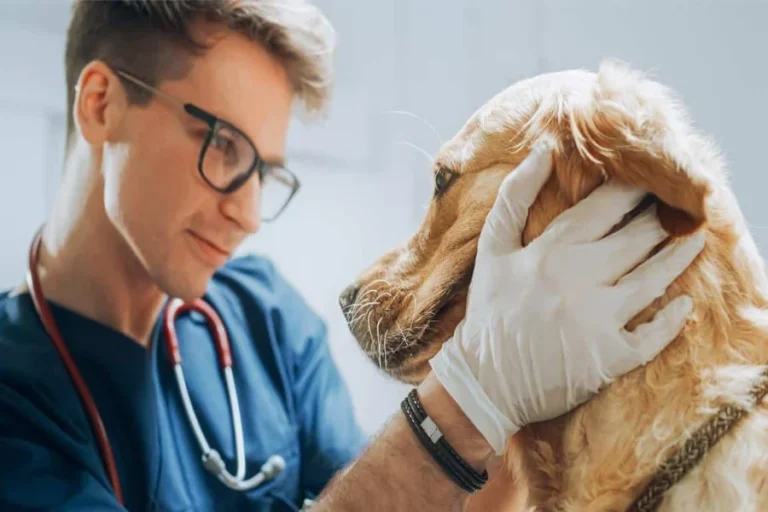
When your pet faces a serious health problem, you should not have to guess who is in charge. Your family vet leads the way. For complex care, that vet often teams up with specialists who focus on one body system or one type of disease. You may work with a cardiologist, surgeon, or cancer doctor. Each one brings deep skill. Your regular vet knows your pet’s full story. Together they share test results, treatment plans, and updates. This joint effort gives your pet a stronger chance at comfort and more time with you. If you see a specialist, your vet does not step aside. Instead your vet acts like a steady guide. Whether you visit a big city hospital or a local veterinarian in Markham, this partnership can reduce your stress, protect your money, and give your pet careful, coordinated care.
Why Your Family Vet Stays in Charge
Your family vet knows your pet’s history. That record includes past injuries, old test results, and small behavior shifts that you may not notice. This long view matters when choices feel heavy.
Your vet usually:
- Confirms that your pet needs a specialist
- Chooses which type of specialist fits the problem
- Shares records, lab work, and images before the visit
- Explains the plan in plain language after each step
This structure keeps you from feeling lost. You do not have to manage many doctors on your own. You work with one main vet who steers the team.
Which Specialists May Join the Team
Veterinary specialists complete extra years of study and training. They focus on one group of problems. According to the American College of Veterinary Internal Medicine, specialists train in strict programs and pass board exams before they treat patients on their own.
Your vet may refer you to specialists such as:
- Cardiologist. Handles heart and blood vessel disease
- Oncologist. Treats cancer
- Surgeon. Manages complex or planned surgery
- Neurologist. Works with brain, spine, and nerve problems
- Ophthalmologist. Treats eye disease and injury
- Dermatologist. Manages stubborn skin and ear disease
- Critical care doctor. Treats life threatening crises
You do not have to decide which specialist to see. Your family vet guides that choice based on exam findings and test results.
How Information Flows Between Your Vet and the Specialist
Strong communication keeps complex care safe. It also protects your time and money. Your vet and the specialist usually agree on three steps.
Before the visit
- Your vet sends records, lab work, and imaging
- The specialist reviews the case and may request more tests
- You receive clear instructions for fasting, medication, or drop off
During the visit
- The specialist examines your pet and may repeat key tests
- They discuss options with you and document each choice
- They contact your vet if urgent changes are needed
After the visit
- The specialist sends a report with diagnosis, plan, and follow up
- Your vet reviews the report and explains next steps with you
- Your vet handles routine checks and refills when safe
This loop prevents mixed messages. It also lowers the risk of drug conflicts or repeated tests.
Who Does What: A Simple Comparison
| Task | Your Family Vet | Specialist
|
|---|---|---|
| Understands full health history | Yes | Only what your vet sends and what you share |
| Handles routine checkups and vaccines | Yes | No |
| Performs advanced tests such as MRI | Sometimes | Often |
| Plans complex surgery | Refers and supports | Leads surgery and immediate recovery |
| Explains options over time | Ongoing | Mainly at consult and key follow ups |
| Manages long term treatment | Yes for stable patients | Yes for hard or unstable cases |
How This Team Approach Helps Your Pet
When your vet and a specialist work together, your pet gains three clear benefits.
First, faster answers
Specialists use tools and methods that many general clinics do not have. That speed can shorten pain and bring you clear news sooner.
Second, safer treatment
The team checks drug doses, organ function, and past reactions. They look for conflicts that one person might miss. That watchfulness protects fragile pets.
Third, steadier support
Your vet stays with you before, during, and after specialist care. You do not have to retell painful stories at each visit. This stable support can ease fear when you face hard choices.
How You Can Support the Care Team
You play a strong role in this partnership. You know your pet best. Your words help your vet and the specialist see patterns that tests do not show.
You can:
- Keep a simple symptom diary with dates, times, and changes
- Bring all medicine bottles and supplements to each visit
- Ask for written plans and dosing charts
- Share your budget limits early so the team can set steps
- Follow home care instructions and ask if anything feels unclear
The American Veterinary Medical Association offers guidance for pet owners on working with vets and specialists. You can use that resource to prepare questions before your visit.
What To Expect Emotionally and Financially
Complex care can shake your sense of control. You may feel fear, guilt, or anger. These reactions are common. You are not alone.
You can expect:
- Hard choices about tests, surgery, or comfort care
- Higher costs than a normal visit
- More time for travel and checkups
To cope, you can ask your vet:
- Which steps are urgent and which can wait
- What outcome they expect with and without each option
- Whether payment plans or pet insurance claims are possible
Clear answers help you act with less regret. Your vet and the specialist share the goal of easing pain and guarding your bond with your pet.
When To Ask About a Specialist
You do not need to wait for your vet to bring up a referral. You can ask direct questions when:
- A problem keeps coming back after many visits
- Your pet needs surgery that feels risky
- Your pet has cancer, seizures, or heart disease
- You feel unsure that you understand the diagnosis
You can say, “Would a specialist help here” or “If this were your pet, would you ask for a referral.” Honest vets respect these questions and answer with care.
Closing Thoughts
Complex medical problems do not have to mean chaos. Your family vet stays at the center and brings in specialists when your pet needs extra skill. This shared care model gives your pet a stronger chance at comfort and gives you clearer guidance through a hard season. With one trusted vet, the right specialist, and your steady love, your pet does not face that fight alone.