You expect quick care for your pet. You also face work, traffic, and money stress. That is why more animal clinics now use telemedicine. You can talk with a licensed vet on your phone or computer. You can share photos, videos, and questions from your couch. This simple shift eases pressure on crowded clinics. It also gives you faster answers when your pet limps, vomits, or acts strange at night. Many clinics use telemedicine to handle follow up visits, medication checks, and behavior concerns. Even an animal hospital in Clearwater, FL can guide you through a video call before an in person visit. You save time. Your pet avoids a scary waiting room. Your vet sees problems early and gives clear next steps. This change is not a trend. It is a new standard for pet care.
What Telemedicine For Pets Really Means
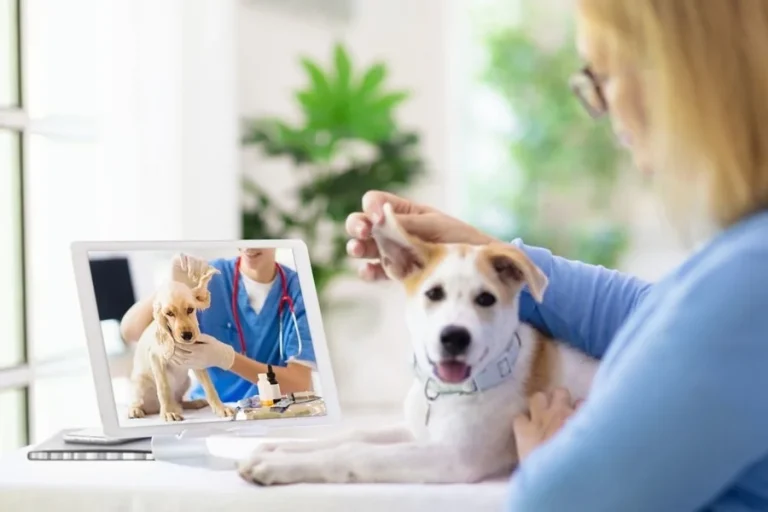
Telemedicine for pets is simple. You connect with your vet through phone, video, or a secure app. You share what you see and what you fear. Your vet listens, looks, and gives guidance.
Many states already allow vets to use telemedicine once they have an existing relationship with your pet. The American Veterinary Medical Association explains these rules and supports careful use of telehealth for animals.
Telemedicine does not replace all visits. It supports them. You still need in person exams for vaccines, surgery, and many tests. You use telemedicine to fill the gaps between visits.
Why Clinics Are Expanding Telemedicine
Clinics expand telemedicine because your needs changed. Your schedule is tight. Your expectations are sharp. You want clear answers fast. You also want safe care for your pet.
Three main reasons drive this change.
- Access. You reach a vet even if you live far from a clinic or lack transport.
- Speed. You get same day or next day guidance for many concerns.
- Safety. You limit contact in crowded waiting rooms during outbreaks of disease.
During the COVID 19 public health emergency, telehealth use for people jumped. Federal data from the Centers for Disease Control and Prevention (CDC) showed a large rise in telehealth visits for human care. Many animal clinics learned from that shift. They saw that remote care can work for many problems.
Common Problems Telemedicine Can Handle
Telemedicine works best for certain types of problems. You can often use it when your pet has issues that are easy to see or describe.
- Skin issues such as rashes, hair loss, or mild itching
- Mild stomach upset without heavy bleeding or collapse
- Behavior changes such as fear, pacing, or house soiling
- Chronic disease check ins for arthritis or allergies
- Medication refills and follow up questions
- Post surgery check ups when you send photos of the incision
Your vet can often tell you if you can safely monitor at home. Your vet can also say when you must come in right away.
When You Still Need An In Person Visit
Some signs always need hands on care. In these moments you should skip telemedicine and go straight to urgent or emergency care.
- Hard breathing or choking
- Uncontrolled bleeding
- Seizures
- Sudden collapse or cannot stand
- Hit by a car or serious trauma
- Poison exposure
Telemedicine plays a strong support role. It does not replace emergency care. It does not replace a full exam for a new serious concern.
How Telemedicine Helps You And Your Pet
You feel the benefit of telemedicine in three clear ways.
- Time. You avoid travel, waiting, and rearranged work shifts.
- Money. You may pay less for a brief telehealth consult than a full in person visit.
- Comfort. Your pet stays calm at home instead of shaking in a crowded room.
Many families also feel more free to ask questions in a video call. You can have your pet, your partner, and your notes in front of you. You can walk your vet through your home setup, your yard, and food storage. That helps your vet see risks that a clinic exam might miss.
What Clinics Gain From Telemedicine
Clinics also gain from this change. That helps them stay open for your pet.
- They can spread out urgent visits and reduce crowding.
- They can keep closer watch on pets with long term conditions.
- They can support you after surgery without repeat in person checks.
This steady follow up cuts the chance that a small issue turns into a crisis. That protects your pet and your budget.
Telemedicine Versus In Person Visits
You can use this simple comparison to decide which type of visit to ask for when you call your clinic.
| Type of visit | Best for | What the vet can do
|
|---|---|---|
| Telemedicine visit | Follow up questions Mild skin or stomach issues Behavior concerns Medication checks | Review photos and videos Adjust some medications Give home care plans Decide if in person visit is needed |
| In person clinic visit | New serious issues Vaccines and routine exams Lab tests and imaging Surgery and procedures | Full physical exam Blood work and x rays Give vaccines Perform surgery or dental work |
How To Prepare For A Telemedicine Visit
You can make a telemedicine visit smooth with a few small steps.
- Write down your pet’s symptoms, when they started, and what changed.
- Take clear photos or short videos of the problem.
- Weigh your pet if you can and have that number ready.
- Gather all medications, treats, and foods your pet gets.
- Choose a quiet room with good light and a steady internet signal.
During the visit, stay honest and specific. Say what you can manage at home and what you cannot. Ask your vet to repeat the plan in simple steps.
What To Ask Your Clinic About Telemedicine
Every clinic sets its own telemedicine rules. When you call, ask three clear questions.
- Which types of problems do you handle by telemedicine.
- How do you charge for phone or video visits.
- How you share photos, videos, and records securely.
You can also ask if the clinic uses a special app. Many clinics use tools that protect your privacy and keep records linked to your pet’s chart.
The Future Of Pet Care At Home
Telemedicine will keep growing in animal care. You will see more mixed models that blend home care, clinic care, and remote check ins. You will likely see more texting options, more secure photo sharing, and clearer online portals for lab results.
You do not need to wait for large changes. You can start now. Ask your clinic how to use telemedicine for your pet. Use it for the right problems. Keep in person visits for hands on needs. That balance gives your pet safer care and gives you more control in hard moments.