
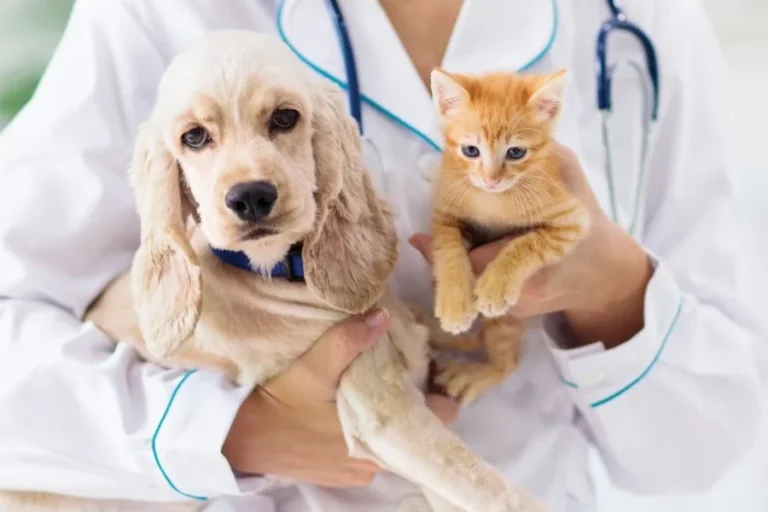
Spay and neuter services protect pets, people, and neighborhoods. When you choose this care, you lower the number of unwanted litters. You also reduce the chance of roaming, fighting, and noise that can strain a community. Many common health problems start quietly. Early spay and neuter surgery cuts the risk of certain cancers and infections before they grow. That means fewer emergencies and less pain for your pet. It also means fewer hard choices for you. Local clinics and public programs work together to offer safe options, including low-cost support. Through veterinary services in Brandon, FL, you can find clear guidance about the right age for surgery, how to prepare, and what to expect after. You do not need to wait for a crisis. You can plan this step, protect your pet, and help keep your community calm and healthy.
How spaying and neutering protect your pet
Spaying and neutering surgery removes organs that often cause disease later in life. This single choice can guard your pet in three key ways.
- Lower cancer risk. Spayed females have a much lower rate of mammary tumors and uterine cancer. Neutered males have a lower rate of testicular cancer.
- Fewer infections. Female pets can develop a severe uterine infection called pyometra. Spaying surgery removes that risk.
- Less roaming and injury. Neutered males are less likely to wander, fight, or get hit by cars.
These changes are quiet but powerful. You may not see the danger, yet the risk is real. Spaying and neutering surgery gives your pet a stronger chance at a long and steady life.
How your choice helps your whole community
Every unplanned litter adds stress to shelters and rescue groups. Many pets do not find homes. Some end up living outside. That can strain your neighborhood.
When more pets are fixed, your community gains three clear benefits.
- Fewer stray dogs and cats on streets and in parks.
- Less barking, yowling, and fighting during mating season.
- Lower bite risk and fewer reports of aggressive behavior.
The Centers for Disease Control and Prevention explains that healthy pets support healthy people. Spaying and neutering surgery is one strong way to cut disease spread from stray animals and lower the strain on local health and safety services.
Behavior changes you can expect
Many families fear that spaying or neutering surgery will change a pet’s spirit. In truth, the surgery does not change personality. It only eases hormone-driven behavior that can cause harm.
You often see:
- Less urine marking in the house.
- Lower urge to roam out the door or yard.
- Fewer fights with other pets.
Your pet still plays, learns, and bonds with you. The difference is that your home feels calmer and safer.
Health and community impact comparison
| Outcome | Spayed or neutered pet | Not spayed or neutered pet
|
|---|---|---|
| Risk of certain cancers | Lower risk over life | Higher risk, more emergency visits |
| Unwanted litters | No heat cycles or surprise litters | Repeated litters, more pets in shelters |
| Roaming and fighting | Reduced roaming and fewer fights | More roaming, fights, and injuries |
| Noise in neighborhood | Less mating calls and barking | More yowling, barking, and stress |
| Cost over time | One planned surgery and routine care | Higher odds of emergency surgery and long treatment |
When to schedule spay or neuter surgery
The best time for surgery depends on your pet’s species, size, and health. A trusted clinic can guide you. In general, you should talk with a veterinarian during the first few puppy or kitten visits.
You can ask three key questions.
- What age do you recommend for my pet?
- What blood tests or exams do you need before surgery?
- How long will my pet need to rest at home?
The American Veterinary Medical Association shares clear guidance on timing, safety, and recovery. You can use that information to shape your questions and feel prepared.
How to prepare your home and family
Spay and neuter surgery is routine, yet it is still surgery. You can help by setting up your home and family before the appointment.
- Plan a quiet room with a clean bed or crate.
- Set aside a few days with lighter family activity.
- Explain to children that the pet needs gentle care and space.
Your clinic will give you clear feeding and medication steps. Follow them closely. Keep your pet from running, jumping, or licking the incision. Short, calm walks on a leash are often enough during the first days.
Finding services and support
Many communities offer low-cost spay and neuter programs through shelters, public clinics, and partners. You can contact your local animal control office or humane society and ask for current programs. You can also ask your regular clinic about payment plans or support funds.
When you use these services, you help your pet and also support public health goals. Each surgery lowers the number of pets who may end up homeless or sick. That means less strain on shelters and on families who care deeply but feel stretched.
Taking your next step
If your pet is not yet spayed or neutered, now is the time to act. Call a trusted clinic. Ask your questions. Set a date. This one decision can spare your pet from pain, prevent unwanted litters, and bring more peace to your home and neighborhood.
Your choice carries weight. You protect your pet. You protect your community. You show care that reaches far beyond your own front door.