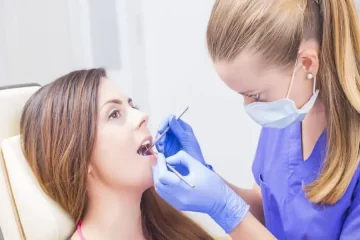
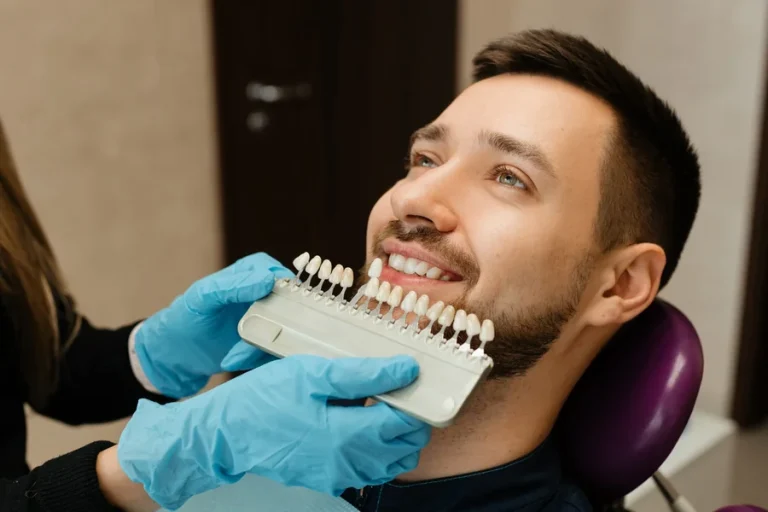
The landscape of Australian oral healthcare has undergone a significant transformation, moving away from mass-produced solutions toward a model defined by precision, longevity, and biocompatibility. In the realm of restorative dentistry, the dental crown remains the gold standard for preserving compromised teeth. However, the modern Australian patient no longer views a crown as a mere functional patch; it is now regarded as a bespoke piece of medical artistry designed to integrate seamlessly with the natural dentition.
The Standard of Australian Dental Artistry
Choosing premium restorative care in Australia means opting for a level of craftsmanship that exceeds international industrial standards. Local dental technicians and clinicians work in close synergy to ensure that every prosthetic is tailored to the individual’s unique occlusal (bite) pattern and aesthetic requirements. This “Australian-made” philosophy prioritises high-grade materials—such as monolithic zirconia and lithium disilicate—which are celebrated for their ability to mimic the light-reflecting properties of natural tooth enamel while providing the structural integrity required for the heavy forces of mastication.
Precision Engineering and Clinical Expertise
A premium crown is not solely defined by the material used, but by the clinical rigor applied during the preparation and fitting stages. Achieving a perfect “marginal fit”—the seal where the crown meets the gum line—is essential for preventing future decay and periodontal disease. Australian practitioners often utilise high-magnification loupes and digital scanning to ensure these boundaries are flawless.
When patients explore the financial investment required for such high-calibre work, it becomes clear that many factors that increase dental crown cost beyond basic consultation fees are rooted in the quality of the laboratory used and the complexity of the tooth’s structural requirements. This investment reflects the difference between a temporary fix and a long-term restorative solution that can last decades if maintained correctly.
Material Innovation and Biocompatibility
In the past, the “PFM” (porcelain-fused-to-metal) crown was the industry staple. Today, premium Australian clinics have largely transitioned to metal-free restorations. These advanced ceramics eliminate the unsightly “dark line” often seen at the gum margin and remove the risk of metal sensitivities. Furthermore, the wear characteristics of modern Australian-crafted ceramics are engineered to be kind to the opposing natural teeth, preventing the accelerated erosion of enamel that was common with older, more abrasive materials.
The Evolution of Chairside Technology
The marriage of clinical skill and digital innovation has paved the way for more efficient, patient-centered workflows. While traditional laboratory-fabricated crowns remain a pillar of high-end restorative work, the rise of CAD/CAM (Computer-Aided Design and Manufacturing) technology has introduced a new level of convenience without compromising on quality.
By utilizing sophisticated software to map the oral cavity in three dimensions, dentists can now offer restorations that are mathematically precise. This digital leap is widely considered the next chapter of Australian restorative dentistry, providing a glimpse into a future where the barriers between technological speed and artisan quality continue to dissolve. Through these advancements, Australian dentistry remains at the global forefront of patient outcomes and restorative excellence.