
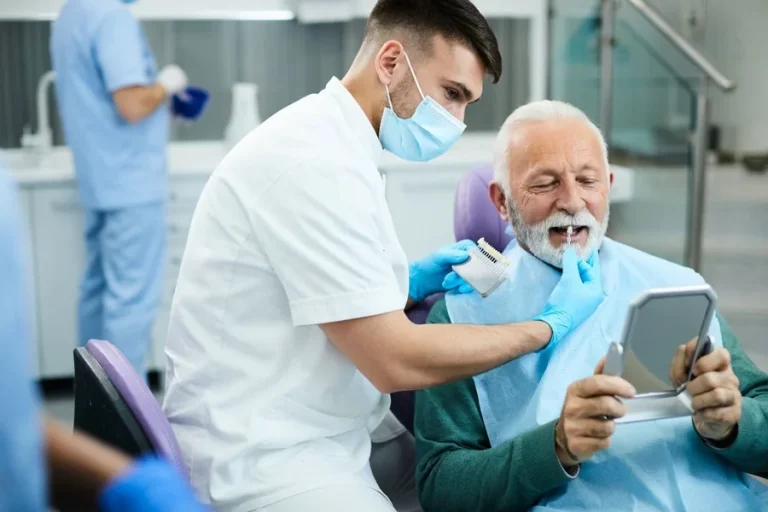
Aging teeth carry quiet risks. Small problems grow into painful infections. Everyday tasks like chewing, smiling, and speaking become hard. You deserve care that stops problems early. Family dentistry gives you that support. It offers regular cleanings, exams, and simple treatments that protect your teeth and gums before damage spreads. It also helps your medical team spot signs of diabetes, heart disease, or dry mouth that affect your mouth. Many seniors ignore warning signs until they feel sharp pain or lose a tooth. By then, treatment costs more and recovery takes longer. A family dentist understands your history and your limits. The office can adjust visits, explain choices in clear terms, and work with your budget. Some practices also offer cosmetic dentistry in Norfolk, MA, which can repair worn teeth and restore your smile, so you feel steady, secure, and heard during every stage of aging.
Why Prevention Matters More As You Age
Teeth do not heal like skin. Once enamel erodes or bone shrinks, you cannot grow it back. Aging also changes saliva, nerves, and your immune system. These changes raise your risk for infection and tooth loss.
Three common shifts affect you:
- Dry mouth from medicines or health conditions
- Thinner enamel that wears and chips
- Slower healing after dental work or illness
The National Institute of Dental and Craniofacial Research reports high rates of decay and gum disease in adults older than 65. Regular preventive visits reduce these problems. They also shorten treatment time when issues appear.
Core Preventive Services In Family Dentistry
A family dentist sees children, adults, and seniors in one place. This long view of your health lets the dentist spot slow changes that others might miss.
Common preventive services include:
- Routine exams to check teeth, gums, tongue, and cheeks
- Professional cleanings to remove plaque and hardened tartar
- Low dose X rays when needed to see bone loss or hidden decay
- Fluoride treatments to strengthen weak enamel
- Simple fillings before decay reaches the nerve
Many seniors feel shame about past neglect. A family dentist focuses on your next step. Not on blame. Each visit builds a clear plan that fits your health and your energy.
How Family Dentistry Protects Overall Health
Your mouth connects to your whole body. Infection in your gums can raise your risk of heart disease and stroke. Painful teeth can cause weight loss and poor nutrition. Bleeding gums can signal diabetes that is not under control.
The Centers for Disease Control and Prevention link poor oral health to serious chronic disease. A family dentist can:
- Watch for signs of diabetes, anemia, or osteoporosis
- Share updates with your doctor when you agree
- Adjust care if you take blood thinners or other strong medicines
This shared approach cuts your risk of emergency room visits and hospital stays from dental infections.
Common Senior Dental Problems And Preventive Solutions
| Problem | What You May Notice | How Prevention Helps
|
|---|---|---|
| Tooth decay | Sharp pain with sweets or cold drinks | Cleanings and fluoride spot soft spots before deep cavities form |
| Gum disease | Bleeding when you brush or bad breath | Regular cleanings remove tartar and reduce infection |
| Tooth wear | Short, flat teeth and jaw soreness | Night guards and bite checks protect enamel |
| Dry mouth | Sticky feeling and trouble swallowing dry food | Saliva friendly products and diet changes lower decay risk |
| Oral cancer | Spots or sores that do not heal | Screenings at each exam catch changes early |
You may feel fine even when gum disease or decay is severe. That is why a schedule of preventive visits is so important.
Support For Dentures, Bridges, And Implants
Many seniors use dentures, bridges, or implants. These tools restore chewing and speech. They also need steady care to work well.
A family dentist can:
- Check the fit of dentures and adjust sore spots
- Clean around bridges and implants to prevent bone loss
- Teach you how to clean devices with simple tools at home
Poor fit can cause rubbing, infection, and trouble eating. Early fixes protect both your mouth and your stomach.
Comfort, Communication, And Access
Many seniors carry fear from painful dental visits long ago. Numbness may not work as well. Joints may ache in the dental chair. Hearing or memory loss can make instructions hard to follow.
A family practice can respond by:
- Using shorter visits with more breaks
- Speaking in plain words and checking your understanding
- Inviting a support person to sit with you when you agree
These steps reduce stress. They also help you keep appointments instead of canceling from fear or confusion.
Simple Habits That Strengthen Dental Visits
Office care works best when you pair it with home habits. You can protect your teeth with three daily steps.
- Brush two times a day with fluoride toothpaste and a soft brush
- Clean between teeth with floss or small brushes once a day
- Drink water often and limit sweet snacks and drinks
Tell your dentist about all medicines and supplements. Some raise bleeding risk. Others dry your mouth or stain your teeth. Regular review keeps your care plan safe.
Taking The Next Step
Preventive family dentistry gives you control. It lowers pain, protects your budget, and supports your heart and mind. Early care is kinder than crisis care. You deserve a mouth that lets you eat, speak, and smile with steady confidence at every age.