
Trauma touches more lives than many realize. Whether it’s rooted in childhood experiences, exposure to violence, grief, loss, or even systemic stressors like poverty or discrimination — trauma often casts long shadows that affect mental health, relationships, and overall quality of life. For too long, behavioral health treatment has focused narrowly on symptoms. But increasingly, clinicians and treatment providers are recognizing that to truly heal, we must address the underlying wounds. Trauma-informed care is rising as a transformative approach to mental health and addiction treatment — one grounded in compassion, understanding, and long-term wellness.
In many parts of the United States, including Georgia, faith-based and spiritually grounded programs are adapting trauma-informed principles to better serve people from diverse backgrounds. These programs are evolving beyond traditional doctrine to meet individuals where they are — honoring both personal history and spiritual beliefs. This shift is helping modernize behavioral health for the better, offering hope, healing, and holistic support.
What Is Trauma-Informed Care — and Why Does It Matter?
At its core, trauma-informed care (TIC) acknowledges that trauma is common and multifaceted. Rather than assuming clients are “clean slates,” TIC starts from the premise that a significant number of people seeking help may be carrying emotional, psychological, or physical wounds — sometimes without full awareness. By recognizing this, practitioners reshape the treatment environment, tone, and interventions.
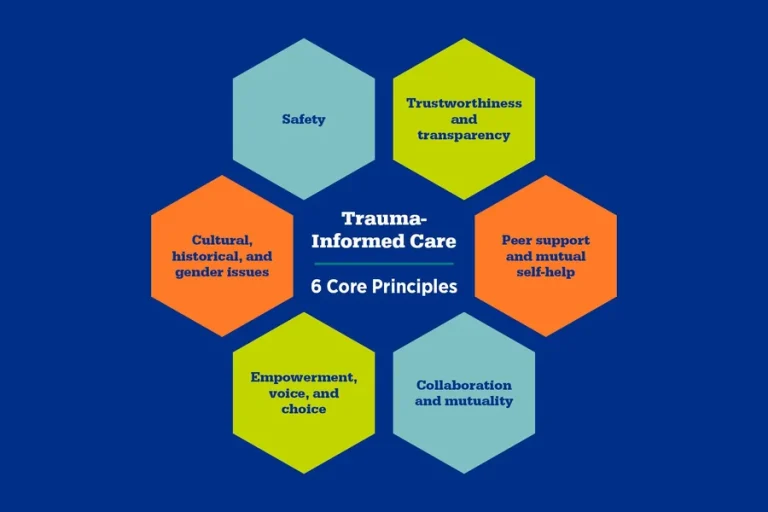
Key principles of trauma-informed care often include:
- Creating safety — physical, emotional, and psychological
- Building trust and transparency
- Supporting choice, autonomy, and empowerment
- Understanding cultural and personal backgrounds
- Fostering connection, empathy, and collaboration
- Prioritizing resilience and long-term recovery
This approach differs from older models of treatment that emphasized compliance, rigid protocols, or symptom suppression. Instead, trauma-informed care seeks to address root causes — helping individuals process trauma, learn coping skills, rebuild self-worth, and reclaim agency over their lives.
How Trauma-Informed Strategies Improve Outcomes
Implementing trauma-informed care leads to powerful benefits — both clinically and personally.
Reducing re-traumatization
Standard treatment settings can inadvertently trigger trauma responses. For instance, group sessions without clear boundaries, highly structured schedules, or judgmental environments can make a person feel powerless or unsafe. Trauma-informed settings aim to minimize these risks by offering flexibility, choice, and respect.
Encouraging deeper healing
When clients feel understood and safe, they’re more likely to open up honestly about their experiences. This openness allows therapists to address not only surface symptoms (like depression or substance use) but also deeper issues like unresolved grief, shame, or chronic anxiety. Healing becomes more comprehensive and sustainable.
Building self-regulation and resilience
Trauma often disrupts a person’s sense of control over their emotions and environment. Trauma-informed programs teach practical skills — mindfulness, grounding exercises, healthy boundaries, emotional literacy — that help individuals regain stability, manage triggers, and navigate stress in healthier ways.
Enhancing client engagement and retention
Clients are more likely to stay in treatment when they feel seen, heard, and respected. Trauma-informed care emphasizes collaboration rather than compliance, empowering individuals to take ownership of their healing journey. This often leads to better engagement, stronger therapeutic alliances, and more durable recovery.
Why Faith-Based and Spiritually Grounded Programs Are Adapting Trauma-Informed Models
Faith-based recovery has long been an important avenue for many seeking behavioral health support. For individuals whose beliefs are central to their identity and healing, spiritual frameworks offer meaning, hope, and community. But as understandings of trauma deepen, purely doctrinal approaches often fall short — especially when trauma intersects with identity, grief, or complex emotional history.
Recognizing this, some faith-based programs are integrating trauma-informed care to better serve their clients’ real needs. This blending does not dilute spirituality; rather, it enriches it by adding psychological awareness, emotional sensitivity, and clinically informed methods.
In Georgia, for example, there are programs rooted in faith traditions that also use trauma-informed principles to address addiction, depression, grief, and other behavioral health concerns. For some, the combination of spiritual support and trauma-conscious therapy forms a stronger foundation for long-term healing.
If you’re seeking this kind of care, you might find value in Christian rehab centers in Georgia — treatment environments where faith and trauma-informed therapeutic practices converge to support holistic recovery.
What Trauma-Informed Faith-Based Care Looks Like in Practice
Trauma-informed faith-based treatment isn’t about replacing traditional therapies — it’s about enriching them with sensitivity, insight, and compassion. Below are some of the common elements:
Individualized assessments and care plans
Rather than applying a one-size-fits-all model, providers take time to understand a person’s life story: trauma history, spiritual background, relationships, and personal goals. Care plans are tailored accordingly, blending therapy, spiritual support, and lifestyle recommendations.
Flexible structure and compassionate pacing
Rigid schedules and inflexible rules can be triggers for individuals with trauma. Trauma-informed faith-based facilities often provide flexible routines, options for quiet reflection or spiritual activities, and room for clients to process their emotions at their own pace.
Therapies that combine psychological and spiritual modalities
Clients may receive traditional therapy (like trauma-focused cognitive-behavioral therapy or EMDR) alongside spiritual support — meditation, prayer, faith-based counseling, or group worship. This dual approach respects both psychological and spiritual facets of healing.
Community support with empathy and understanding
Community is fundamental in faith-based recovery. When combined with trauma-informed care, group sessions and peer support aren’t just about accountability — they become spaces of empathy, safe sharing, and mutual healing. Clients learn that they’re not alone in their struggles, which fosters connection and belonging.
Lifeskills and relapse prevention with trauma awareness
Recovery plans may include social support, employment or vocational assistance, family therapy, and relapse prevention — all informed by an understanding of trauma’s long-term effects. This holistic perspective helps individuals rebuild sustainable, balanced lives.
Why This Approach Matters Now More Than Ever
Modern life — even beyond addiction or clinical mental health issues — exposes many people to trauma: whether through personal loss, community violence, systemic inequality, racism, or the stress of economic hardship. The ripple effects of trauma are vast and often misunderstood.
Adding to this, many who struggle with mental health or substance use do so in silence, fearing judgment, stigma, or that their spiritual beliefs won’t be honored. Trauma-informed care — especially within faith-based contexts — offers a safe path forward. It honors the whole person. It validates pain. It provides science-backed strategies for healing. And it allows individuals to reconnect with their faith, identity, and community in a way that feels genuine and supportive.
In Georgia and beyond, we’re seeing growing demand for behavioral health programs that don’t force people to choose between their spiritual identity and their emotional wellbeing. Instead, these programs integrate both. This reflects a deeper shift: toward care that is compassionate, inclusive, trauma-aware — and capable of meeting people where they are.
Healing Beyond Symptoms: Toward Hope, Restoration, and Resilience
Trauma-informed care is reshaping behavioral health from the inside out. It shifts focus from symptom control to healing. It recognizes that trauma doesn’t just affect behavior — it affects identity, self-worth, relationships, and life trajectory.
When this approach is paired with spiritual and community-based support, it becomes a powerful force for restoration. For individuals dealing with depression, addiction, grief, or other mental health challenges, trauma-informed, faith-grounded care offers a path toward wholeness.
Healing isn’t a single event — it’s a process of rebuilding trust with oneself, learning to navigate emotions, forming healthy relationships, and rediscovering purpose. For many, trauma-informed support provides the foundation for that journey.
As behavioral health continues to evolve, trauma-informed care offers hope — not just for treatment — but for genuine transformation, resilience, and renewed life.